A Significant Shift in the Financial Landscape
When the gates at Roland-Garros open on May 24, the stakes will be higher than ever. Organizers have greenlit a 10% increase in the total prize money pool, pushing the total payout to 61.7 million euros. It is a necessary evolution in a sport that demands everything from its participants; the singles champions—men and women alike—will walk away with 2.8 million euros for their trouble, while those who fight to the final hurdle but fall just short will secure 1.4 million euros.
Listen to the Second Serve Podcast
Get our daily AI-synthesized audio briefings and match reviews on the go.
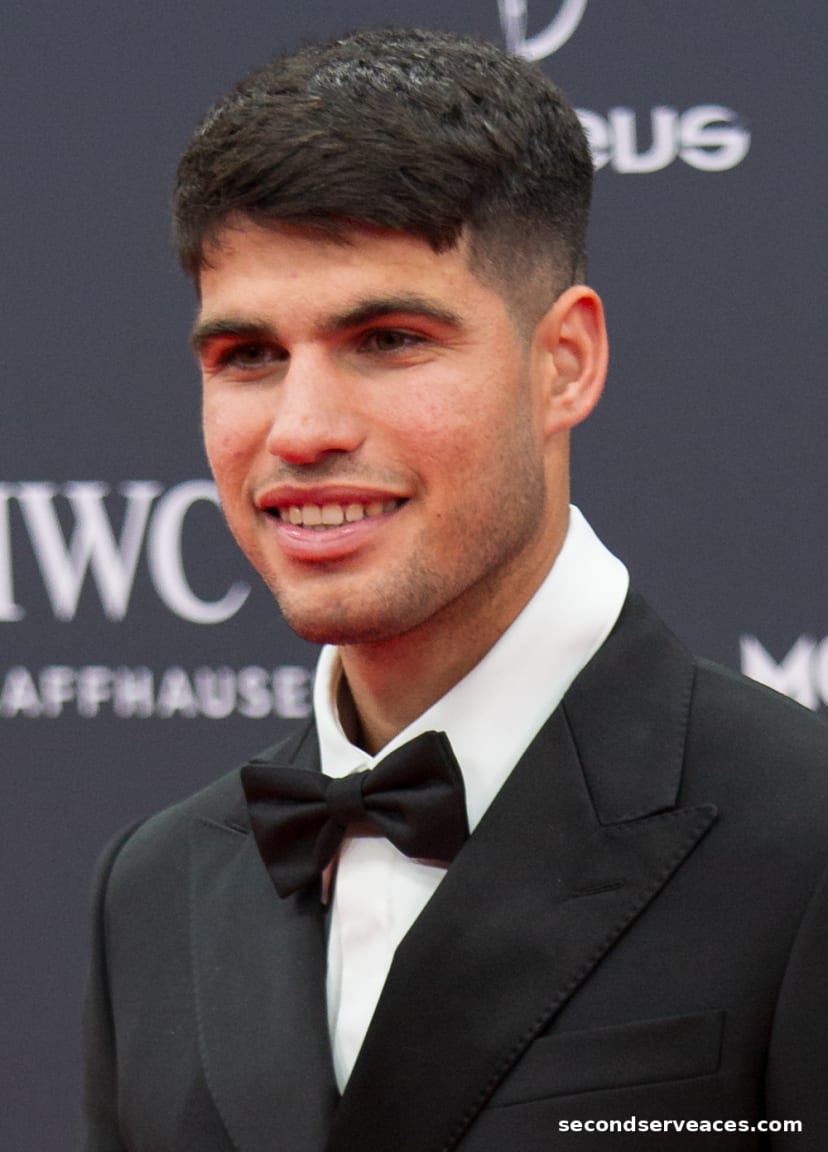
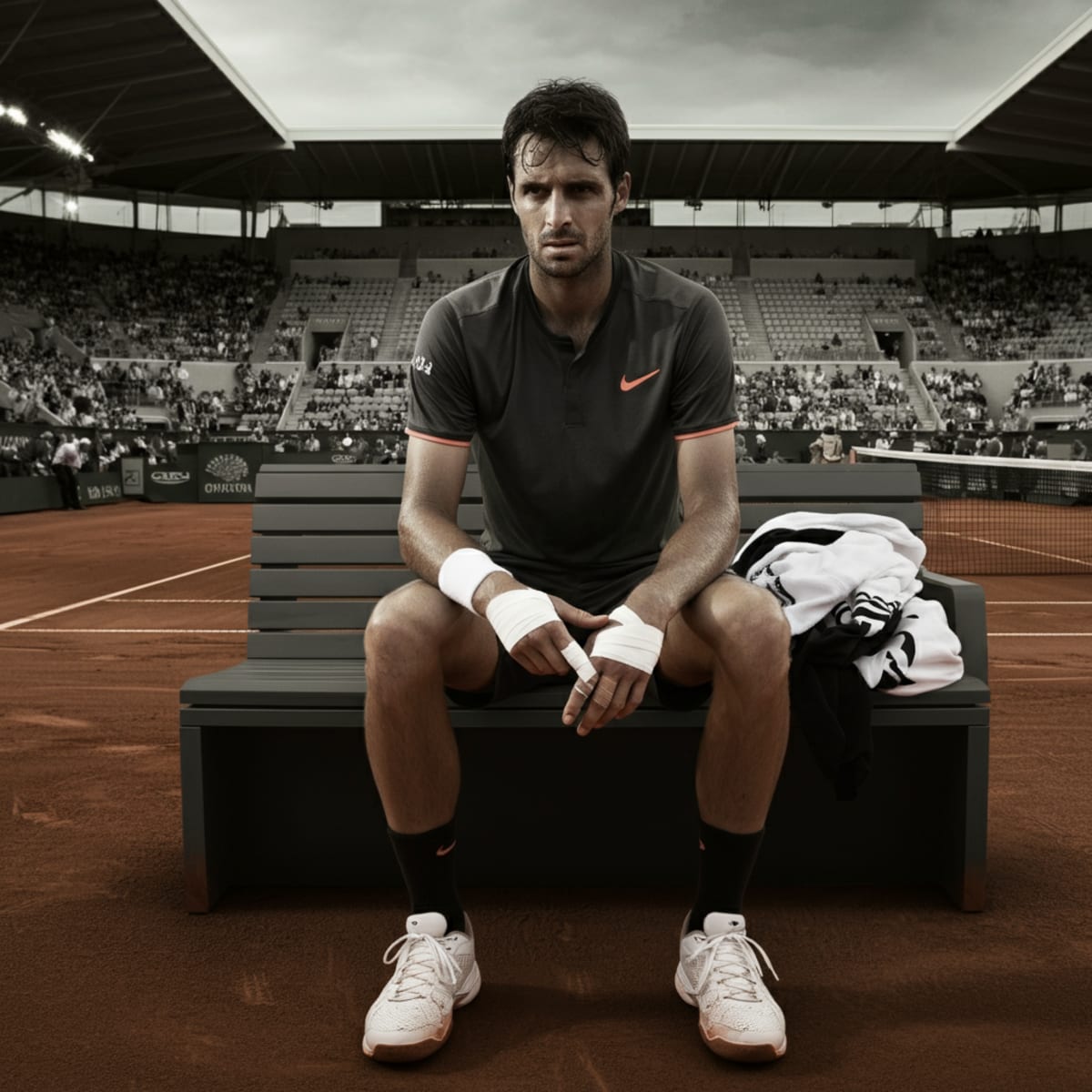
The mental grind of professional tennis is relentless, and this financial injection acknowledges the toll it takes on the body and mind. Whether it's Carlos Alcaraz or Iga Swiatek stepping onto the terre battue, the baseline math remains brutal, but the rewards are finally catching up to the physical tax of two-week major tournaments.
Tradition Holds Ground Amidst Tactical Evolutions
While the prize money moves toward the future, the tournament has opted for a conservative stance on officiating. Despite the industry trend toward automated systems, organizers confirmed that human line judges will remain on court for this edition. It is a choice that keeps the human element—and the inherent friction of the call—at the center of the match momentum.
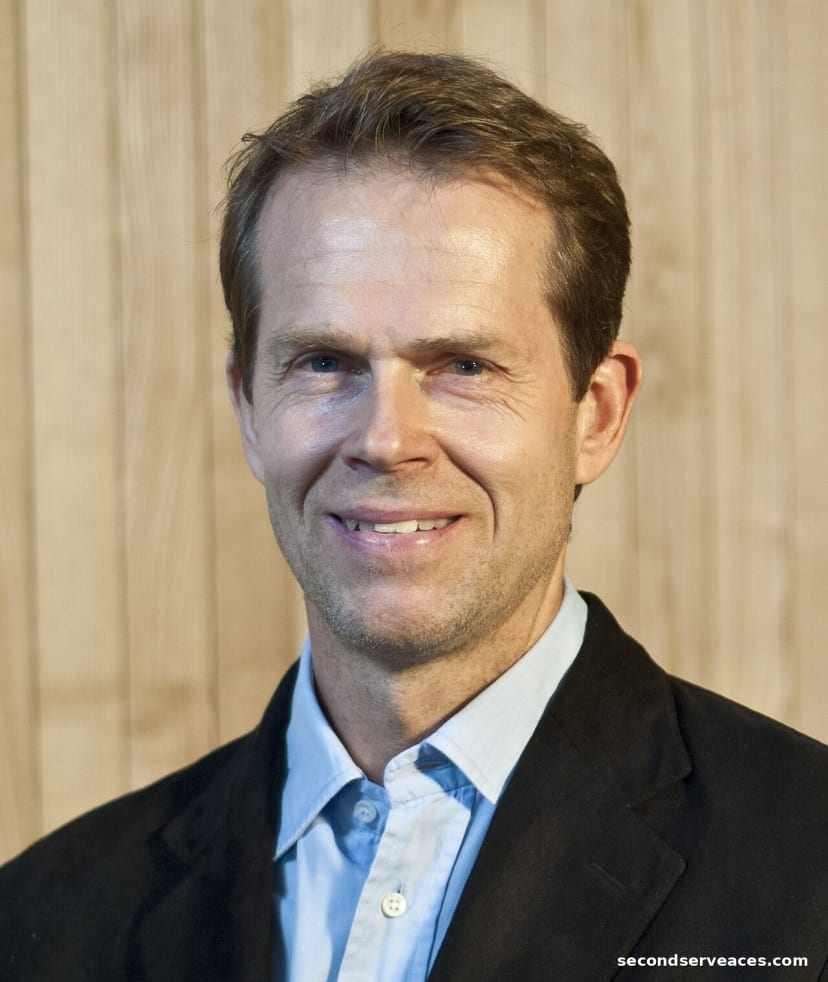
Furthermore, the French Federation is looking toward the horizon, actively exploring the feasibility of women playing best-of-five set matches. It’s a conversation that hits at the very core of physical endurance and historical tradition. As we prepare for the opening Sunday, we also turn our eyes to the exit ramp. The tournament will be a bittersweet affair as it honors the careers of Gaël Monfils and Stan Wawrinka, both of whom have confirmed they are retiring at the end of this season. Their grit and signature flair have defined an era; watching them take the red clay one last time will be a reminder of why we fall in love with this game in the first place.
What Carlos Alcaraz Plays With
Babolat Pure Aero 98
Babolat RPM Blast 1.30
Nike Vapor Pro 2
Analyze Carlos Alcaraz vs. Jannik Sinner
Predict tactical adjustments, momentum swings, and serve strategy options for this match-up using our AI simulator.
The Aces Tactical Panel
This report was curated and edited by Bhaskar Goel. Tactical analysis and technical insights were provided by our specialized panel of expert correspondents.
Julian Price
Senior Tactical Correspondent
Stuffy, pedantic British academic and historian specializing in match momentum and historical context.
Elena Cruz
Director of Analytical Research
Data scientist specializing in court surface physics and movement patterns.
Bhaskar
The Editor & Fan
Passionate tennis player and site editor bringing everyday amateur insights and relatable fan commentary.
Arthur Vance
Senior Existential Analyst
Deep, eccentric, and DFW-inspired. Models court metaphysics, kinetic beauty, and player psychology.
Leo Sterling
High-Performance Consultant
Hard-nosed ex-trainer from Melbourne with a no-nonsense view on tour fitness.