A New Protocol for Data-Driven Performance
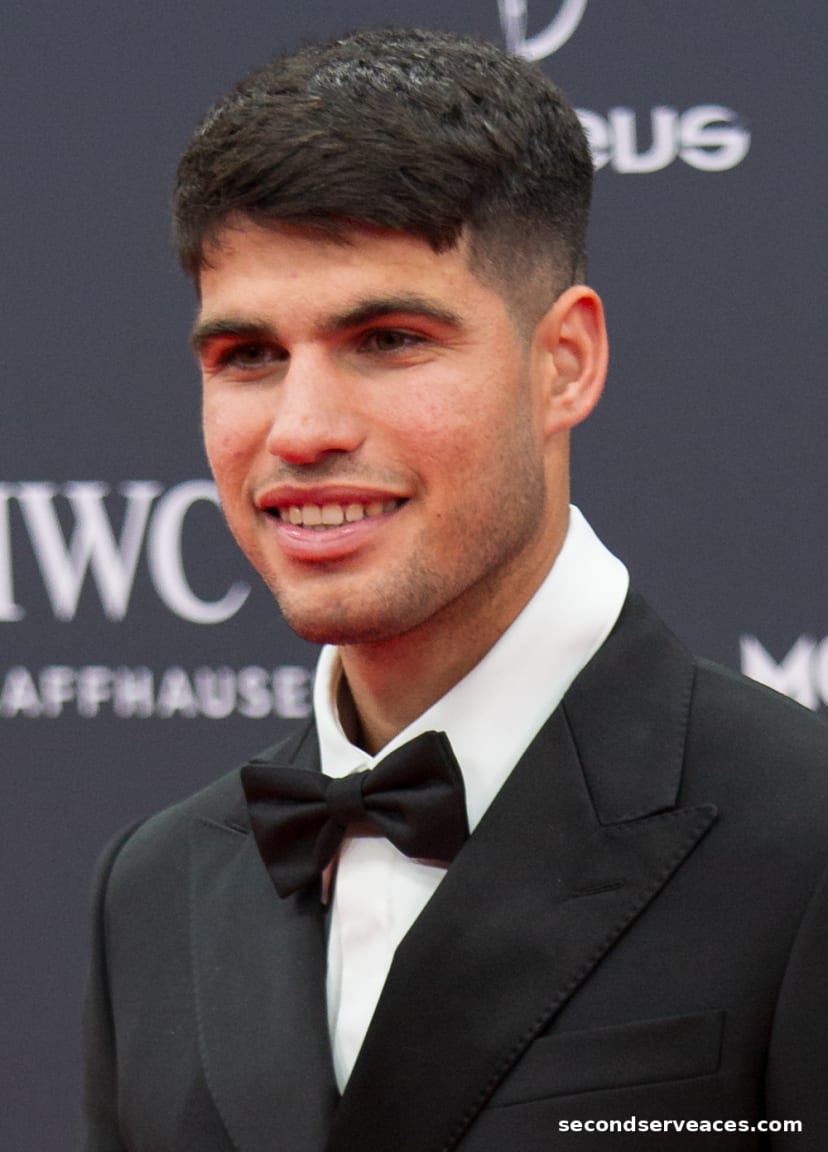
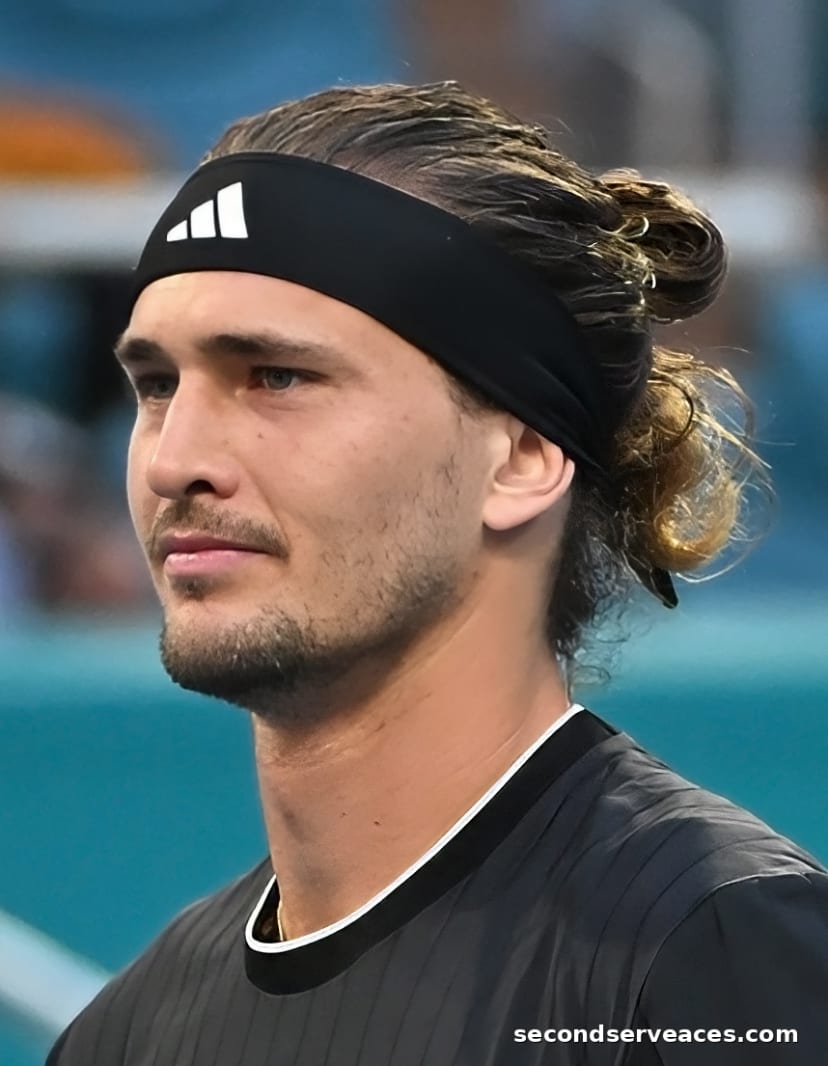
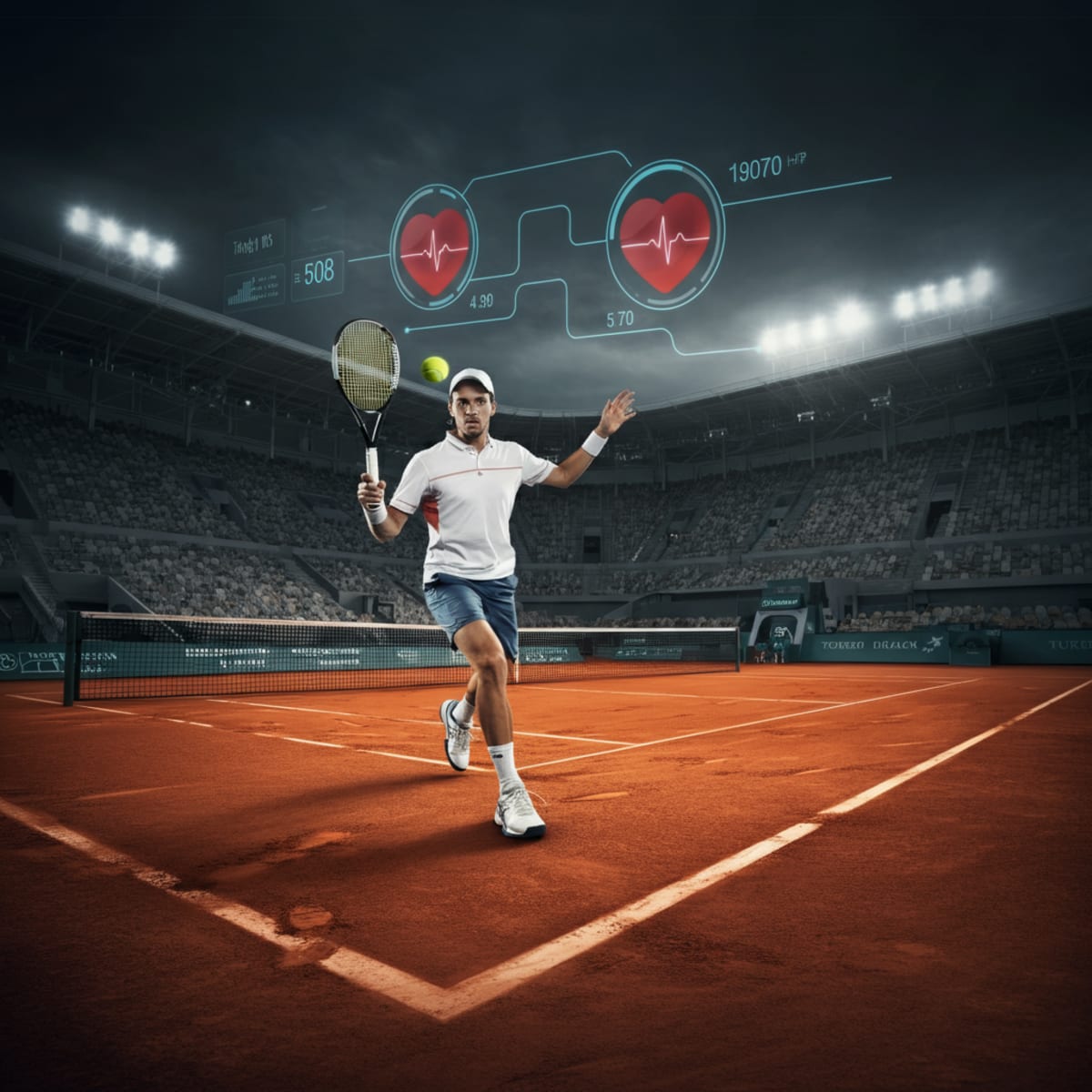
The French Open is taking a measured step toward modernizing match-day analytics by authorizing the use of connected fitness devices on a trial basis. This policy shift directly addresses the friction generated at the Australian Open, where high-profile competitors like Aryna Sabalenka, Carlos Alcaraz, and Jannik Sinner were notably ordered to remove Whoop trackers during their matches. The move acknowledges the increasing demand from athletes to monitor real-time physiological metrics.
Listen to the Second Serve Podcast
Get our daily AI-synthesized audio briefings and match reviews on the go.
Under the new ITF guidelines, players are permitted to wear these devices provided that all haptic feedback mechanisms remain strictly disabled during competition. This regulatory compromise aims to provide granular insights—tracking heart rate, recovery, activity strain, and sleep performance—without compromising the integrity of the match or providing an unfair coaching advantage.
Scaling the Innovation Across the Grand Slam Calendar
This pilot program is not limited to the red clay of Paris. Tournament organizers have confirmed that the initiative is scheduled to expand, with trials planned for both Wimbledon and the US Open later this year. By synchronizing this data collection, the major governing bodies are signaling a broader acceptance of biometric monitoring as a standard element of high-performance tennis.
For the players, these devices are essential tools for managing match momentum and physical output in a grueling best-of-five format. By allowing these trackers, the Grand Slams are finally aligning with the reality of modern training, where every beat of the heart and every spike in recovery time serves as a critical indicator of a player's ability to hold serve or find that decisive break point in the final set.
What Aryna Sabalenka Plays With
Wilson Blade 98 v9 (16x19)
Luxilon ALU Power 125
Analyze Aryna Sabalenka vs. Carlos Alcaraz
Predict tactical adjustments, momentum swings, and serve strategy options for this match-up using our AI simulator.
The Aces Tactical Panel
This report was curated and edited by Bhaskar Goel. Tactical analysis and technical insights were provided by our specialized panel of expert correspondents.
Julian Price
Senior Tactical Correspondent
Stuffy, pedantic British academic and historian specializing in match momentum and historical context.
Elena Cruz
Director of Analytical Research
Data scientist specializing in court surface physics and movement patterns.
Bhaskar
The Editor & Fan
Passionate tennis player and site editor bringing everyday amateur insights and relatable fan commentary.
Arthur Vance
Senior Existential Analyst
Deep, eccentric, and DFW-inspired. Models court metaphysics, kinetic beauty, and player psychology.
Leo Sterling
High-Performance Consultant
Hard-nosed ex-trainer from Melbourne with a no-nonsense view on tour fitness.