A 61.7 Million Euro Commitment to the Parisian Clay
The financial landscape of the French Open is shifting significantly for the 2026 campaign, with tournament director Amélie Mauresmo confirming a total prize pool of 61.7 million euros. This 10% increase reflects a deliberate effort to bolster the middle-tier earnings of the professional circuit, ensuring the economic viability of the sport remains sustainable for a wider breadth of competitors.
Listen to the Second Serve Podcast
Get our daily AI-synthesized audio briefings and match reviews on the go.
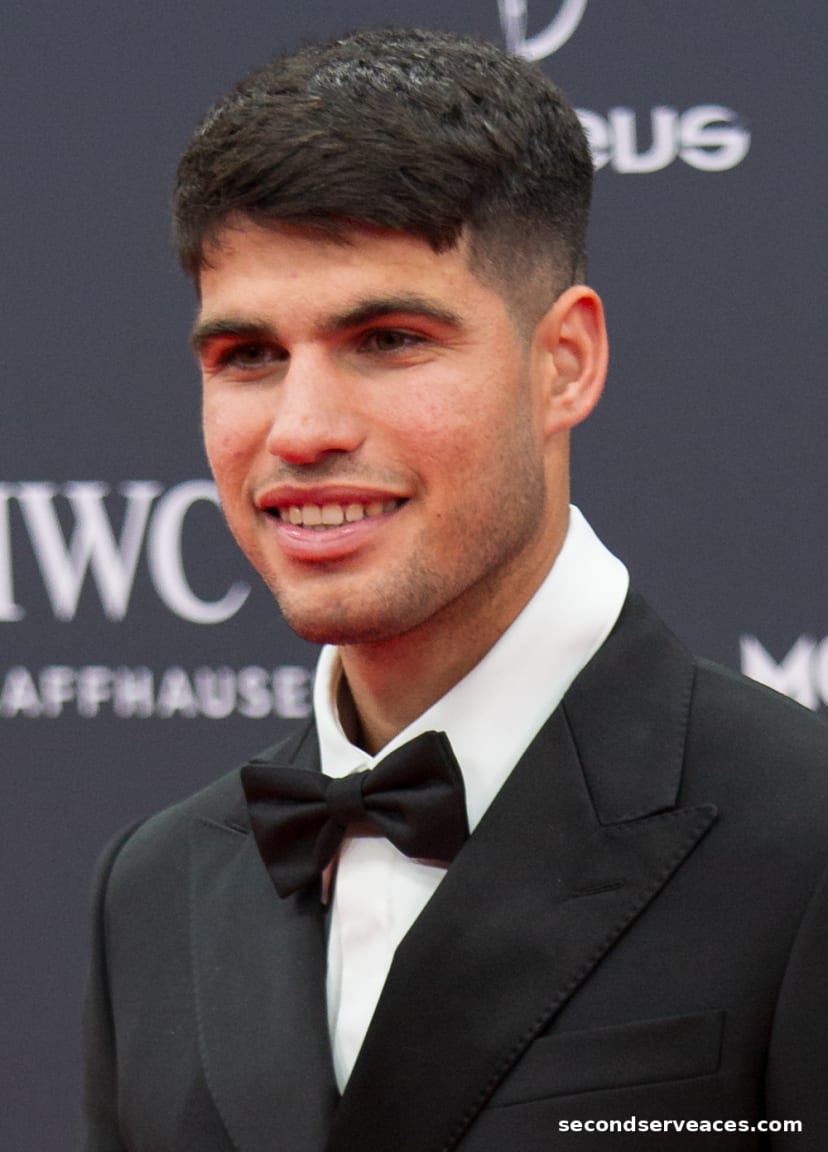
Champions at the top of the pyramid will see their efforts rewarded with 2.8 million euros per singles title. As we head toward the first ball on Sunday, 24 May, these numbers provide a clear incentive for heavy hitters like Carlos Alcaraz and Jannik Sinner to refine their sliding technique and heavy topspin trajectories for the demands of the red dirt.
Wearable Innovation and the Human Element
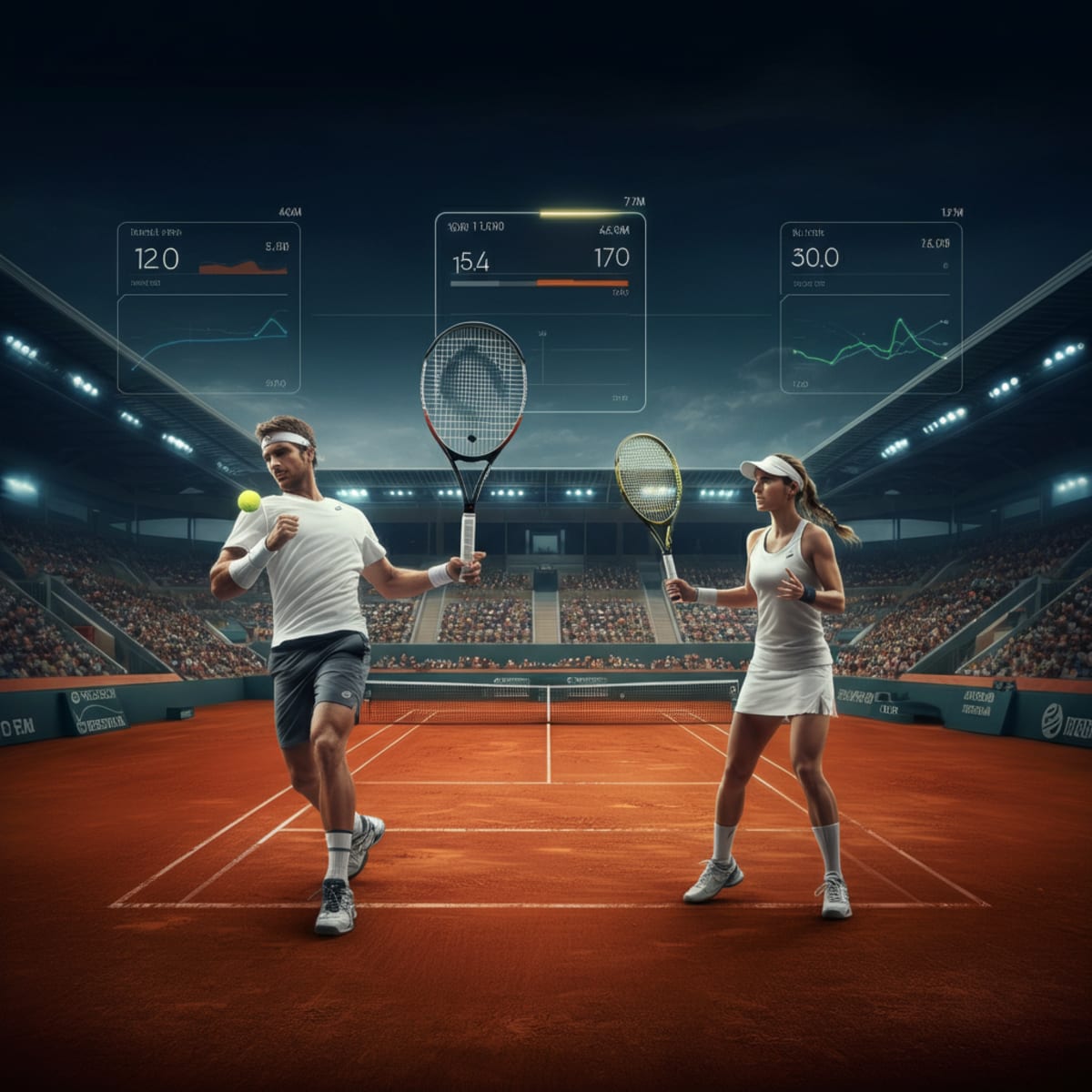
Perhaps more interesting than the checkbooks are the technological and officiating protocols. Mauresmo has confirmed that Roland Garros will persist with human line judges, opting out of the full-scale Electronic Line Calling migration seen elsewhere on the tour. It is a traditionalist stance, yet it arrives alongside a forward-thinking amendment: players are now cleared to utilize data-collecting portable devices during competitive play.
This integration of biometric and performance-tracking tech on court is a seismic change. While fans watch how players like Iga Swiatek or Aryna Sabalenka manage their heart rates and output through extended baseline rallies, the influx of real-time data will fundamentally alter how coaching staffs review match momentum and physical load. It is a new data frontier for the ATP Tour and WTA alike.
The Final Swing for Veterans
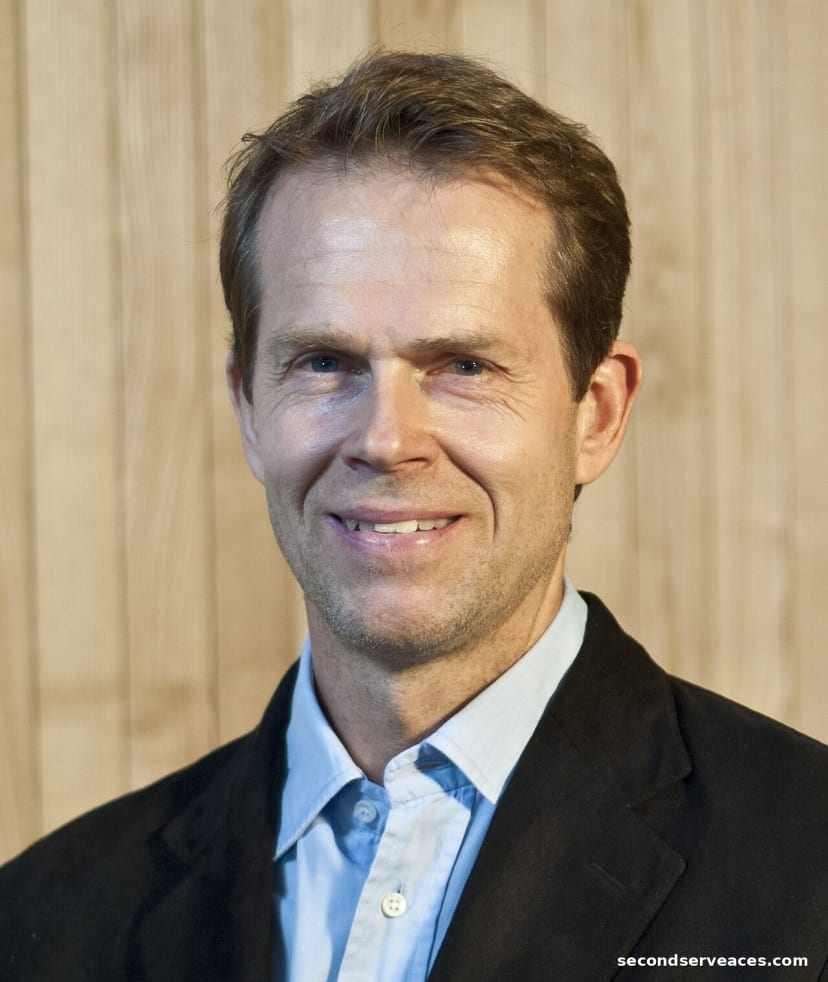
Beyond the accounting and the wearables, the 2026 edition carries an undeniable emotional weight. We are preparing to bid farewell to two of the game’s most inventive spirits: Gaël Monfils and Stan Wawrinka. Both have announced their intent to retire at the close of this season, turning their final appearance at Porte d'Auteuil into a definitive curtain call.
Whether it is the raw power of Wawrinka's backhand or the crowd-igniting athleticism of Monfils, their absence will leave a tactical void in the field. As they navigate their final clay-court cycle, the focus shifts to how they utilize their vast experience to counter the next generation, making their concluding tournament a must-watch study in career longevity and shot selection.
What Carlos Alcaraz Plays With
Babolat Pure Aero 98
Babolat RPM Blast 1.30
Nike Vapor Pro 2
Analyze Carlos Alcaraz vs. Jannik Sinner
Predict tactical adjustments, momentum swings, and serve strategy options for this match-up using our AI simulator.
The Aces Tactical Panel
This report was curated and edited by Bhaskar Goel. Tactical analysis and technical insights were provided by our specialized panel of expert correspondents.
Julian Price
Senior Tactical Correspondent
Stuffy, pedantic British academic and historian specializing in match momentum and historical context.
Elena Cruz
Director of Analytical Research
Data scientist specializing in court surface physics and movement patterns.
Bhaskar
The Editor & Fan
Passionate tennis player and site editor bringing everyday amateur insights and relatable fan commentary.
Arthur Vance
Senior Existential Analyst
Deep, eccentric, and DFW-inspired. Models court metaphysics, kinetic beauty, and player psychology.
Leo Sterling
High-Performance Consultant
Hard-nosed ex-trainer from Melbourne with a no-nonsense view on tour fitness.