A Virus Disrupts the European Clay Swing
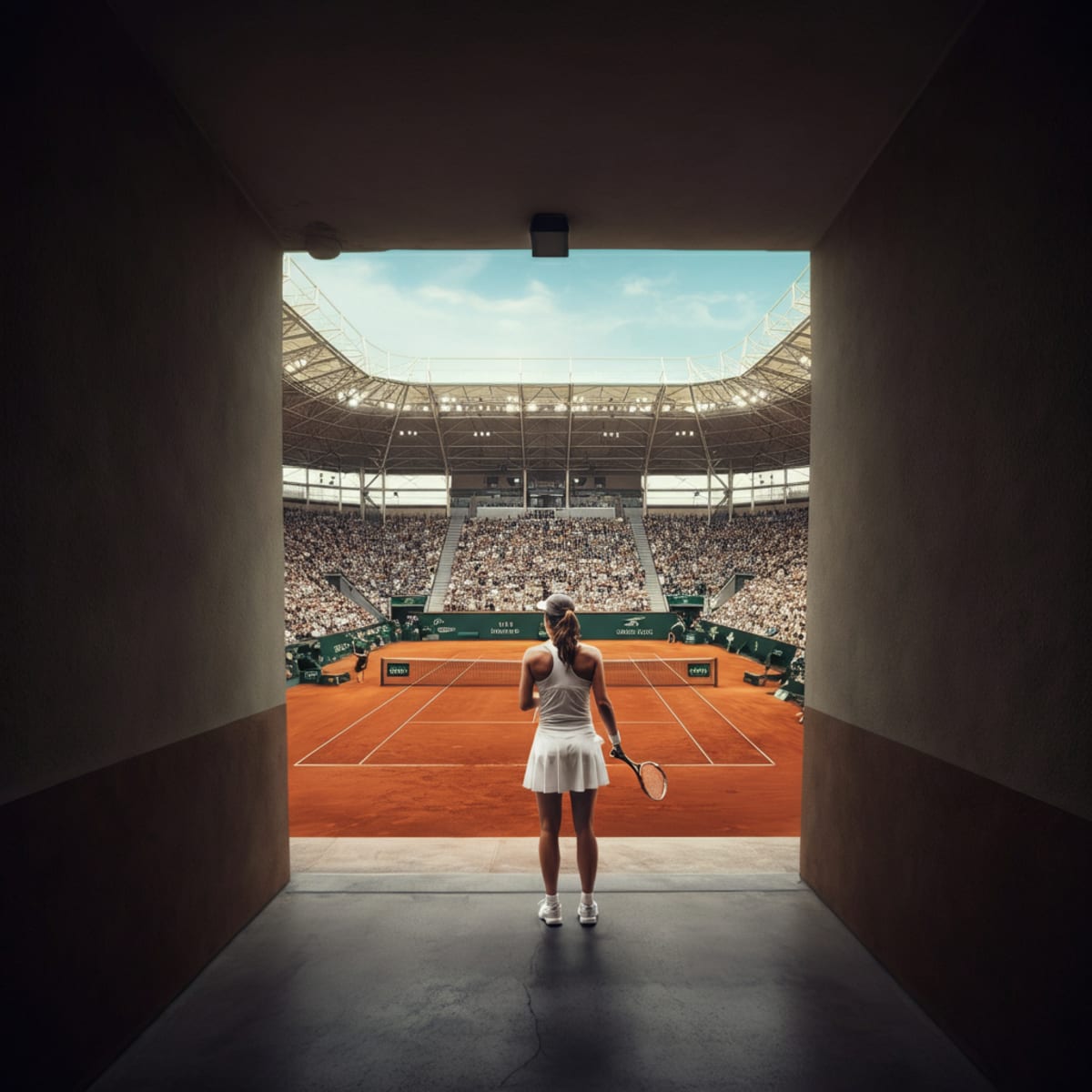
The red dust of the Caja Mágica will miss a familiar face this season. Emma Raducanu, the British number one, has been forced to withdraw from the Madrid Open as she contends with the lingering effects of a viral illness. It is a frustrating interruption for a competitor who knows all too well how delicate the momentum of a professional campaign can be.
Listen to the Second Serve Podcast
Get our daily AI-synthesized audio briefings and match reviews on the go.
In a season where the WTA circuit moves rapidly through the European spring, every week lost to illness or injury carries a significant weight. The physical toll of high-intensity play often leaves the world’s elite vulnerable, and Raducanu is currently focused on finding a clear path back to the baseline.
While the fans in Spain will certainly feel the absence of the 2021 US Open champion, she is already casting her eyes toward the future. The current recovery timeline targets a return for the prestigious Internazionali BNL d'Italia in Rome, which begins on May 5th, offering a critical opportunity to find her rhythm before the grand stage of Roland-Garros.
The Wider Context of the Madrid Withdrawal
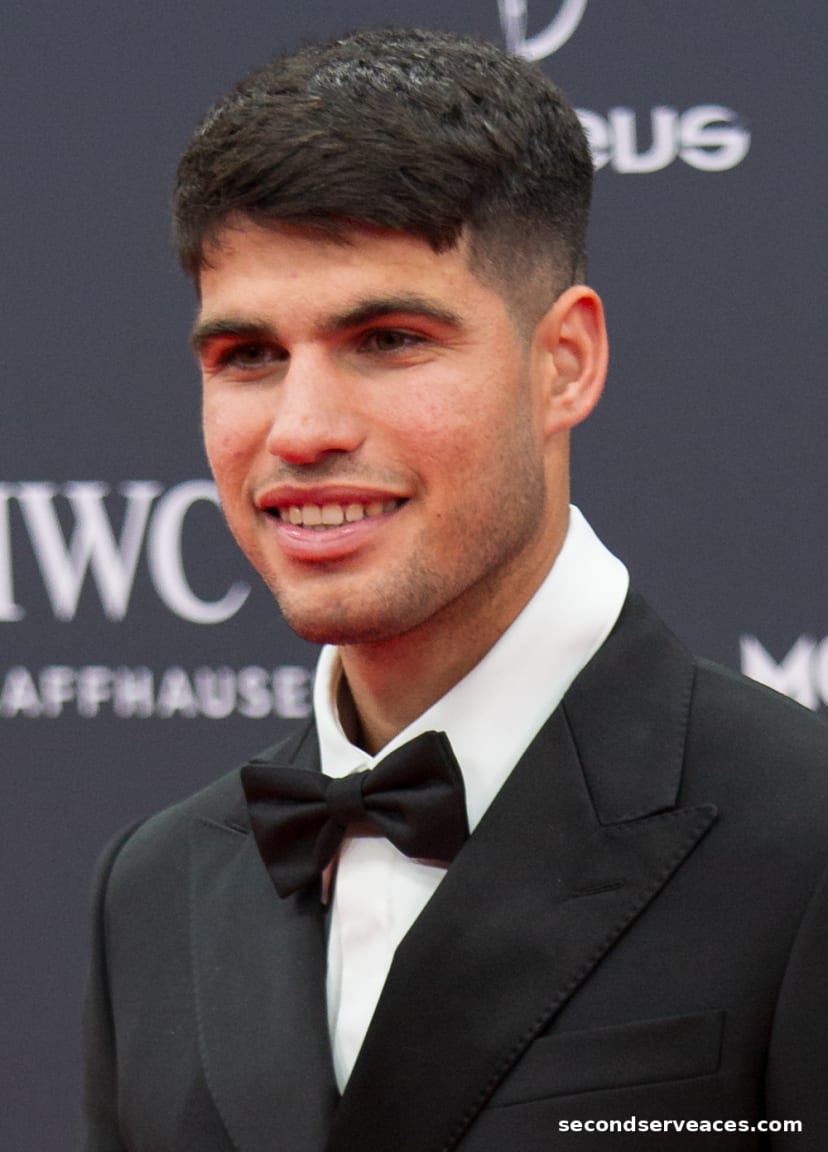
Raducanu is far from the only star absent from the marquee event in Madrid. The withdrawal list has grown increasingly heavy, with both Carlos Alcaraz and Novak Djokovic also electing to skip the event. It creates a vacuum of star power that inevitably shifts the focus onto the remaining field.
Such simultaneous absences across the men’s and women’s tours underscore the grueling nature of the modern calendar. Whether battling viral infections or managing the wear and tear of a long season, the game’s biggest names must prioritize their longevity over any single tournament, regardless of its prestige.
The ATP rankings and their WTA counterparts are fluid, and missed time often leads to challenging draws later in the season. For players like Raducanu, the challenge lies in maintaining form and fitness without the match-reps required to sharpen the edges of their game.
Navigating the Transition in Coaching and Form
The current pause comes amidst a period of significant structural change for Raducanu. Following her appearance at the Australian Open earlier this year, the British star parted ways with coach Francisco Roig. Such transitions are rarely simple, especially while attempting to juggle the pressures of the tour with recurring health setbacks.
Finding the right voice in a player's corner is an arduous process, one that requires patience and a shared vision for tactical execution. The search for stability continues as Raducanu works to navigate her path back to peak performance, away from the glare of the flashbulbs and the intensity of the center court.
A player's support system is their bedrock. Without the consistency of a long-term coaching partnership, the road to recovery often feels significantly steeper. Supporters will be watching closely to see how she balances this developmental phase with the immediate demands of her return to the clay.
Looking Toward Rome and Beyond
The eyes of the tennis world are now firmly fixed on Rome. If Raducanu can successfully navigate her recovery, the Italian Open will serve as the litmus test for her conditioning. It is a tournament steeped in history, demanding a high level of endurance and tactical acumen on the slow, unforgiving clay.
There is no substitute for match momentum. While she has been sidelined by illness, her peers have been battling for points, ranking positions, and confidence. Rejoining the fray in May will require immediate adaptation and a sharp mindset to overcome any rust accumulated during her time away.
Ultimately, the objective remains clear: to build the necessary stamina and tactical discipline to compete at the highest level throughout the duration of the summer schedule. The grit required to reach the top is well-documented, and the coming weeks will reveal much about the next chapter of her career.
What Carlos Alcaraz Plays With
Babolat Pure Aero 98
Babolat RPM Blast 1.30
Nike Vapor Pro 2
Analyze Emma Raducanu vs. Maria Lourdes Carle
Predict tactical adjustments, momentum swings, and serve strategy options for this match-up using our AI simulator.
The Aces Tactical Panel
This report was curated and edited by Bhaskar Goel. Tactical analysis and technical insights were provided by our specialized panel of expert correspondents.
Julian Price
Senior Tactical Correspondent
Stuffy, pedantic British academic and historian specializing in match momentum and historical context.
Elena Cruz
Director of Analytical Research
Data scientist specializing in court surface physics and movement patterns.
Bhaskar
The Editor & Fan
Passionate tennis player and site editor bringing everyday amateur insights and relatable fan commentary.
Arthur Vance
Senior Existential Analyst
Deep, eccentric, and DFW-inspired. Models court metaphysics, kinetic beauty, and player psychology.
Leo Sterling
High-Performance Consultant
Hard-nosed ex-trainer from Melbourne with a no-nonsense view on tour fitness.