The Psychological Grind on the Red Dirt
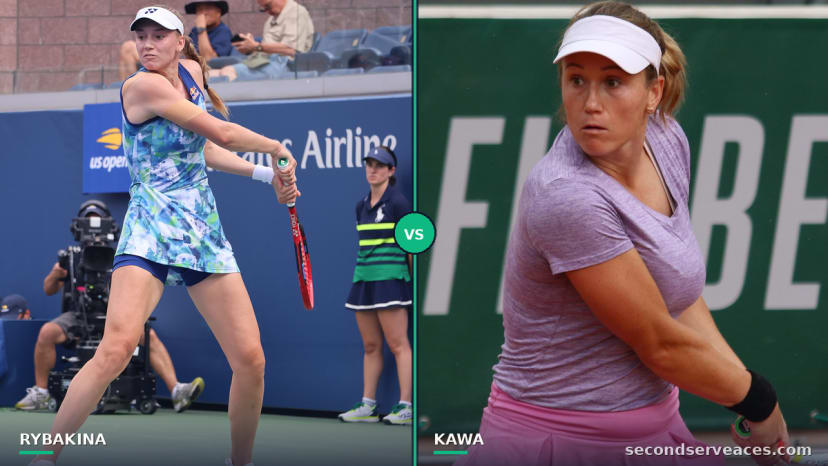
In the high-stakes theater of the Madrid Open, winning isn't just about finding the lines; it’s about surviving the noise. When Elena Rybakina faced off against Zheng Qinwen, the match quickly devolved into a mental marathon. Trailing after dropping the opener, Rybakina had to fight not only the opponent across the net but the cold, unyielding reality of modern officiating.
Listen to the Second Serve Podcast
Get our daily AI-synthesized audio briefings and match reviews on the go.
The tension peaked during a critical exchange where the electronic line-calling system flagged a ball, leaving Rybakina desperate for a visual check. Chair umpire Julie Kjendlie stood firm, denying the request to inspect the physical mark on the clay. In the modern game, the umpire’s deference to technology is absolute, but for a player in the heat of the moment, it feels like losing a piece of the game's soul.
This isn't the first time the WTA courts at Madrid have seen such friction. Players have long debated the reliability of automated systems on the surface where the ball actually leaves a physical print. Much like the famous frustration shown by Alexander Zverev in previous years—when he famously documented a disputed mark—Rybakina was forced to compartmentalize her agitation to stay in the point.
Tactical Resilience Through the Second Set
To turn the tide from a 4-6 deficit, Rybakina had to simplify her game. She transitioned from reactive frustration to a disciplined display of power. By pinning her shoulders back and committing to her serve, she managed to dictate the rhythm, dragging Zheng into long, punishing rallies that tested the stamina of both competitors.
Rybakina’s ability to shake off the umpire dispute speaks to the kind of mental armor required at the elite level. It’s easy to let a bad call or a technical glitch derail an entire match momentum. Instead, she adjusted her court positioning, taking the ball earlier and robbing Zheng of the time she needed to set up her own heavy topspin shots.
The 4-6, 6-4, 6-3 scoreline masks the volatility of the encounter. Every break point felt like a referendum on the players' focus. Rybakina didn't just win the match; she survived a mental gauntlet, proving that even with full electronic line-calling, the most important piece of equipment remains the human capacity to reset.
The Shadow of Technology in Modern Tennis
Electronic line-calling was marketed as the death of the 'bad call,' yet it has birthed a new form of player anxiety. When the machine says the ball is out, the conversation ends—even if the dirt under your feet suggests otherwise. For a player like Rybakina, who relies on a precise, rhythmic delivery, having the rug pulled out by an invisible referee is a unique challenge to her rhythm.
We have seen veterans like Sam Querrey or the competitive fire of Jack Sock grapple with the changing nature of the sport in their own ways. The transition to fully automated systems creates a vacuum where players used to seek accountability from the chair. Now, they are left to argue with a digital ghost.
This win secures Rybakina's path to the fourth round, but it leaves an open question for the tournament organizers. If the players don't trust the tech, does the game lose its integrity? Or is this just the new cost of doing business on the professional tour?
Moving Forward Under Pressure
With her place in the next round confirmed, Rybakina now faces the task of recovering physically and mentally. The grit required to pull back from a set down against an opponent as dangerous as Zheng is exactly what separates the contenders from the field.
Success in this tournament now depends on how quickly she can let go of the frustrations of the umpire incident. In tennis, carrying the baggage of a previous match into the next round is a guaranteed exit ticket. Rybakina has the power, but her tournament run will likely hinge on her mental recalibration.
As we watch the draw unfold, the spotlight will remain on how players negotiate these technological hurdles. The Madrid Open is proving to be a true stress test for the current era of professional tennis, and Rybakina has successfully navigated the first major bump in the road.
What Alexander Zverev Plays With
Head Gravity Pro
Head Hawk Touch 1.25
Head Prime Tour (12-Pack)
Analyze Elena Rybakina vs. Zheng Qinwen
Predict tactical adjustments, momentum swings, and serve strategy options for this match-up using our AI simulator.
The Aces Tactical Panel
This report was curated and edited by Bhaskar Goel. Tactical analysis and technical insights were provided by our specialized panel of expert correspondents.
Julian Price
Senior Tactical Correspondent
Stuffy, pedantic British academic and historian specializing in match momentum and historical context.
Elena Cruz
Director of Analytical Research
Data scientist specializing in court surface physics and movement patterns.
Bhaskar
The Editor & Fan
Passionate tennis player and site editor bringing everyday amateur insights and relatable fan commentary.
Arthur Vance
Senior Existential Analyst
Deep, eccentric, and DFW-inspired. Models court metaphysics, kinetic beauty, and player psychology.
Leo Sterling
High-Performance Consultant
Hard-nosed ex-trainer from Melbourne with a no-nonsense view on tour fitness.