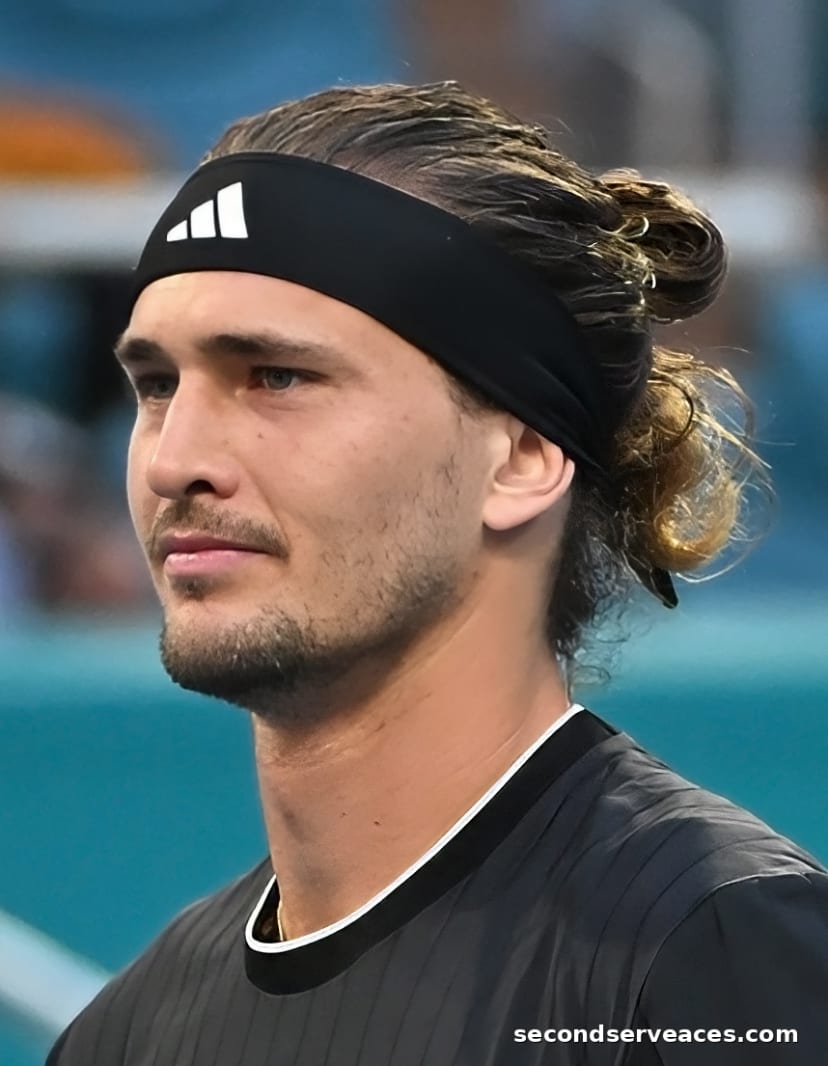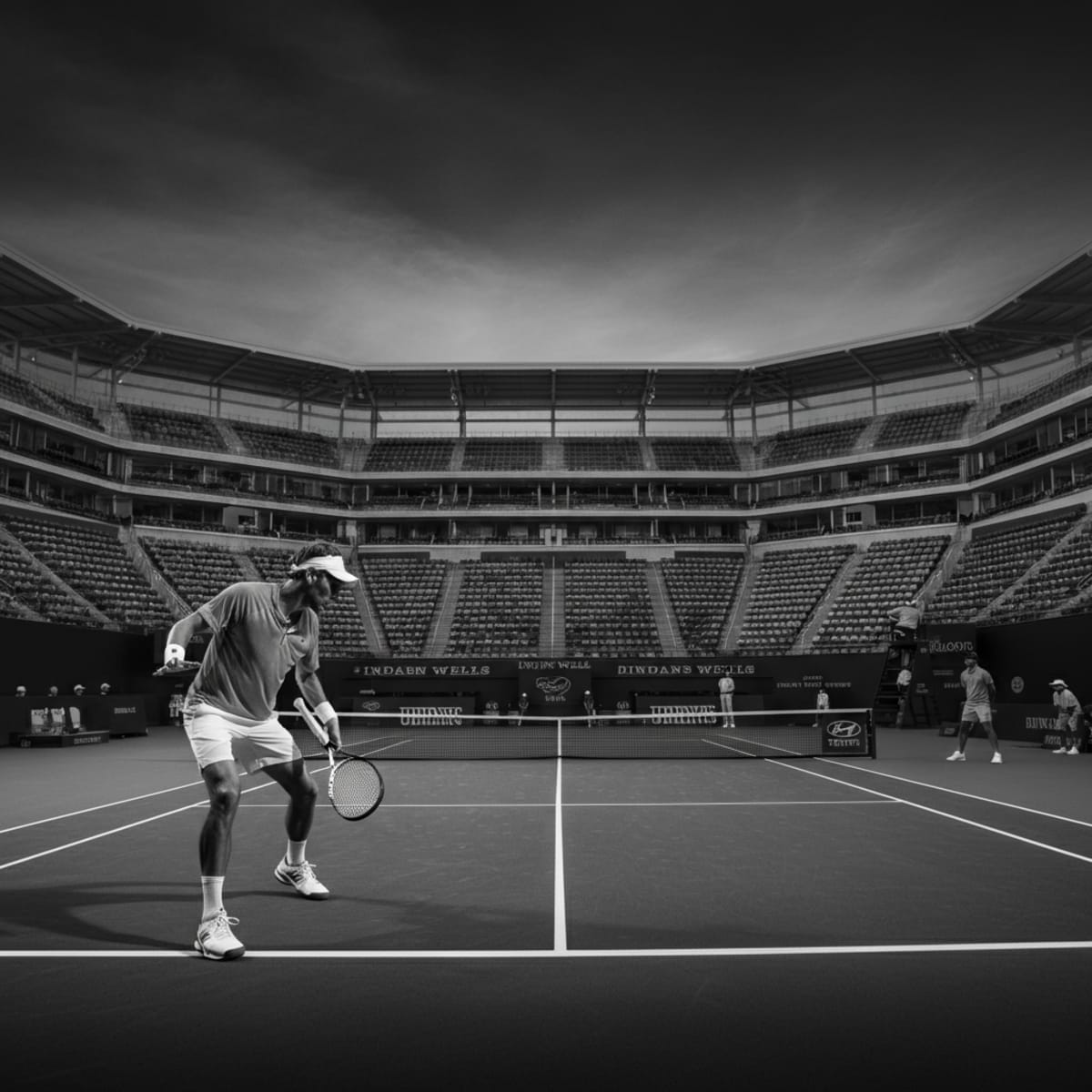
Tennis is a brutal, unforgiving mirror. It doesn't care who you beat yesterday, and it certainly doesn't care how tired your legs are today. Out in the punishing desert air of Indian Wells, defending champion Jack Draper learned this lesson the hard way. Less than 24 hours after a career-defining triumph over Novak Djokovic, Draper was thrown back into the gauntlet against the human backboard, Daniil Medvedev.
Listen to the Second Serve Podcast
Get our daily AI-synthesized audio briefings and match reviews on the go.
The result? A gritty 6-1, 7-5 victory for Medvedev that abruptly ended Draper's title defense in the quarter-finals. But the scoreline only tells half the story of a match defined by physical exhaustion, shifting match momentum, and a flashpoint of controversy that will be dissected in locker rooms for weeks.
The 24-Hour Hangover
Let's talk about the mental grind of the ATP Tour. You step onto the court against Novak Djokovic, and you pour every ounce of your soul into every single point. You redline your game, you hit your spots, and you slay the dragon. But the tournament doesn't stop to applaud you. Less than 24 hours later, Draper was staring down Medvedev, a man whose entire game is predicated on making you suffer for every inch of court.
The first set was a blur. Heavy legs and a foggy mind saw Draper quickly drop the opener 6-1. Medvedev is a master at sniffing out fatigue. He flattened his strokes, prolonged the rallies, and dared the young Brit to find the energy to hit through him. It was an interrogation of Draper's fitness and resolve.
The Hindrance Call That Stopped the Desert
To Draper's immense credit, he dug his heels into the hard court in the second set. He found his heavy topspin, started dictating terms, and dragged the set into a dogfight. But at 5-5, 0-15 on Draper's serve, the match took a dramatic and controversial turn.
Umpire Aurélie Tourte stepped in and awarded Medvedev the point, ruling that Draper had caused a hindrance. In a match where every single break point feels like life or death, this was a devastating blow to the Brit's match momentum. Suddenly facing a severe deficit in the most critical game of the set, the oxygen was sucked right out of Draper's comeback. Medvedev seized the opportunity, broke the serve, and served out the match 7-5.
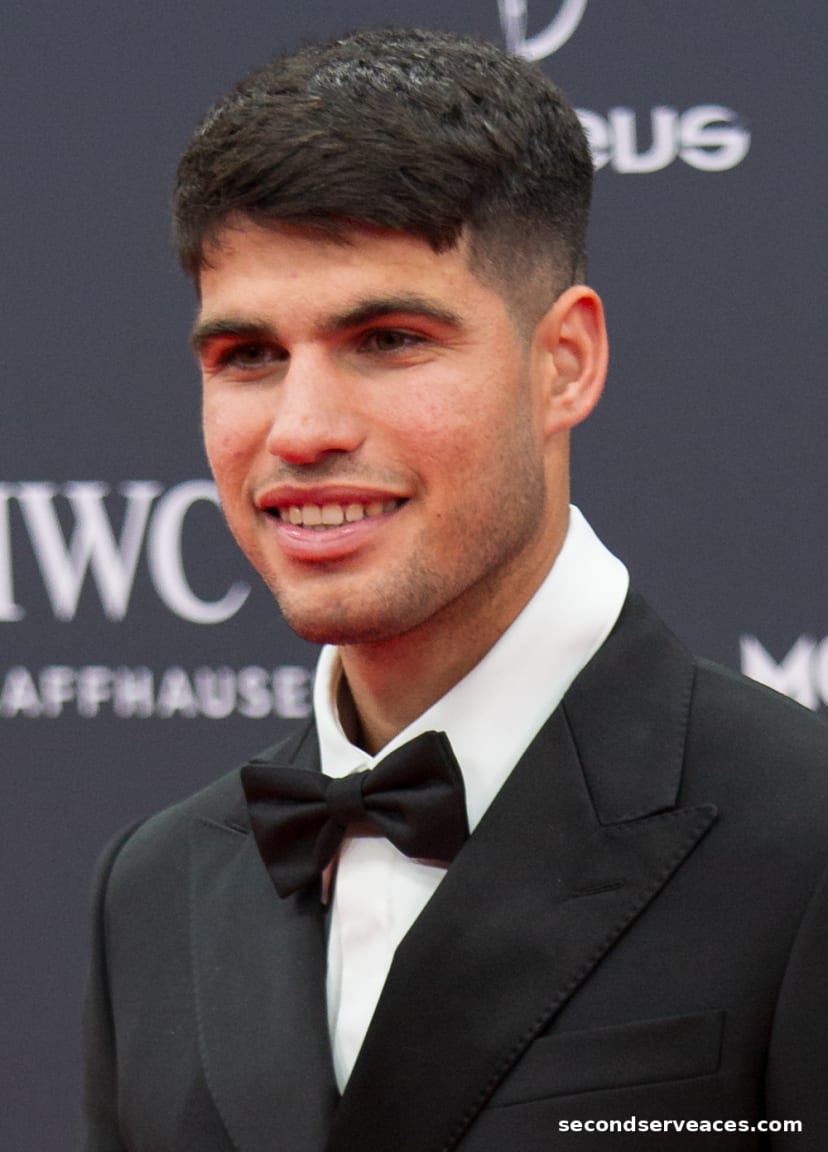
Meanwhile, on the other side of the draw, the youth movement continued its march as Carlos Alcaraz dispatched Cameron Norrie to confidently advance to the semi-finals. The stage is perfectly set for a blockbuster weekend.
The Tactical Breakdown
How do you dismantle a defending champion who is running on fumes? If you are Daniil Medvedev, you do it with geometry and patience.
- Deep Return Positioning: Medvedev notoriously stands practically in the front row of the bleachers to return serve. Against a lefty like Draper who relies on swinging the serve out wide, this deep position buys Medvedev the necessary milliseconds to track the ball, neutralize the pace, and put the return deep down the middle, resetting the point immediately.
- Flat Trajectories vs. Heavy Topspin: Draper generates massive topspin off his forehand wing. Normally, this pushes opponents behind the baseline. But Medvedev's flat, unorthodox groundstrokes absorb that spin. By keeping his shots low and penetrating, Medvedev forced Draper to bend his knees and generate his own pace—a tall order for a guy who spent the previous day wrestling with Djokovic.
- Exploiting the Heavy Legs: The tactical blueprint against a tired opponent is simple: make them play one more ball. Medvedev's rally tolerance is legendary. He didn't need to hit lines in the first set; he just needed to keep the ball in play until Draper's exhausted legs failed to get him into position.
It was a masterclass in reading the room. Medvedev recognized the physical deficit and engineered a game plan that felt more like quicksand than tennis.
The Bigger Picture
Defending a Masters 1000 title is one of the toughest tasks in the sport. Once you win a tournament of this magnitude, you are no longer the hunter; you are the hunted. It's an open book. The entire locker room studies your tendencies, your favorite patterns, and your pressure points. Draper's run at Indian Wells this year—culminating in that sensational win over Djokovic—proves that his maiden title here was no fluke. He belongs in the upper echelon of the ATP. But this loss is a harsh reminder of the physical demands required to back up monumental victories.
For Medvedev, this victory reinforces his status as a premier hard-court tactician. He thrives on these surfaces, using the predictability of the bounce to perfectly time his unorthodox, sweeping groundstrokes. Surviving a tricky, potentially dangerous match against a defending champion adds serious fuel to his campaign.
Looking ahead, the presence of Carlos Alcaraz in the semi-finals guarantees that the intensity will only skyrocket. The desert is narrowing its field, and the mental grind is reaching its peak. Whether it’s navigating a brutal schedule, overcoming the heavy topspin of an inspired opponent, or surviving a highly debated umpire's call, the path to the Indian Wells trophy remains as treacherous as ever.
What Daniil Medvedev Plays With
Tecnifibre T-Fight 305 Isoflex
Tecnifibre Razor Soft
Analyze Jack Draper vs. Daniil Medvedev
Predict tactical adjustments, momentum swings, and serve strategy options for this match-up using our AI simulator.
The Aces Tactical Panel
This report was curated and edited by Bhaskar Goel. Tactical analysis and technical insights were provided by our specialized panel of expert correspondents.
Julian Price
Senior Tactical Correspondent
Stuffy, pedantic British academic and historian specializing in match momentum and historical context.
Elena Cruz
Director of Analytical Research
Data scientist specializing in court surface physics and movement patterns.
Bhaskar
The Editor & Fan
Passionate tennis player and site editor bringing everyday amateur insights and relatable fan commentary.
Arthur Vance
Senior Existential Analyst
Deep, eccentric, and DFW-inspired. Models court metaphysics, kinetic beauty, and player psychology.
Leo Sterling
High-Performance Consultant
Hard-nosed ex-trainer from Melbourne with a no-nonsense view on tour fitness.