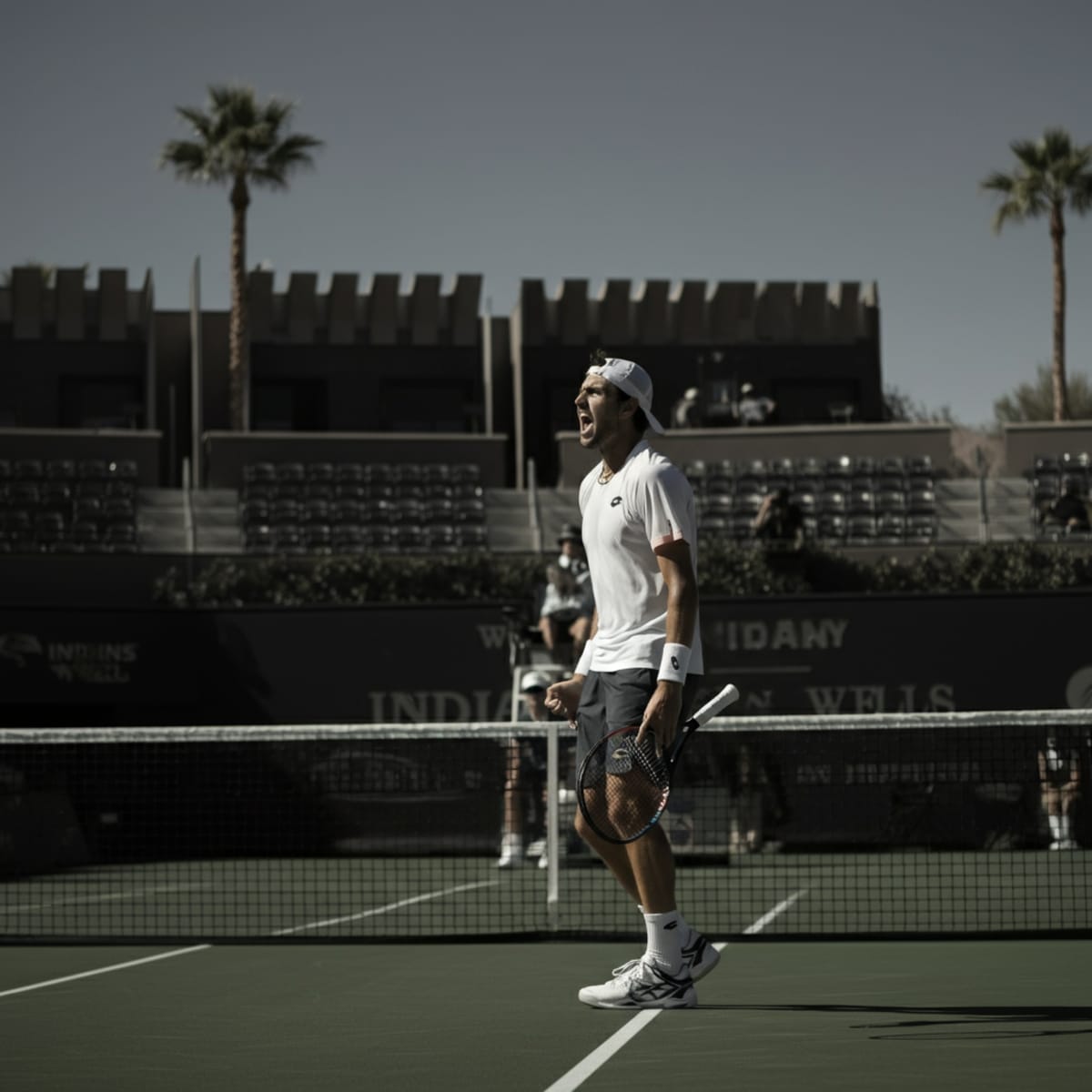
Indian Wells, under the desert sun, is supposed to be about blistering forehands and lung-busting rallies. Instead, it's become a pressure cooker of controversy. Luciano Darderi’s second-round match against Rinky Hijikata ended in a way that leaves a bitter taste: a hindrance call that sent Darderi packing. Tennis, they say, is a gentleman’s game. But sometimes, the rules feel anything but.
Listen to the Second Serve Podcast
Get our daily AI-synthesized audio briefings and match reviews on the go.
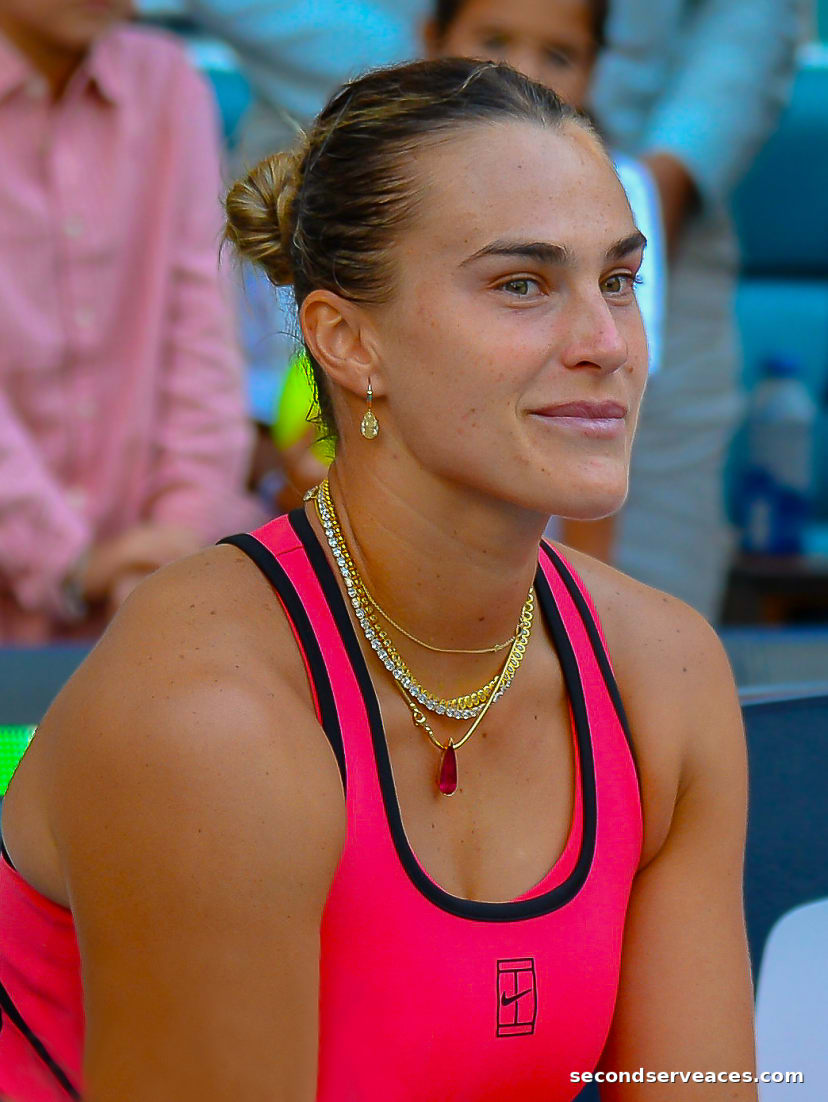
Darderi stopped play after hearing a spectator shout, believing he was within his rights. The chair umpire disagreed, video review confirmed it, and Hijikata walked away with the match. A tough pill to swallow, especially when you consider Aryna Sabalenka's Australian Open penalty for a *grunt*. The line between strategy, instinct, and hindrance is blurring faster than a Bublik second serve.
The Tactical Breakdown
Let’s be clear: Hijikata didn’t win *because* of the hindrance. He won because he came ready to work. I’ve seen Hijikata grind opponents down with relentless consistency. He forces errors. Darderi, still finding his footing on the big stage, likely felt that pressure mounting. The tactical dance was already tilting in Hijikata's favor before the controversy erupted.
- Serve Placement: Hijikata likely targeted Darderi’s weaker return, exploiting any hesitation.
- Rally Tolerance: He's a wall. He forces you to earn every point, pushing you to overhit.
- Net Approaches: While not a pure serve-and-volleyer, expect Hijikata to pick his spots wisely, disrupting Darderi's rhythm.
Tactically, Hijikata's game is built around wearing opponents down, maximizing unforced errors and dictating the tempo with his solid groundstrokes. He understands the geometry of the court, forcing opponents to hit that one extra ball.
The Bigger Picture
This loss stings for Darderi. It’s a harsh lesson in the unforgiving world of professional tennis. The mental game is as crucial as the physical, and moments like these can define a player. It’s about bouncing back, learning from the adversity, and coming back stronger. Will he learn to block out the noise and stay focused? Time will tell.
For Hijikata, this win – however controversial – is a chance to build momentum. He now faces Alexander Bublik. A completely different beast altogether. Bublik's game is all about feel, flair and the unexpected. A clash of styles if there ever was one. Can Hijikata’s solid base withstand Bublik’s chaotic genius?
The video review debate rages on. Was the call correct? Was it fair? The truth is, these subjective calls are always going to be a source of contention. Tennis needs to evolve its review system, but even then, some calls will always be a matter of interpretation. And that’s what makes this sport so damn compelling, and so damn frustrating.
Looking Ahead
- Hijikata moves on to face Bublik, a match that will test his resilience.
- Darderi will have to regroup and focus on his next tournament.
- The debate over video review in tennis will continue to evolve.
What Aryna Sabalenka Plays With
Wilson Blade 98 v9 (16x19)
Luxilon ALU Power 125
Analyze Luciano Darderi vs. Rinky Hijikata
Predict tactical adjustments, momentum swings, and serve strategy options for this match-up using our AI simulator.
The Aces Tactical Panel
This report was curated and edited by Bhaskar Goel. Tactical analysis and technical insights were provided by our specialized panel of expert correspondents.
Julian Price
Senior Tactical Correspondent
Stuffy, pedantic British academic and historian specializing in match momentum and historical context.
Elena Cruz
Director of Analytical Research
Data scientist specializing in court surface physics and movement patterns.
Bhaskar
The Editor & Fan
Passionate tennis player and site editor bringing everyday amateur insights and relatable fan commentary.
Arthur Vance
Senior Existential Analyst
Deep, eccentric, and DFW-inspired. Models court metaphysics, kinetic beauty, and player psychology.
Leo Sterling
High-Performance Consultant
Hard-nosed ex-trainer from Melbourne with a no-nonsense view on tour fitness.