The grind. We all know it. The endless travel, the punishing schedule, the toll on the body. It's the price of admission for a shot at glory. But is the price too high? Daniil Medvedev seems to think so, and he's not afraid to lob a grenade into the carefully constructed fortress of the ATP tour.
Listen to the Second Serve Podcast
Get our daily AI-synthesized audio briefings and match reviews on the go.
Medvedev's Proposal: A Shorter Calendar
Medvedev's idea, floated during the Dubai tournament, is simple, yet seismic: strip ranking points from smaller tournaments to encourage players to skip them, thereby shortening the season. It's a radical concept, designed to address growing concerns about player welfare in a sport where 'break point' moments can be derailed by fatigue or injury. He's laying it all on the line.
The Core Argument: Player Workload
Here's the breakdown:
- The Problem: The current ATP calendar is grueling, demanding near-year-round commitment. Expanded Masters events only exacerbate the issue.
- Medvedev's Solution: Reduce the incentive to play every tournament by eliminating ranking points from smaller events.
- The Goal: Give players more time to rest, recover, and train, theoretically leading to fewer injuries and a higher quality of play when they *do* step on the court.
The Djokovic Effect and The Future of Tennis
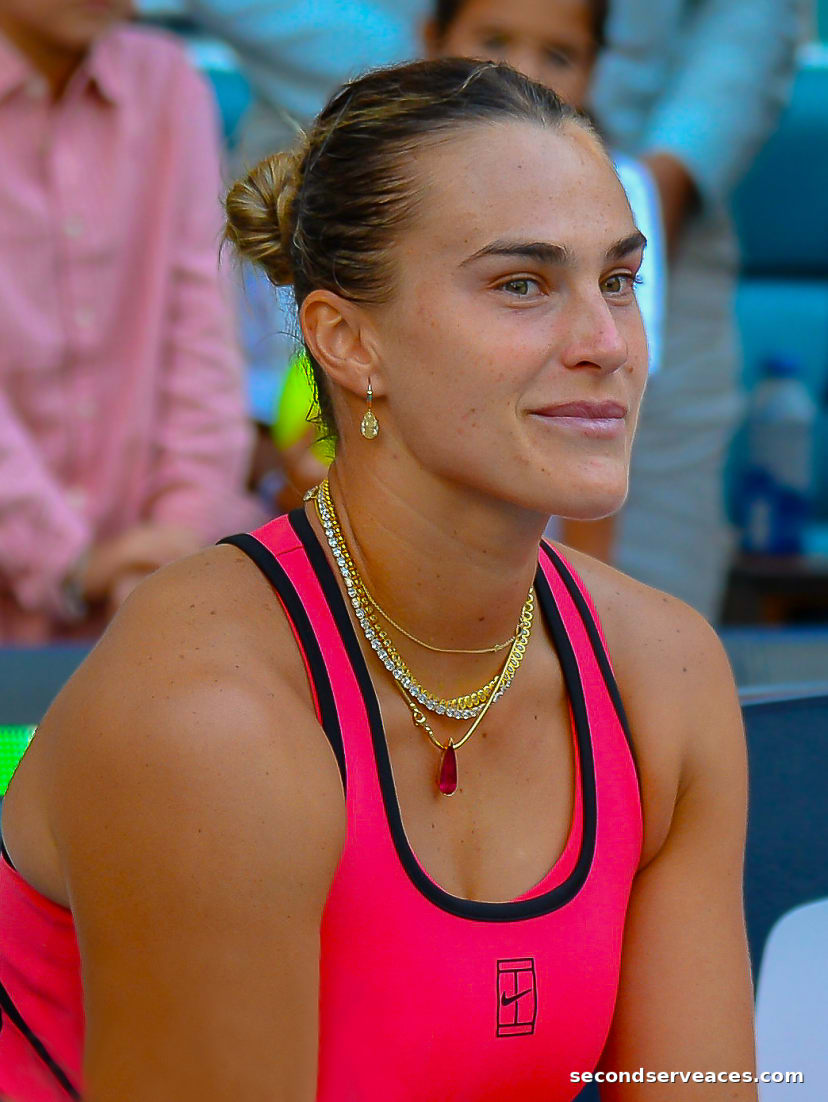
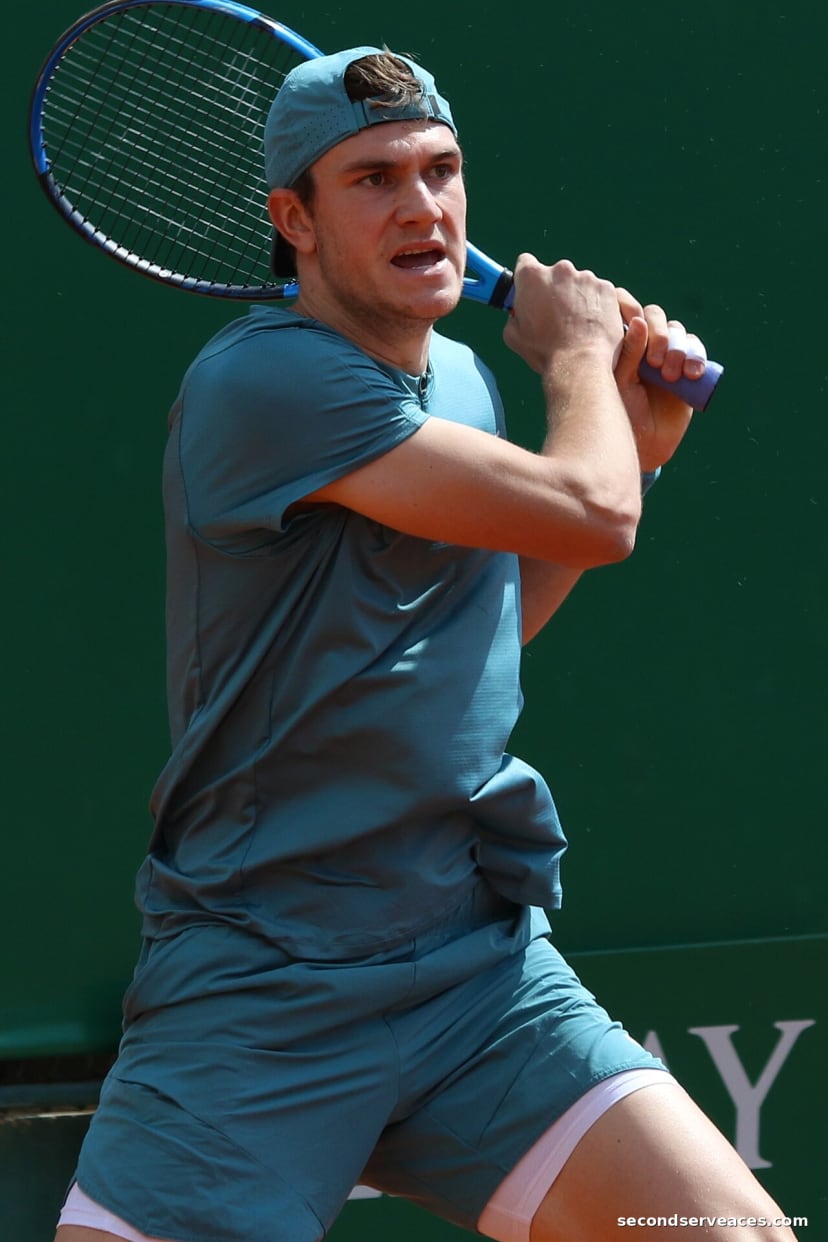
This isn't just about Medvedev. It's about the longevity of stars like Novak Djokovic, the rise of young guns like Carlos Alcaraz and Holger Rune, and the sustained dominance of Iga Swiatek on the WTA side. It’s about Jack Draper trying to find his form. A shorter season, some argue, could extend careers and allow for more strategic scheduling. It's about maximizing match momentum, not just accumulating points.
But here's the rub: the ATP is a business. Tournaments need star power to sell tickets. Removing ranking points could turn these events into glorified exhibitions, undermining their value. It’s a gamble.
The Open Book of Rivalries
Tennis is an open book. We see the physical battles, the mental fortitude, the strategic chess match unfolding in real-time. Medvedev's proposal adds another layer to that narrative. It's a conversation about the future of the sport, about balancing the demands of competition with the realities of the human body. Whether his idea gains traction remains to be seen, but one thing is certain: the debate has begun. And in this game, every serve, every volley, every proposal matters. We are at a critical crossroads, and the choices we make now will shape the sport for generations to come. Topspin, break point, and the game continue.
What Daniil Medvedev Plays With
Tecnifibre T-Fight 305 Isoflex
Tecnifibre Razor Soft
Analyze Daniil Medvedev vs. Novak Djokovic
Predict tactical adjustments, momentum swings, and serve strategy options for this match-up using our AI simulator.
The Aces Tactical Panel
This report was curated and edited by Bhaskar Goel. Tactical analysis and technical insights were provided by our specialized panel of expert correspondents.
Julian Price
Senior Tactical Correspondent
Stuffy, pedantic British academic and historian specializing in match momentum and historical context.
Elena Cruz
Director of Analytical Research
Data scientist specializing in court surface physics and movement patterns.
Bhaskar
The Editor & Fan
Passionate tennis player and site editor bringing everyday amateur insights and relatable fan commentary.
Arthur Vance
Senior Existential Analyst
Deep, eccentric, and DFW-inspired. Models court metaphysics, kinetic beauty, and player psychology.
Leo Sterling
High-Performance Consultant
Hard-nosed ex-trainer from Melbourne with a no-nonsense view on tour fitness.