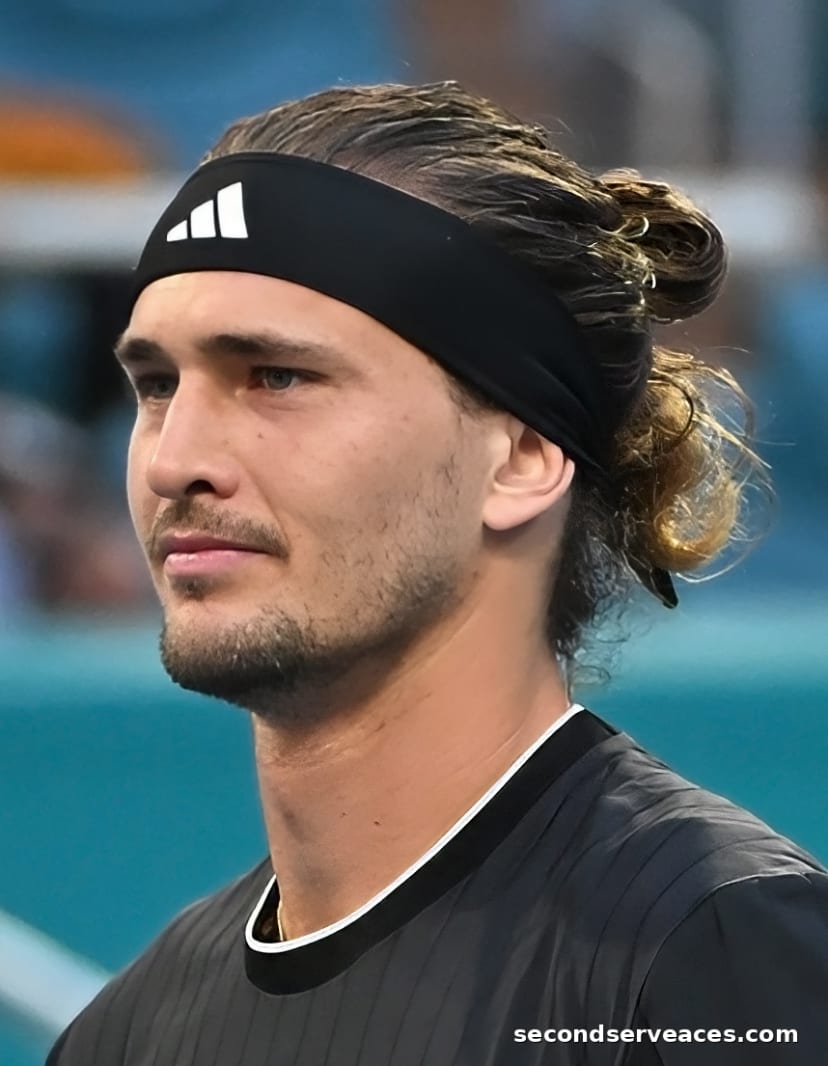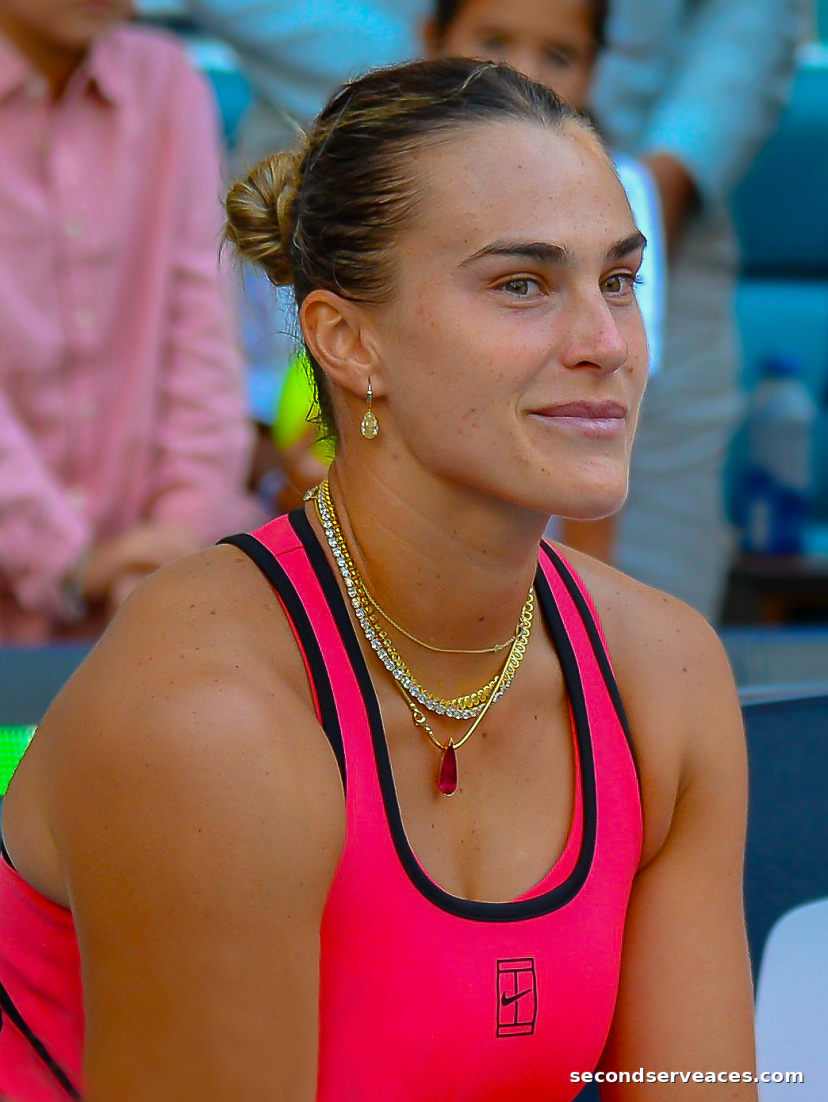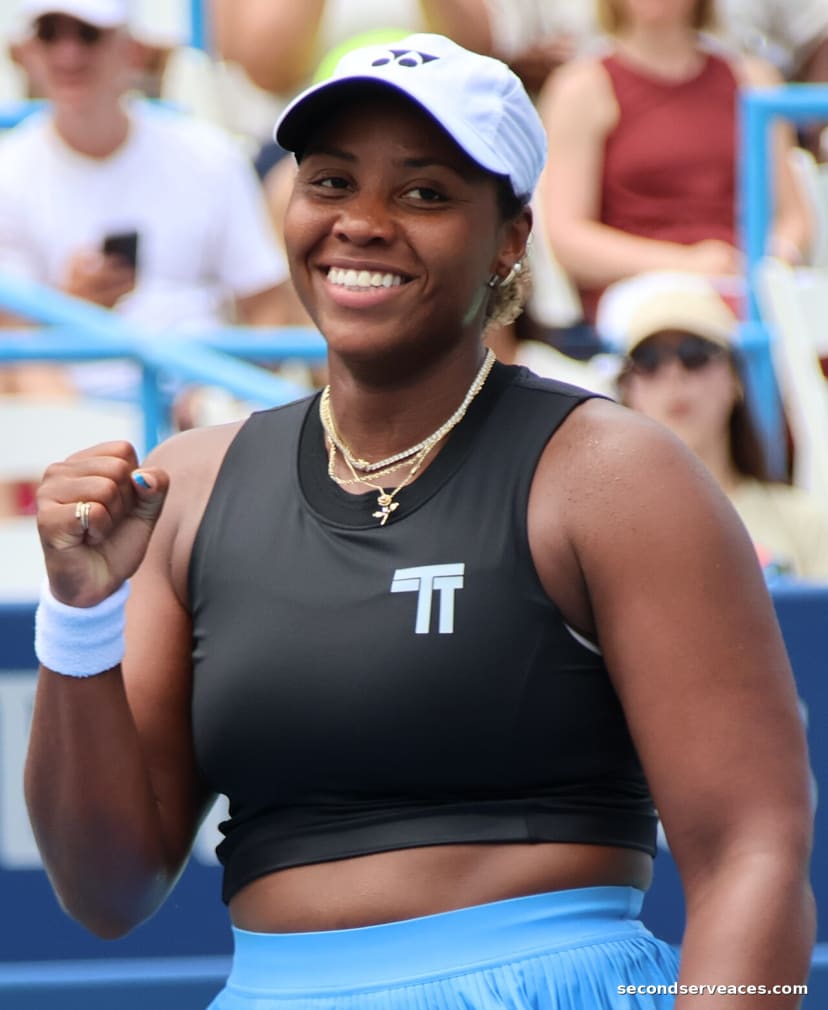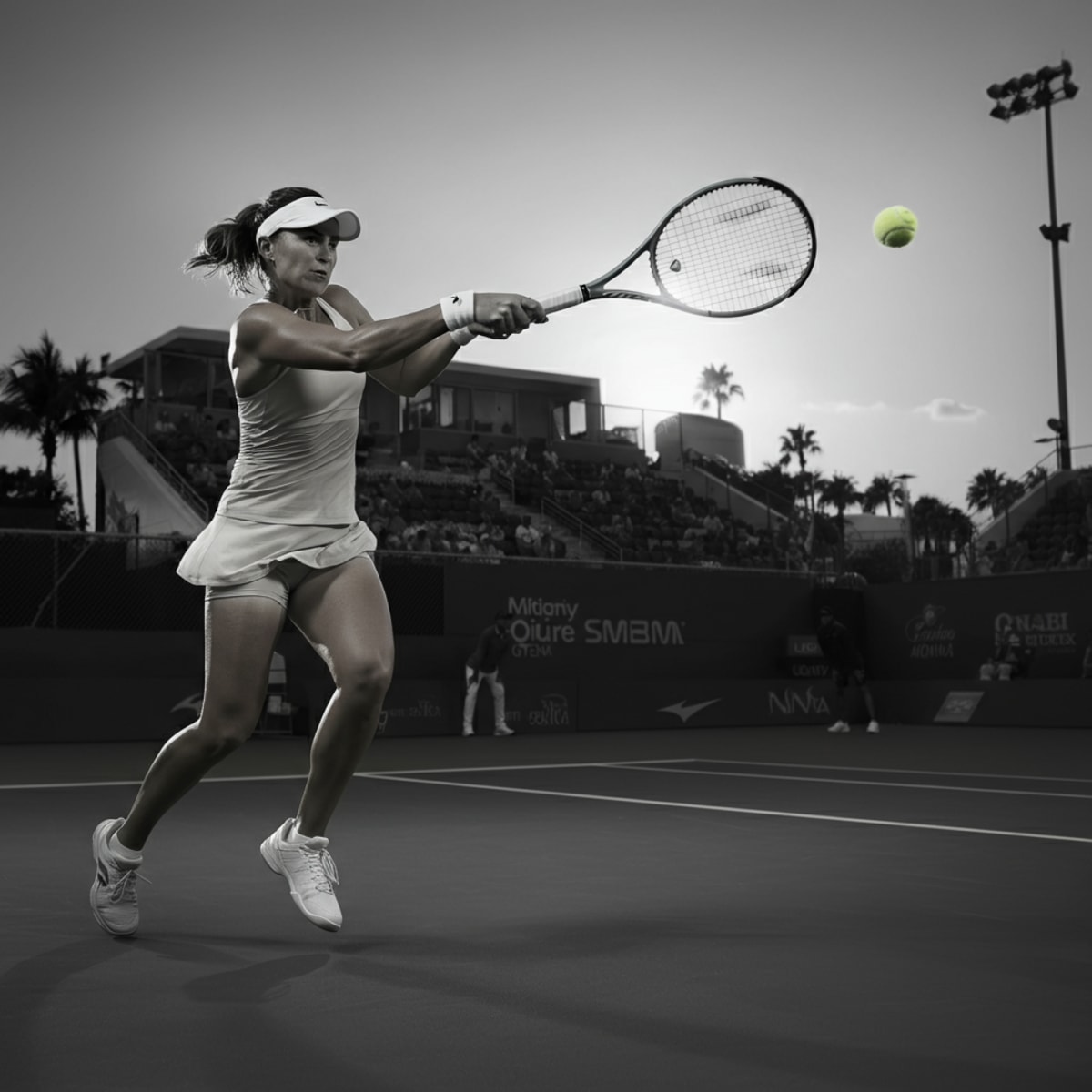
The asphalt demands a toll. It punishes the joints, drains the lungs, and strips away any illusions you might harbor about your own game. Tennis on hard courts is a brutal, open-book interrogation, and against Belinda Bencic, Coco Gauff faced two hours and 15 minutes of relentless questioning. The young American found her answers in the South Florida humidity, digging deep to secure a 6-3, 1-6, 6-3 victory and punch her ticket to her first Miami Open semi-final.
Listen to the Second Serve Podcast
Get our daily AI-synthesized audio briefings and match reviews on the go.
Reaching the final four in this particular tournament carries heavy historical weight. Gauff's latest triumph means she has officially become the youngest American to reach the women's singles semi-finals at the Miami Open since Serena Williams navigated this exact gauntlet back in 2004. It is a milestone that speaks to her rapid maturation on the tour.
The Tactical Breakdown
Belinda Bencic is a unique architectural problem for any opponent. She thrives on taking the ball exceptionally early, stepping inside the baseline, and redirecting pace to steal precious fractions of a second from the player across the net. When Bencic ran away with the second set 6-1, her strategy was brutally clear: rush the Gauff forehand.
Gauff utilizes a relatively extreme grip on her forehand side. It allows her to generate massive, dipping topspin, but it requires time to uncoil. By hitting flat and fast, Bencic robbed Gauff of that time, forcing defensive, scraping replies that routinely landed short. The American looked thoroughly disarmed. But championship resilience is entirely about what you do when Plan A goes up in flames.
Changing the Geometry
To arrest the bleeding in the decider, Gauff had to fundamentally alter the spatial dynamics of the rally. Here is how she dismantled Bencic's baseline hugging in the final set:
- Vertical Defense: Instead of trying to match Bencic’s flat, linear strikes, Gauff injected height and heavy RPMs into her groundstrokes. This pushed the Swiss player back, forcing her to hit from behind the baseline where her flat shots lose their venom.
- Targeting the Ad-Court: Gauff began hiding her forehand by aggressively shifting to her backhand side. Her two-hander is a world-class weapon, and she used it to dictate cross-court exchanges, entirely neutralizing Bencic’s attempts to pry open the angles.
- The Physical Grind: Gauff intentionally extended the point architecture. She turned the third set into an endurance test. Against an elite athlete like Gauff, a pure fitness contest is a losing proposition for almost anyone on tour.
Around the Grounds
As Gauff caught her breath, the rest of the Miami Open draw continued its ruthless sorting process. Karolina Muchova awaits Gauff in the semi-final. The remarkably crafty Czech navigated past Victoria Mboko with a tight 7-5, 7-6 (7-5) victory. Muchova brings a completely different puzzle to the court: knifing slices, frequent net approaches, and off-pace variations designed to disrupt baseline rhythm.
Elsewhere in the bracket, Elena Rybakina continues her methodical march. She dismantled Talia Gibson 6-2, 6-2 without breaking a sweat. That clinical victory sets up a highly anticipated quarter-final clash against the ever-consistent Jessica Pegula.
The Bigger Picture
There is a mathematical subtext to Gauff’s run in Miami. Rankings are just numbers until they reflect a genuine power shift in the locker room hierarchy. The upper echelons of the WTA are fiercely contested, heavily patrolled by major champions like Aryna Sabalenka and Iga Swiatek. However, the calculus is about to change.
If Gauff manages to untangle the web of Karolina Muchova and reach the final, she will officially overtake Iga Swiatek to become world number three in the WTA rankings. For a player who grew up competing alongside American peers like Hailey Baptiste in the junior circuits, seizing the world number three ranking represents a permanent arrival.
Chasing Serena Williams' 2004 milestones is an achievement for the record books, but surpassing a four-time major champion like Swiatek on the computer requires a totally different level of week-in, week-out attrition. Gauff is no longer just surviving the grind; she is beginning to orchestrate it.
What Coco Gauff Plays With
Head Boom MP 2024
Head Lynx Tour 1.25
Analyze Coco Gauff vs. Belinda Bencic
Predict tactical adjustments, momentum swings, and serve strategy options for this match-up using our AI simulator.
The Aces Tactical Panel
This report was curated and edited by Bhaskar Goel. Tactical analysis and technical insights were provided by our specialized panel of expert correspondents.
Julian Price
Senior Tactical Correspondent
Stuffy, pedantic British academic and historian specializing in match momentum and historical context.
Elena Cruz
Director of Analytical Research
Data scientist specializing in court surface physics and movement patterns.
Bhaskar
The Editor & Fan
Passionate tennis player and site editor bringing everyday amateur insights and relatable fan commentary.
Arthur Vance
Senior Existential Analyst
Deep, eccentric, and DFW-inspired. Models court metaphysics, kinetic beauty, and player psychology.
Leo Sterling
High-Performance Consultant
Hard-nosed ex-trainer from Melbourne with a no-nonsense view on tour fitness.