The Unseen Reality of the WTA Circuit
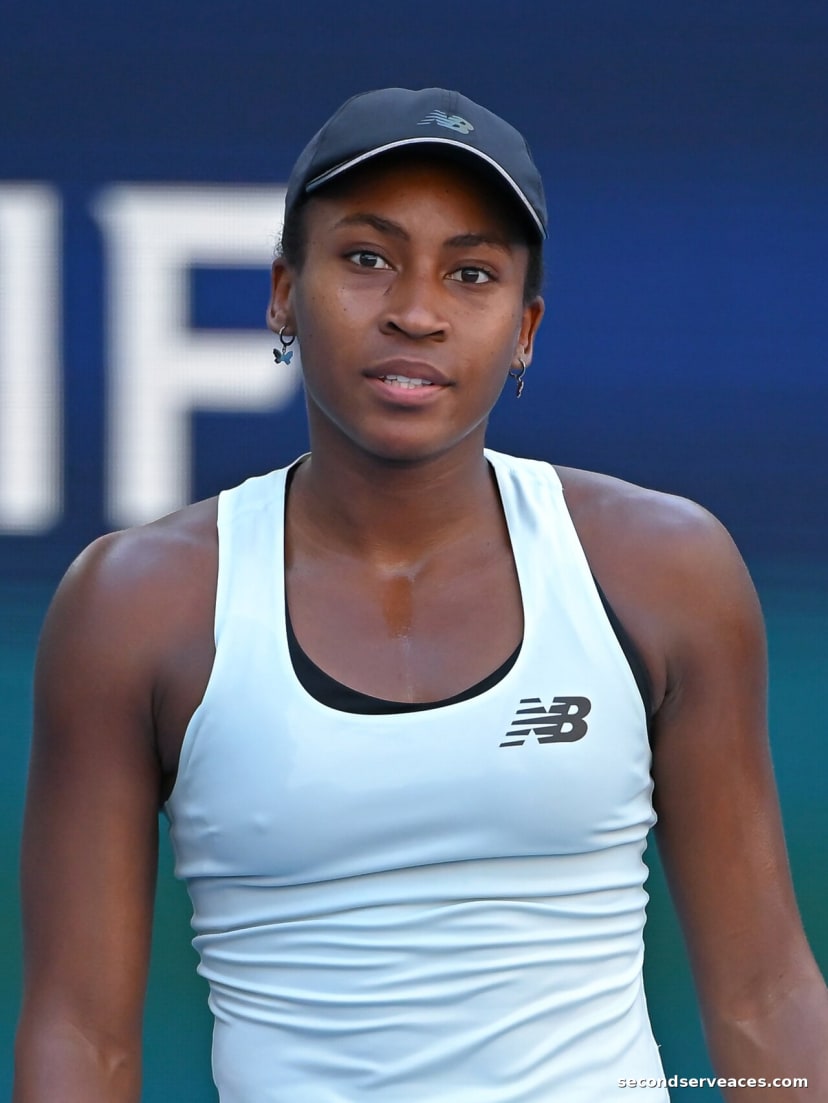
Tennis is a lonely sport, even when you're under the glare of a Madrid Open stadium light. During her stay in Spain, Coco Gauff found herself battling more than just a fierce opponent; she was fighting a virus that threatened to dismantle her performance from the inside out. Watching her pull off a comeback after trailing 4-6, 3-4 to Sorana Cirstea to eventually secure a 4-6, 7-5, 6-1 victory was a reminder that grit isn't always about the highlight reel—it's about holding serve when your own body feels like it's failing you.
Listen to the Second Serve Podcast
Get our daily AI-synthesized audio briefings and match reviews on the go.
The aftermath of that win, however, brought a wave of online scrutiny that missed the mark entirely. While fans expect perfection, the reality of the WTA Tour is far more fragile. When whispers began that her struggle was performative rather than physiological, it signaled a disconnect between those watching from the couch and those sweating out the toxins on red clay.
It reached a point where Corey Gauff felt compelled to step into the fray, defending his daughter against claims that her health battles were somehow manufactured. In a world where every movement is scrutinized by cameras and social media, the vulnerability Gauff showed was the most authentic part of her time in Madrid—a stark contrast to the polished images usually projected in the sport.
The Intersection of Mentorship and Public Discourse
It’s rare to see a legend like Andy Roddick weigh in on the discourse surrounding a younger player's health, but his public support for Gauff served as a vital check on the noise. Roddick understands that the pressure to perform while physically compromised is a unique kind of torment that only those who have spent thousands of hours on tour can truly grasp.
This protection from peers and family is essential because the schedule rarely provides mercy. Even as Gauff eventually bowed out of the tournament to Linda Noskova, the conversation had shifted from the scoreline to the athlete's right to manage her own wellness. When we demand that players operate at 100% capacity regardless of illness, we lose sight of the humanity that drives the game.
The broader tennis community watched this unfold with mixed reactions, but the sentiment remained clear: there is no space for questioning the physical integrity of a competitor. When an athlete chooses to step onto the court, the assumption should always be that they are giving everything they have, even if that 'everything' is severely diminished by circumstance.
Lessons in Consistency Amidst Setbacks
The WTA rankings are a cold, unforgiving mirror, but they don't capture the days spent in training rooms or the nights lost to fever. The recent retirement of Iga Swiatek during her match against Ann Li due to similar health challenges further underscores that the tour is currently navigating a difficult stretch of illness. These aren't just names in a draw; they are players whose capacity for recovery is tested every single week.
Players like Karolina Pliskova, Elise Mertens, and Liudmila Samsonova all know that a single virus can derail months of careful preparation. The focus for Gauff, and indeed for the entire locker room, remains on the upcoming swing, including the Internazionali BNL d’Italia starting May 5, 2026. The ability to compartmentalize these health scares and look toward the next tournament is what separates the elite from the rest.
Ultimately, Gauff’s experience in Madrid serves as a barometer for how we treat our stars. We celebrate the trophies, but we often forget to acknowledge the quiet, agonizing battles fought behind the scenes. If there is a lesson here, it’s that the sport is more than the result of a match; it is the sum of every choice made to stay in the fight, no matter how daunting the odds become.
What Coco Gauff Plays With
Head Boom MP 2024
Head Lynx Tour 1.25
Analyze Coco Gauff vs. Sorana Cirstea
Predict tactical adjustments, momentum swings, and serve strategy options for this match-up using our AI simulator.
The Aces Tactical Panel
This report was curated and edited by Bhaskar Goel. Tactical analysis and technical insights were provided by our specialized panel of expert correspondents.
Julian Price
Senior Tactical Correspondent
Stuffy, pedantic British academic and historian specializing in match momentum and historical context.
Elena Cruz
Director of Analytical Research
Data scientist specializing in court surface physics and movement patterns.
Bhaskar
The Editor & Fan
Passionate tennis player and site editor bringing everyday amateur insights and relatable fan commentary.
Arthur Vance
Senior Existential Analyst
Deep, eccentric, and DFW-inspired. Models court metaphysics, kinetic beauty, and player psychology.
Leo Sterling
High-Performance Consultant
Hard-nosed ex-trainer from Melbourne with a no-nonsense view on tour fitness.