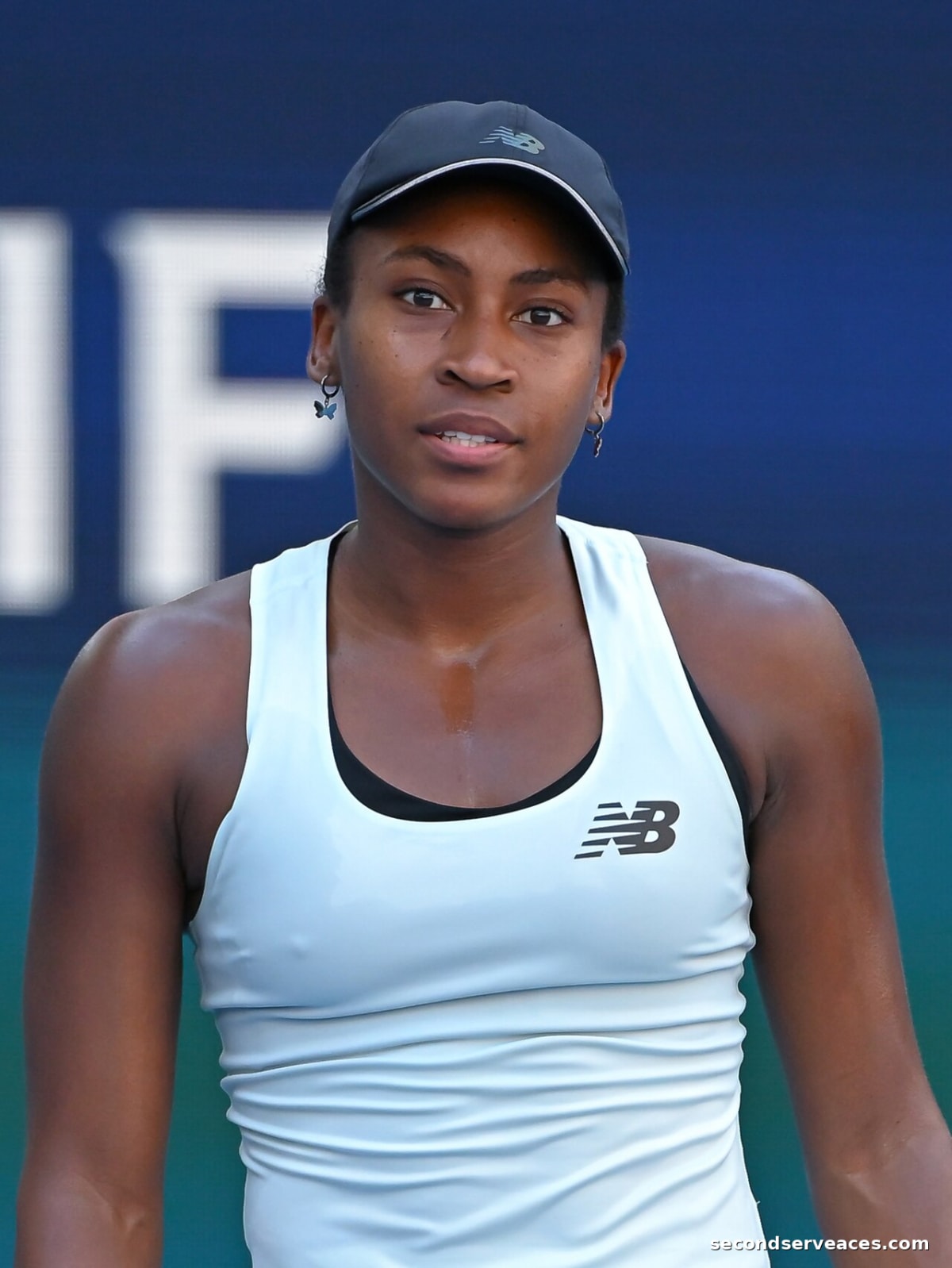
My word, the grand old game of lawn tennis has always demanded a certain level of decorum, both from those who wield the wooden rackets of yesteryear and those who brandish today's graphite weapons. Yet, the red clay of Roland Garros recently became the stage for an exhibition of petulance that would make the fiery McEnroe of 1980 look like a saintly choirboy. The drama unfolded not during a championship final, but in the grueling, dusty trenches of the second round.
Listen to the Second Serve Podcast
Get our daily AI-synthesized audio briefings and match reviews on the go.
The Five-Hour Clay Court Drama and a Costly Outburst in Paris
The match in question was a marathon of epic proportions, a grueling five-set saga that stretched over nearly five hours on the Parisian clay. Adolfo Daniel Vallejo and Moïse Kouamé traded heavy topspin and baseline blows in front of a raucous, highly partisan crowd. When the dust finally settled, Kouamé emerged victorious with a razor-thin margin of 3-6, 5-7, 6-3, 6-2, 7-6 (8), leaving Vallejo to stew in his own disappointment.
Regrettably, Vallejo's frustration boiled over into the press room, where he made the egregious claim that a match of such physical intensity and high-stakes atmosphere should have been "umpired by a man." This petulant outburst did not sit well with the tournament directors, who promptly handed the Paraguayan a staggering fine of €65,000 (approximately US$75,000) for his unsportsmanlike commentary regarding female chair umpire Ana Carvalho.
As someone who fondly remembers the classic era of the 1970s, where court etiquette was as sacred as white attire at the All England Club, such outbursts are deeply lamentable. The umpire's chair is a position of absolute authority, and Carvalho handled the five-hour pressure cooker with the utmost professionalism. Vallejo's costly fine serves as a stark reminder that the modern tour will not tolerate such regressive attitudes.
A Champion's Rebuke on the Sanctity of the Umpire's Chair
It did not take long for the sport's leading voices to weigh in on the controversy, with none other than Coco Gauff leading the charge. The young American, who has consistently shown a maturity well beyond her years, publicly criticized Vallejo's comments. Gauff made it unequivocally clear that an umpire's capability is determined by their training, vision, and focus—not by their gender.
Gauff's defense of Ana Carvalho was both eloquent and necessary. In an era where players often retreat into the sterile bubble of social media, Gauff's willingness to stand up for the officials who keep our sport orderly is highly commendable. It recalls the pioneering spirit of Billie Jean King and the original nine, who fought so tirelessly for respect on and off the court.
By shifting the focus back to performance and professional standards, Gauff illustrated the difference between mere athletes and true ambassadors of the game. However, carrying the psychological weight of such public advocacy while constantly transitioning between surfaces is no easy task, even for a competitor of her immense caliber.
How Off-Court Advocacy Impacted Gauff's Transition to Berlin's Slick Turf
Indeed, the emotional toll of the clay-court season and the subsequent media storm appeared to linger as Gauff made her highly anticipated transition to the slick lawns of the Berlin Tennis Open. Adjusting from the high-bouncing, slow red clay of Paris to the low-skidding, lightning-fast grass requires absolute mental and physical synchronization. Any distraction, no matter how noble, can disrupt a player's match momentum.
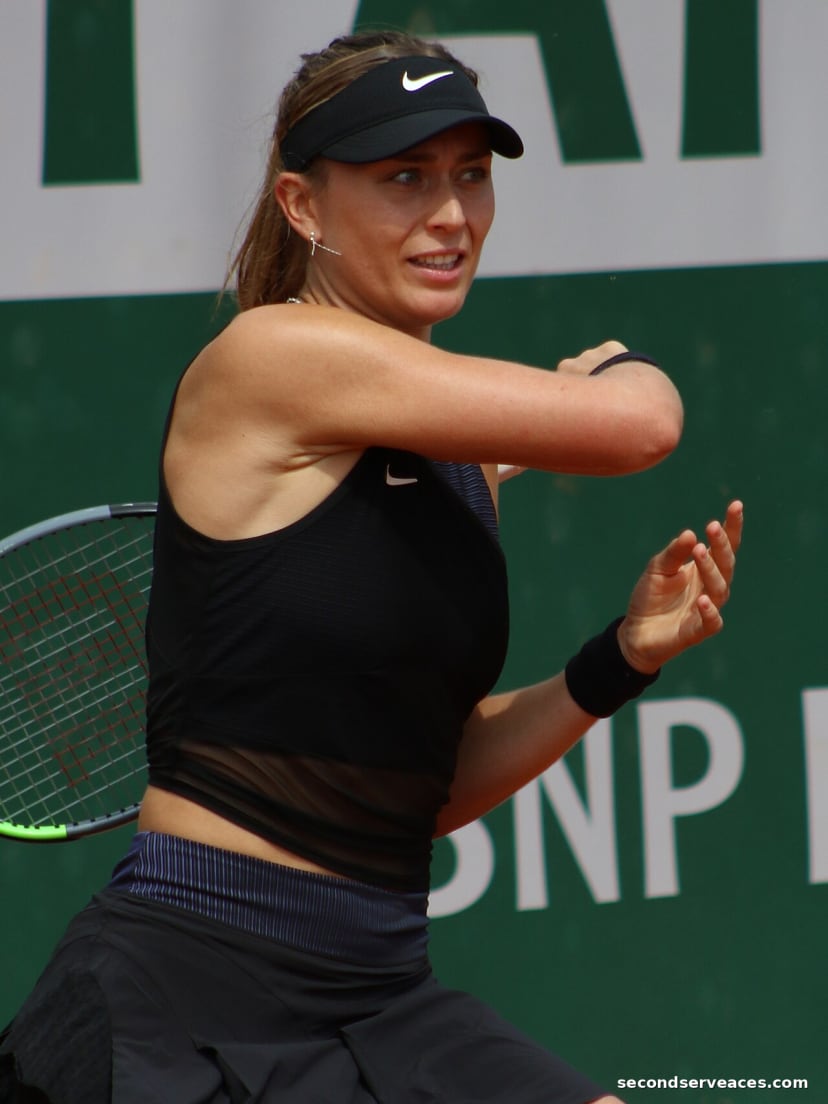
Facing the formidable Paula Badosa in her opening grass-court match of the summer, Gauff looked uncharacteristically out of sorts. The American struggled to find her rhythm, falling in a swift 6-1, 3-6, 2-6 defeat. Badosa's flat, aggressive groundstrokes consistently penetrated Gauff's defenses, exposing a temporary vulnerability on the slick turf that we previously noted in our preview of the Berlin matchups.
While Gauff managed to steady the ship in the second set with some exquisite slice variations, Badosa reasserted her dominance in the decider. The loss highlights just how delicate the transition to grass can be, especially when a player is forced to expend significant mental energy addressing off-court controversies just days prior to stepping onto the court.
The Numbers Behind Gauff's Quest for Tactical Equilibrium in 2024
Despite the disappointing setback in Germany, Gauff's overall body of work in 2024 remains highly impressive. She currently boasts a robust 26-11 win-loss record for the year, proving that she is a consistent threat on all surfaces. Her tactical versatility has been her greatest asset, allowing her to deep-run through some of the most demanding draws on the calendar.
Her finest moments of the season so far include runner-up finishes at the Miami Open and the prestigious Italian Open in Rome. In both tournaments, her relentless movement and improved unreturned serve percentages allowed her to dictate play from the baseline, neutralizing some of the biggest hitters on the WTA Tour.
As the grass-court season intensifies, Gauff must put the distractions of Paris and the disappointment of Berlin behind her. To find her tactical equilibrium on the lawns, she will need to refine her second-serve reliability and shorten her backswings to cope with the low bounce. If she can marry her formidable defensive skills with a more aggressive court position, the American will undoubtedly be a force to be reckoned with as the summer progresses.
What Coco Gauff Plays With
Head Boom MP 2024
Head Lynx Tour 1.25
Analyze Coco Gauff vs. Adolfo Daniel Vallejo
Predict tactical adjustments, momentum swings, and serve strategy options for this match-up using our AI simulator.
The Aces Tactical Panel
This report was curated and edited by Bhaskar Goel. Tactical analysis and technical insights were provided by our specialized panel of expert correspondents.
Julian Price
Senior Tactical Correspondent
Stuffy, pedantic British academic and historian specializing in match momentum and historical context.
Elena Cruz
Director of Analytical Research
Data scientist specializing in court surface physics and movement patterns.
Bhaskar
The Editor & Fan
Passionate tennis player and site editor bringing everyday amateur insights and relatable fan commentary.
Arthur Vance
Senior Existential Analyst
Deep, eccentric, and DFW-inspired. Models court metaphysics, kinetic beauty, and player psychology.
Leo Sterling
High-Performance Consultant
Hard-nosed ex-trainer from Melbourne with a no-nonsense view on tour fitness.
Related Reports
Quick Answers
Why was Adolfo Daniel Vallejo fined at the French Open?+
Adolfo Daniel Vallejo was fined €65,000 (US$75,000) for claiming his grueling five-hour match against Moïse Kouamé should have been umpired by a man.
What was Coco Gauff's response to Vallejo's controversial comments?+
Coco Gauff criticized Vallejo's remarks, asserting that a chair umpire's job and competence do not depend on their gender.
How did Coco Gauff perform in her opening match at the Berlin Tennis Open?+
Gauff suffered a 6-1, 3-6, 2-6 defeat to Paula Badosa in her opening grass-court match of the tournament.