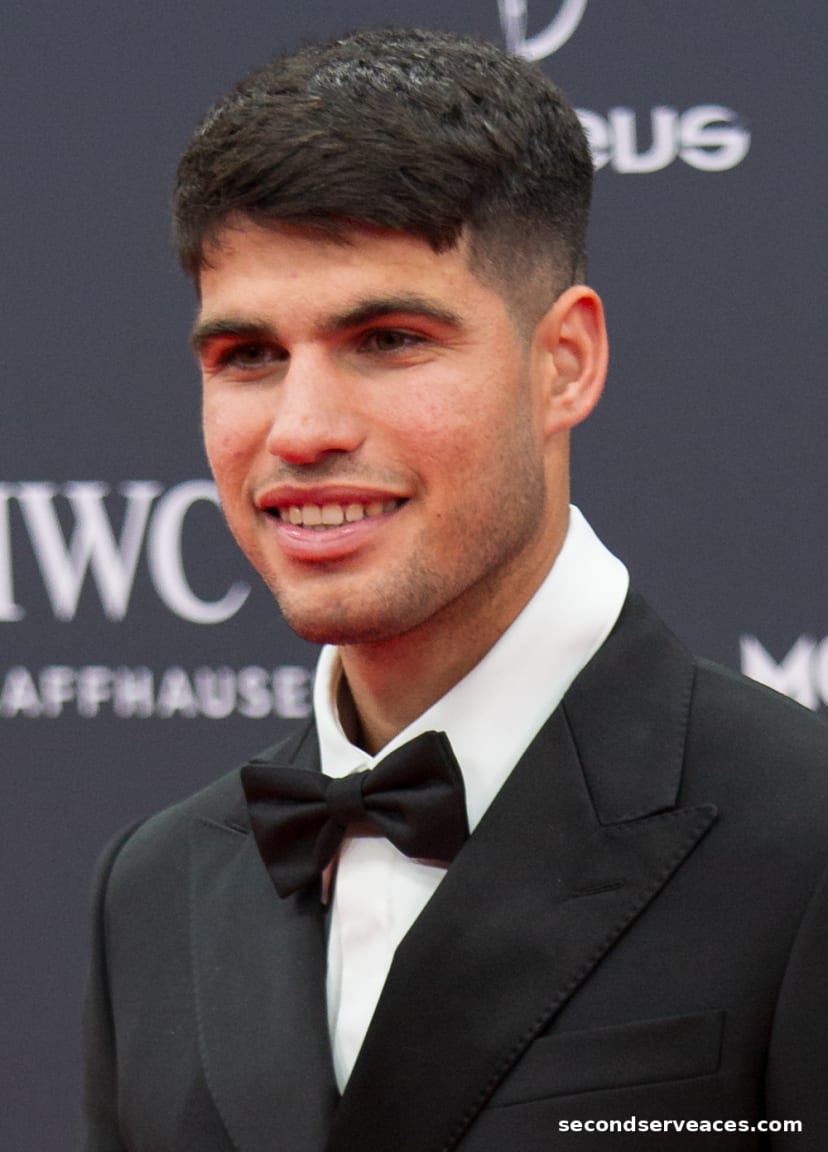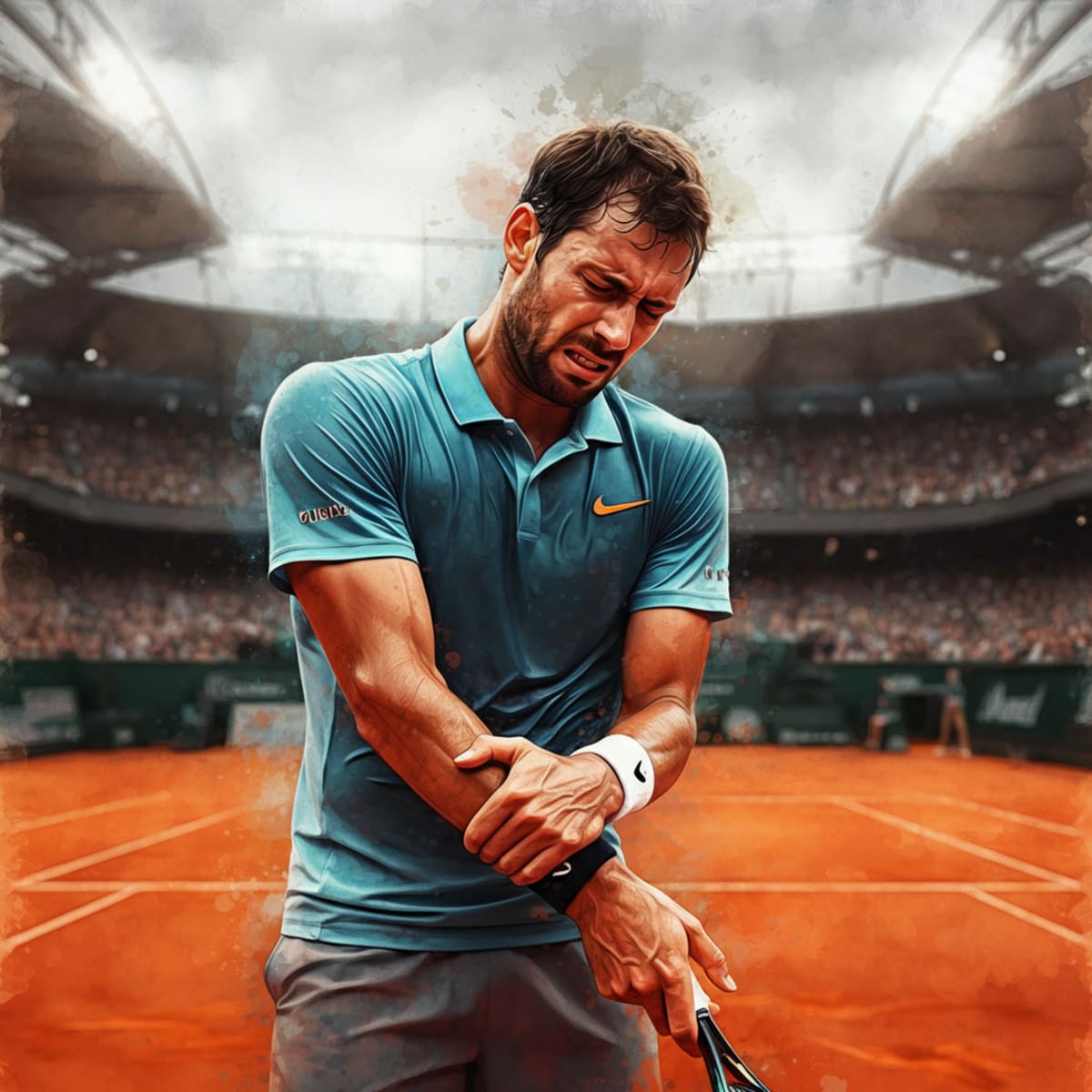
In the rarefied air of elite tennis, the transition from triumph to tribulation is often a matter of millimetres. Just days after joining the pantheon of luminaries like Roger Federer, Novak Djokovic, and Rafael Nadal as a winner of the Laureus World Sportsman of the Year, Carlos Alcaraz finds himself confronted with the inherent volatility of the human anatomy. The news of his withdrawal from the 2026 Barcelona Open and the Mutua Madrid Open due to a persistent right wrist injury serves as a sobering reminder that the kinetic chain is only as strong as its most taxed link.
Listen to the Second Serve Podcast
Get our daily AI-synthesized audio briefings and match reviews on the go.
The Laureus Honor and the Physical Tax
To be acknowledged as the Laureus World Sportsman of the Year is to be etched into the consciousness of sport on a global scale. Alcaraz, only the fourth player to achieve this distinction, has navigated the suffocating pressure of being the sport’s primary protagonist with a rare, joyful intensity. Yet, the physical cost of his explosive topspin and the sheer torque required to generate his signature, line-painting winners is beginning to impose a structural tax.
The wrist—that vital, intricate knot of ligaments and bones—must stabilize the racket face against the immense forces generated by his acceleration. When this mechanism falters, the fluid beauty of his game, which we have all come to admire, is replaced by the sterile silence of a training room. The wrist does not forgive, and it certainly does not negotiate.
This award marks a milestone, but the timing is cruelly dissonant. While the tennis world rightfully celebrates his ascent to this historical strata alongside legends like the ATP Tour elite, the shadow of clinical recovery currently looms larger than the shine of any trophy.
A Roland Garros Title Defense in Peril
The calendar, an unforgiving tyrant for every professional, offers no respite for the injured. With the Italian Open scheduled to commence on May 6, 2026, and the sacred red dirt of Roland Garros beckoning on May 24, the timeline for recovery is razor-thin. Alcaraz enters this period not as a challenger, but as the defending champion at both venues, a status that brings its own specific, psychological weight.
Defending a major title is an exercise in managing expectations and energy reserves; doing so with an compromised wrist is an exercise in extreme, calculated risk. Every groundstroke is a negotiation with potential pain, and every exchange at the net is a test of that joint's stability under the duress of competition.
The medical team, tasked with the delicate balance of rehabilitation versus the urgency of the tour, faces an unenviable decision. The prospect of Alcaraz arriving in Paris at anything less than peak functionality creates a vacuum in the draw—one that will be scrutinized by fans and rivals alike as the clay-court season accelerates toward its zenith.
What Carlos Alcaraz Plays With
Babolat Pure Aero 98
Babolat RPM Blast 1.30
Nike Vapor Pro 2
Analyze Carlos Alcaraz vs. Jannik Sinner
Predict tactical adjustments, momentum swings, and serve strategy options for this match-up using our AI simulator.
The Aces Tactical Panel
This report was curated and edited by Bhaskar Goel. Tactical analysis and technical insights were provided by our specialized panel of expert correspondents.
Julian Price
Senior Tactical Correspondent
Stuffy, pedantic British academic and historian specializing in match momentum and historical context.
Elena Cruz
Director of Analytical Research
Data scientist specializing in court surface physics and movement patterns.
Bhaskar
The Editor & Fan
Passionate tennis player and site editor bringing everyday amateur insights and relatable fan commentary.
Arthur Vance
Senior Existential Analyst
Deep, eccentric, and DFW-inspired. Models court metaphysics, kinetic beauty, and player psychology.
Leo Sterling
High-Performance Consultant
Hard-nosed ex-trainer from Melbourne with a no-nonsense view on tour fitness.