The Anatomy of an Uncertain Defense
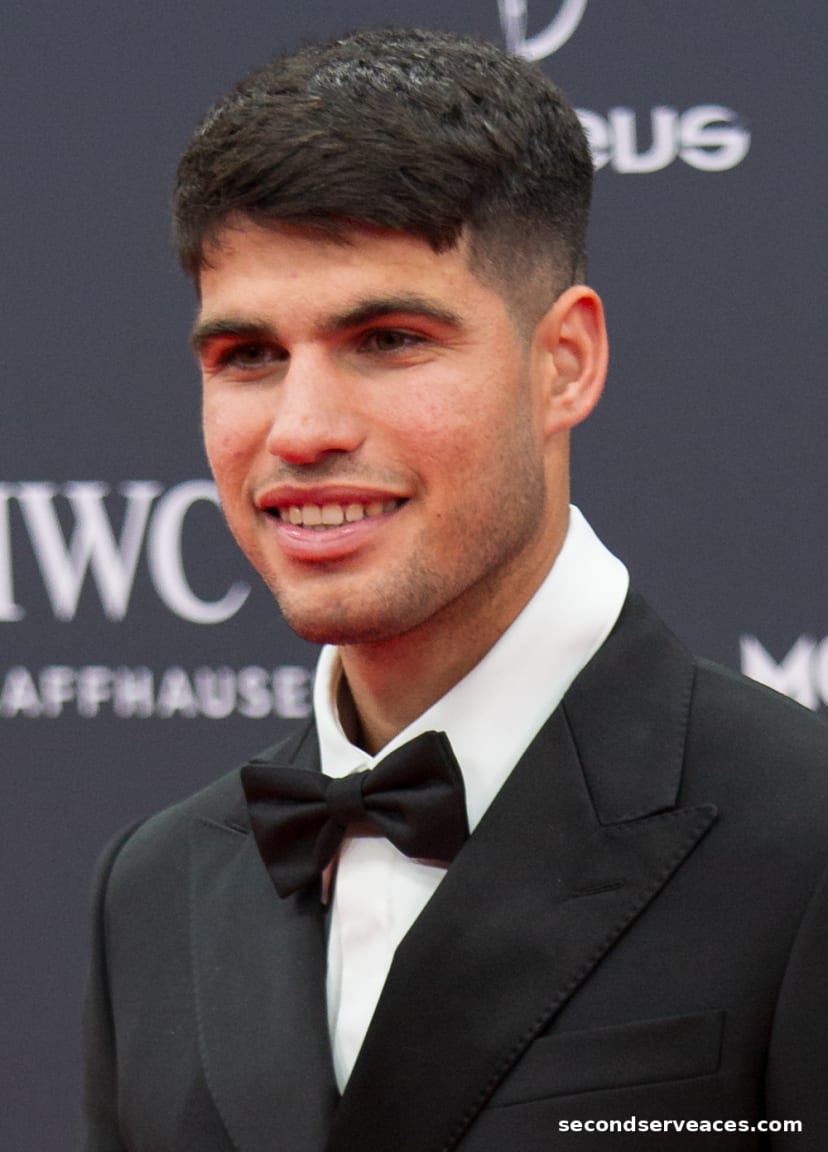
To watch Carlos Alcaraz is to witness the kinetic translation of pure, unbridled torque. His game relies on the violent, whip-like acceleration of the racquet head, a biomechanical marvel that demands absolute structural integrity from the wrist. Currently, that integrity is compromised. After withdrawing from both the Barcelona Open and the Madrid Open, the Spaniard finds his path to the French Open—which begins on May 24—shrouded in the silence of medical uncertainty.
Listen to the Second Serve Podcast
Get our daily AI-synthesized audio briefings and match reviews on the go.
The severity of a wrist injury in modern tennis cannot be overstated; it is the ultimate bottleneck for a player whose identity is built upon heavy, high-RPM topspin. Every forehand rotation, every flicked acute-angle pass, forces the tendons to manage the sheer magnitude of the ball’s contact force. When that mechanism fails, the entire tactical edifice of a two-time defending champion begins to tremble, irrespective of his current ranking.
This is not merely a question of rest, but of the existential dread that accompanies the removal of one's primary tool. Alcaraz, fresh from being crowned World Sportsman of the Year at the 2026 Laureus World Sports Awards, now faces the most sedentary stretch of his career. The frustration of missing crucial clay-court preparation time in Barcelona and Madrid is a psychological tax that may prove as heavy as the physical recovery itself.
The Shadow of the Australian Open Triumph
The contrast between his current isolation and the euphoric reality of earlier this year is stark. Only months ago, Alcaraz stood atop the podium at the Australian Open, having navigated the tactical labyrinth of a match against Novak Djokovic. That victory was a testament to his adaptability, his ability to grind through the mid-court exchanges and find the singular, decisive break point.
That Australian performance remains the gold standard for his current tactical ceiling. To replicate such a performance on the slow, unforgiving red dust of Paris requires a level of confidence in the joint that only a full, pain-free training cycle can provide. Without the reps at Madrid, his timing—the internal clock that dictates when to flatten out a shot and when to add that trademark lift—is essentially being forced into a cold restart.
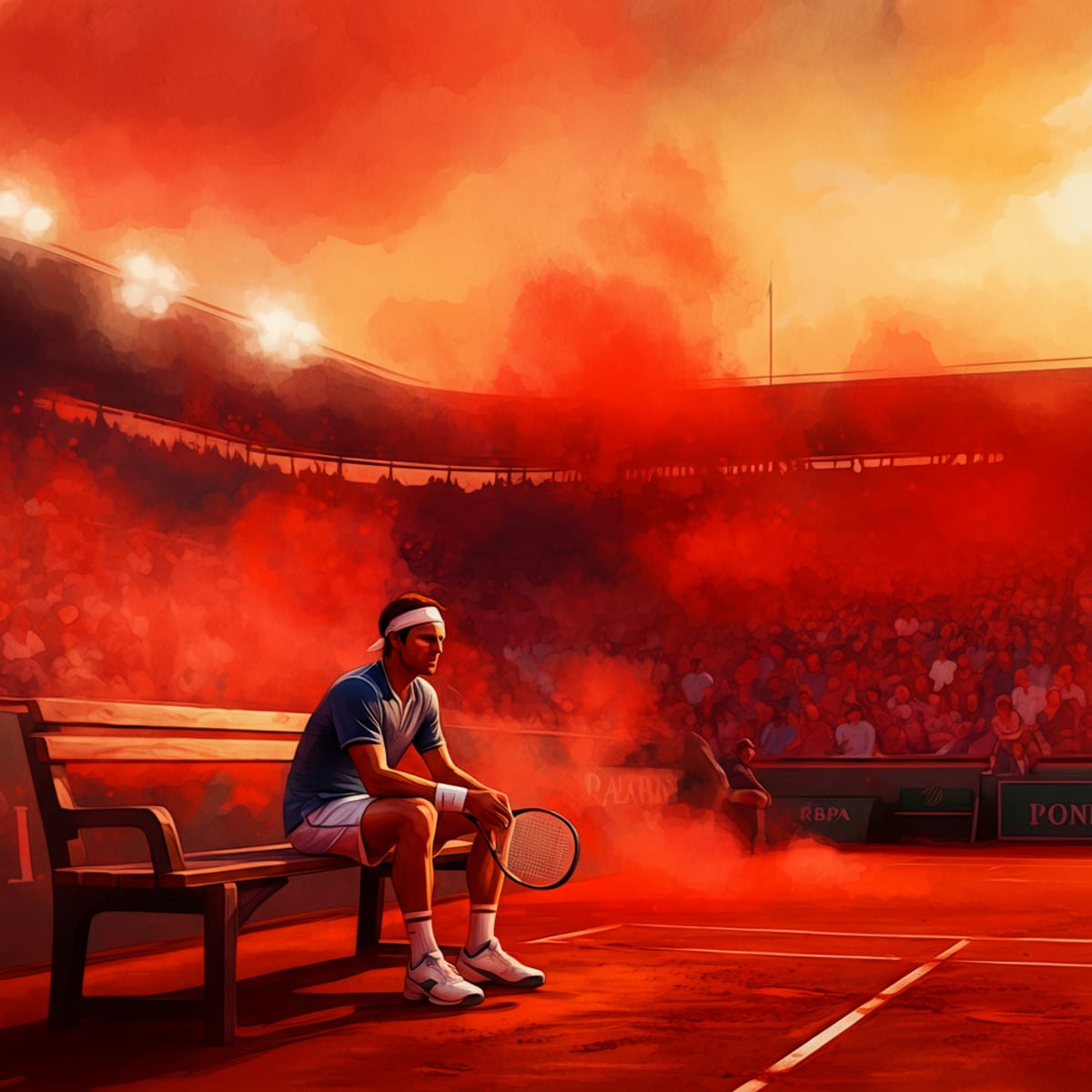
There is a cruel irony in the timing of his absence. Champions operate on rhythm, a metaphysical current that keeps the feet moving and the brain quiet. When the body dictates a hard stop, that flow is disrupted, replaced by the sterile, clinical environment of rehabilitation centers rather than the tactile, dirt-caked reality of a practice court.
The Siege of Paris and the Clock's Relentless March
As May 24 approaches, the tennis community is left to speculate on the viability of his defense. Roland-Garros is an environment that feeds on attrition, a place where the physical tax of back-to-back best-of-five matches acts as an ultimate filter for the unfit. If the wrist is not firing at 100% capacity, the ability to generate the necessary topspin to repel challengers becomes an insurmountable obstacle.
We are watching the intersection of elite athleticism and biological fallibility. The Alcaraz we saw earlier this year was a symphony of precision, but the upcoming weeks will require a different kind of strength: the patience of a man watching his favorite theater of war from the sidelines. The recovery timeline is tight, and the margin for error against a field that includes perennial threats like Jannik Sinner is effectively zero.
Whether he arrives in Paris with his mechanics restored or his resolve tested, the reality of the situation remains undeniable. He is in a race against the calendar. Tennis, in its most beautiful and brutal form, cares little for previous honors or recent trophies when the match momentum begins to swing against a compromised opponent.
What Carlos Alcaraz Plays With
Babolat Pure Aero 98
Babolat RPM Blast 1.30
Nike Vapor Pro 2
Analyze Carlos Alcaraz vs. Jannik Sinner
Predict tactical adjustments, momentum swings, and serve strategy options for this match-up using our AI simulator.
The Aces Tactical Panel
This report was curated and edited by Bhaskar Goel. Tactical analysis and technical insights were provided by our specialized panel of expert correspondents.
Julian Price
Senior Tactical Correspondent
Stuffy, pedantic British academic and historian specializing in match momentum and historical context.
Elena Cruz
Director of Analytical Research
Data scientist specializing in court surface physics and movement patterns.
Bhaskar
The Editor & Fan
Passionate tennis player and site editor bringing everyday amateur insights and relatable fan commentary.
Arthur Vance
Senior Existential Analyst
Deep, eccentric, and DFW-inspired. Models court metaphysics, kinetic beauty, and player psychology.
Leo Sterling
High-Performance Consultant
Hard-nosed ex-trainer from Melbourne with a no-nonsense view on tour fitness.