A Season Interrupted in the Barcelona Sun
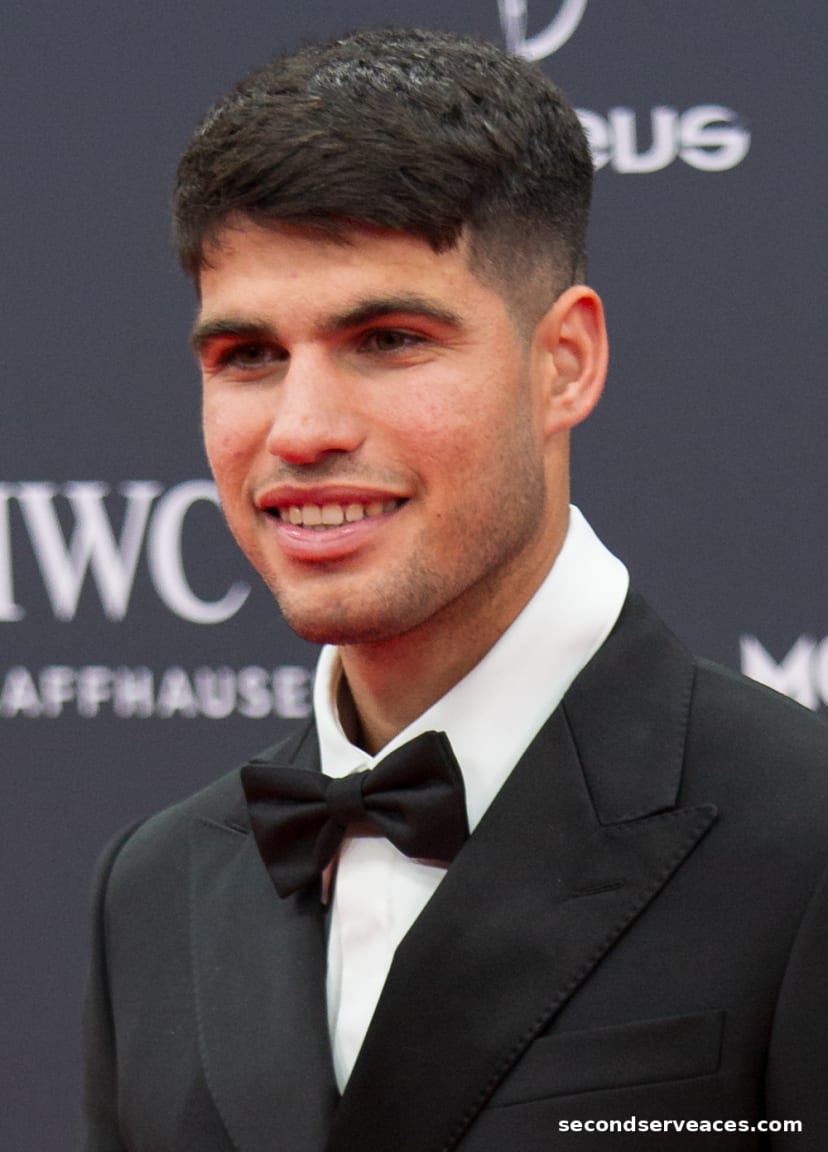
Tennis is a sport that doesn't care about your promise or your past accolades. It only cares about the next ball you strike. For Carlos Alcaraz, the momentum that felt inevitable has hit a jagged wall. The injury that emerged during his quarter-final battle against Arthur Fils at the Barcelona Open wasn't just a fleeting discomfort; it was a signal that the machine needed to stop.
Listen to the Second Serve Podcast
Get our daily AI-synthesized audio briefings and match reviews on the go.
To pull out of the Italian Open and the grand stage at Roland Garros is the kind of decision that haunts a competitor. It’s a choice between forcing a hand that isn't ready and sacrificing the long game for a desperate, short-term gamble. Alcaraz has chosen the long game, but the cost is a massive chunk of his competitive calendar.
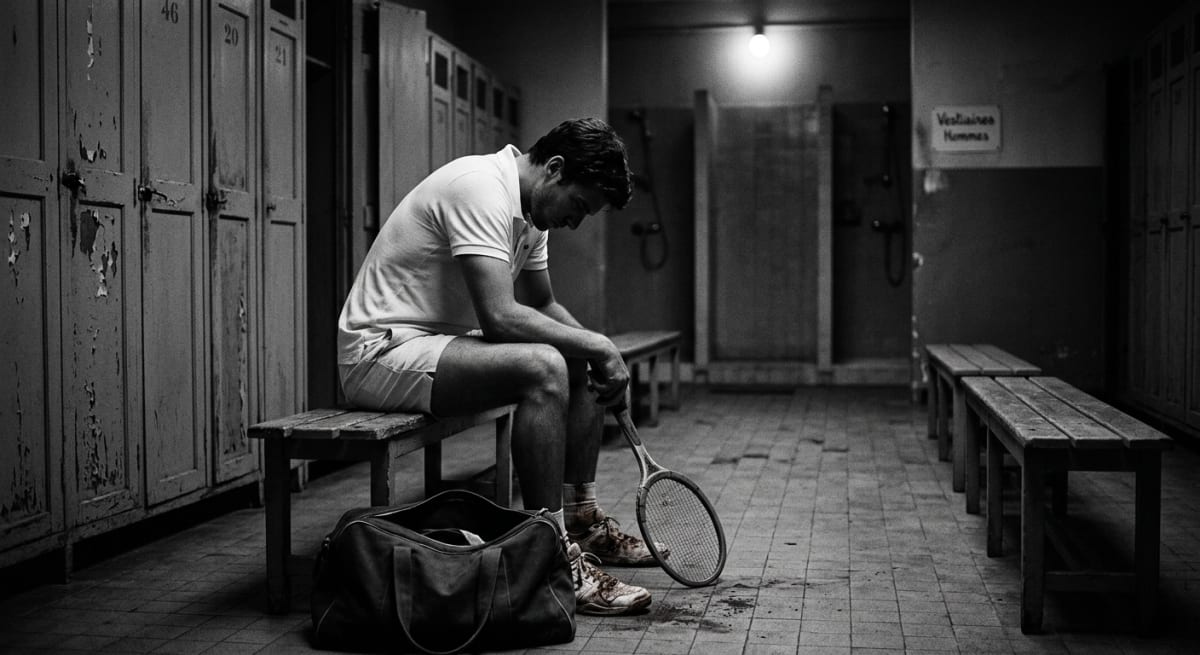
We see the headlines and think about the trophies, but rarely do we see the frustration of the training room. When you're used to the explosive movement that defines the modern game, being forced into a stationary recovery is a different kind of torture. There is no rhythm here, only the tedious reality of rehabilitation while the rest of the tour moves on without you.
The Rankings Gap and the Sinner Surge
While Alcaraz sits in the quiet of his recovery, the ATP rankings table tells a story of an opportunity seized by his rival. Jannik Sinner has been playing a different sport lately. With titles at the Paris Masters, Indian Wells, Miami, and the Monte-Carlo Masters, he hasn't just been winning; he’s been methodical, clinical, and relentless.
The 440-point lead Sinner currently holds over Alcaraz is more than just a number; it’s a momentum shift that changes the entire complexion of the tour. In tennis, you don't stay in place. You are either chasing or being chased. By taking himself out of the mix until the grass-court season at Queen's, Alcaraz is handing the keys to the kingdom to Sinner, allowing him the breathing room to further consolidate his grip on the top tier.
This is the mental grind of the professional circuit. You watch the draws, you look at the matches you aren't playing in, and you hope your body holds up when you finally return. For a player like Alcaraz, whose entire identity is built on an high-octane physical output, this period away from the court is the ultimate test of patience.
The Calculated Wait Until Queen’s
We are looking at a hiatus that extends well into June. The decision to skip the clay-court swing, arguably the most grueling physical challenge on the schedule, suggests a focus on preservation rather than participation. It is a mature move, but one that leaves a void at the top of the draw.
The field has been waiting for an opening. Players like Daniil Medvedev and Alex de Minaur now have a clearer path, though the shadow of Sinner’s recent form looms large over every stadium. The hierarchy of the tour is shifting, and while we wait for Alcaraz to return, we are forced to reckon with a landscape where the Spaniard is no longer the center of gravity.
When he returns at Queen's, the tour will look different. He will be playing catch-up, not just in the rankings, but in the rhythm of match-play that defines the elite. There is no substitute for the pressure of a third-set tiebreak, and having been away for weeks, the rust will be his first opponent.
The Human Element of Physical Sacrifice
People look at these athletes as icons, but they are flesh and blood susceptible to the repetitive stresses of a brutal sport. The mention of Rafael Jodar and the wider fraternity of the ATP reminds us that every player is one bad landing or one overextended swing away from a forced departure.
The narrative isn't about weakness; it’s about the reality of the profession. We glorify the winners, but the real story often lies in those who have the strength to put the racket down when the body screams for mercy. It is the most difficult thing a high-performance athlete can do.
As the tour turns toward the Parisian clay, the absence of a force like Alcaraz will be felt. The fans want the rivalries, the fire, and the high-speed exchanges. Until he returns, we are left to analyze the void and watch how the others—especially Sinner—negotiate the pressure of being the new point of focus.
What Carlos Alcaraz Plays With
Babolat Pure Aero 98
Babolat RPM Blast 1.30
Nike Vapor Pro 2
Analyze Carlos Alcaraz vs. Arthur Fils
Predict tactical adjustments, momentum swings, and serve strategy options for this match-up using our AI simulator.
The Aces Tactical Panel
This report was curated and edited by Bhaskar Goel. Tactical analysis and technical insights were provided by our specialized panel of expert correspondents.
Julian Price
Senior Tactical Correspondent
Stuffy, pedantic British academic and historian specializing in match momentum and historical context.
Elena Cruz
Director of Analytical Research
Data scientist specializing in court surface physics and movement patterns.
Bhaskar
The Editor & Fan
Passionate tennis player and site editor bringing everyday amateur insights and relatable fan commentary.
Arthur Vance
Senior Existential Analyst
Deep, eccentric, and DFW-inspired. Models court metaphysics, kinetic beauty, and player psychology.
Leo Sterling
High-Performance Consultant
Hard-nosed ex-trainer from Melbourne with a no-nonsense view on tour fitness.