The Physical Toll of the European Swing
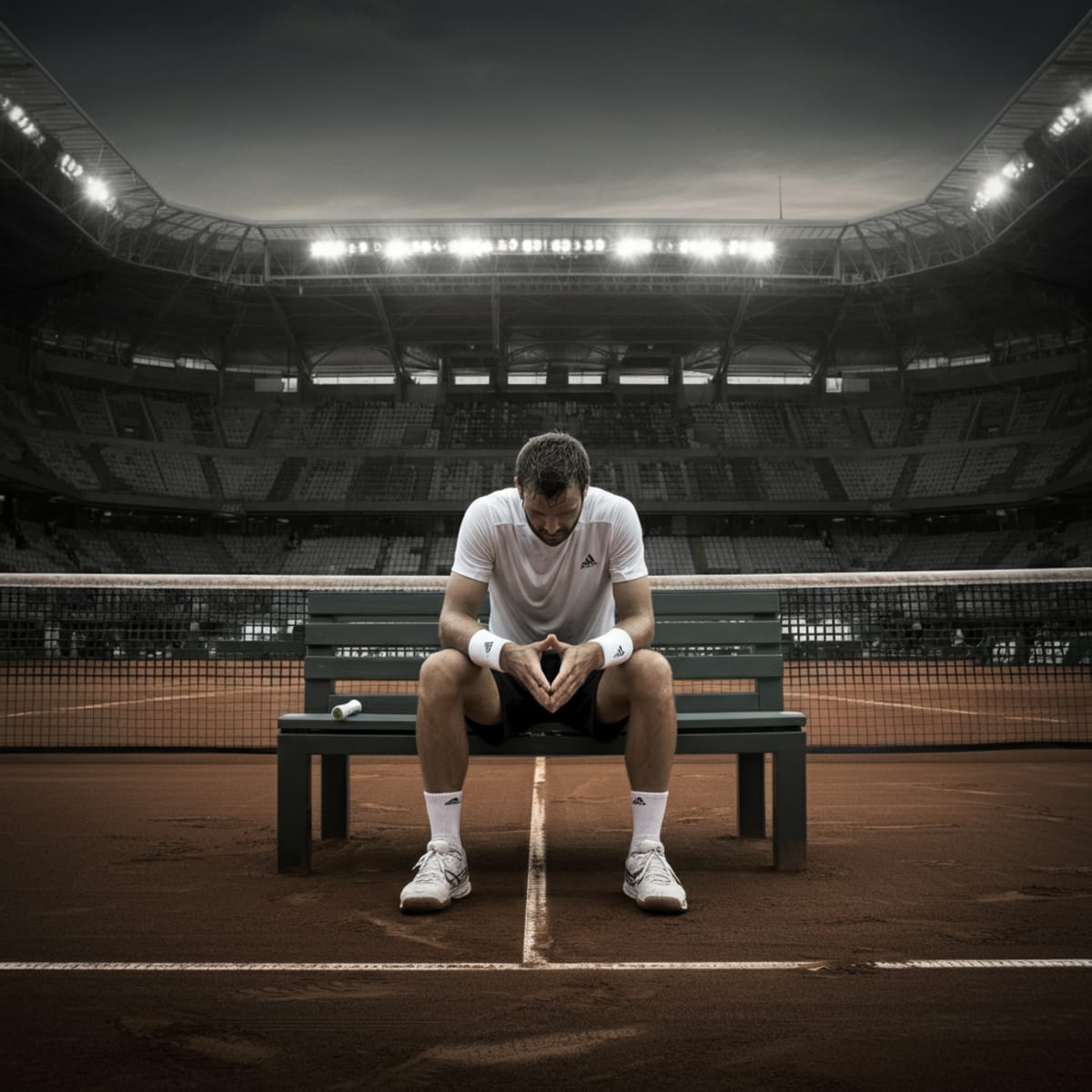
Tennis is a brutal game of attrition, a high-stakes chess match where the body is the primary casualty. We are currently witnessing a sobering reality at the Madrid Open, where the draw has been gutted by injuries. The grit and the grind of the transition to red dirt exact a physical tax that even the most disciplined elite athletes cannot always outrun.
Listen to the Second Serve Podcast
Get our daily AI-synthesized audio briefings and match reviews on the go.
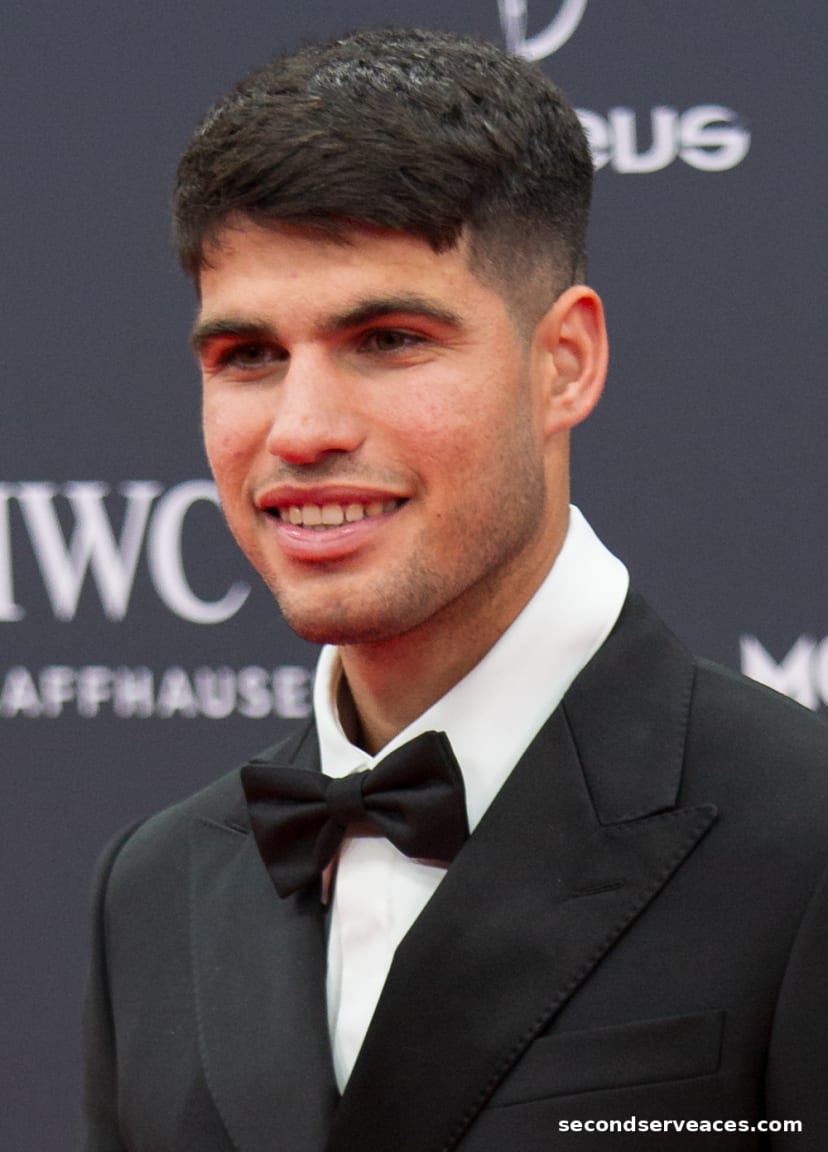
Carlos Alcaraz, the two-time defending champion who claimed titles here in 2022 and 2023, has officially pulled out of the tournament. The wrist injury he sustained at the Barcelona Open proved too severe to risk on the demanding Madrid surface. When you play with the kind of explosive, heavy-topspin intensity that Alcaraz brings to every point, the wrists and shoulders are the first to cry for mercy.
He isn't alone in this exodus. The tournament's integrity is being tested as the top of the ATP rankings is essentially hollowed out for this stretch. It is a reminder that these players are not machines, despite how often we demand they perform like them. The proximity of the Rome Masters, which starts on May 6, likely plays into these difficult, conservative decisions regarding long-term health.
Djokovic and the Cumulative Weight of a Season
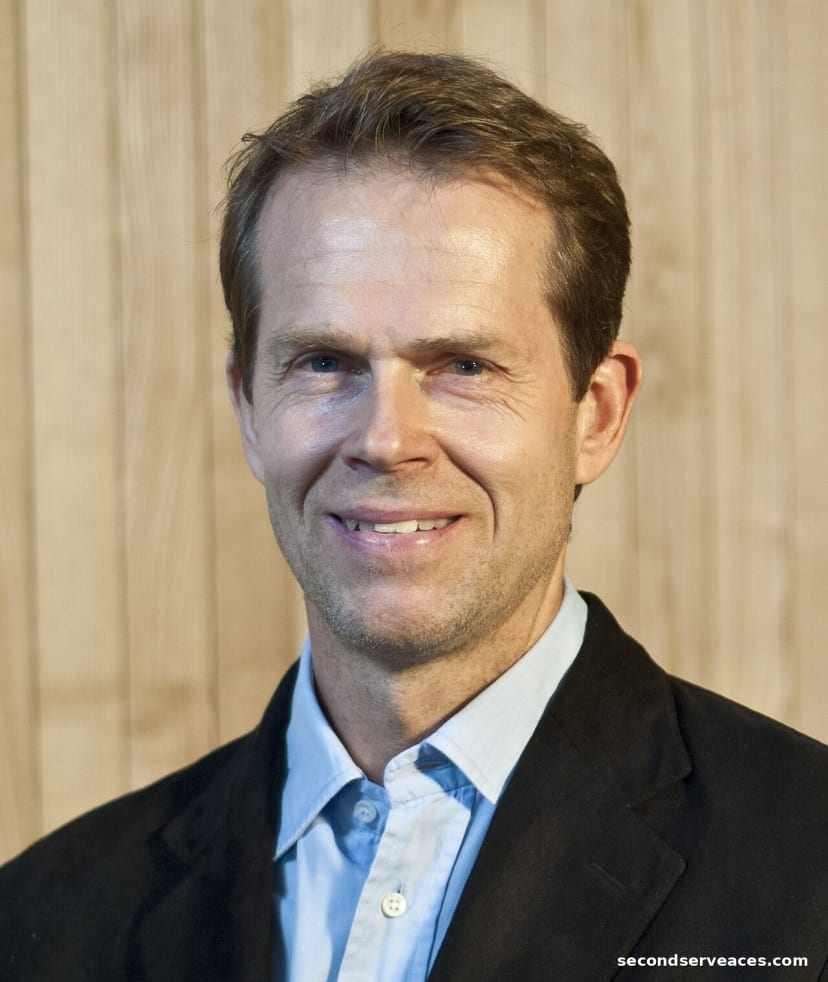
The absence of Novak Djokovic further underscores the difficulty of maintaining peak form. His withdrawal, citing a right shoulder injury sustained back at the Indian Wells Masters, shows just how long these micro-traumas linger in the modern era of the sport. A shoulder injury in tennis is rarely a singular event; it is a cumulative reaction to thousands of serves and heavy cross-court rallies.
We often talk about the mental fortitude of champions, but there is also a quiet, strategic intelligence in knowing when to walk away to live for another day. Djokovic has been managing his schedule with clinical precision, yet even his legendary recovery protocols have been pushed to their limits. Watching the draw fluctuate like this reminds us that the calendar is unrelenting.
Without these pillars of the tour, the vacuum in the bracket creates a strange, unsettled atmosphere. The path for the remaining field is wide open, but the prestige of the event feels different when the usual suspects are absent. Every player who remains must now navigate a tournament that looks entirely different than the one they prepared for weeks ago.
The Rising Cost of Youthful Ambition
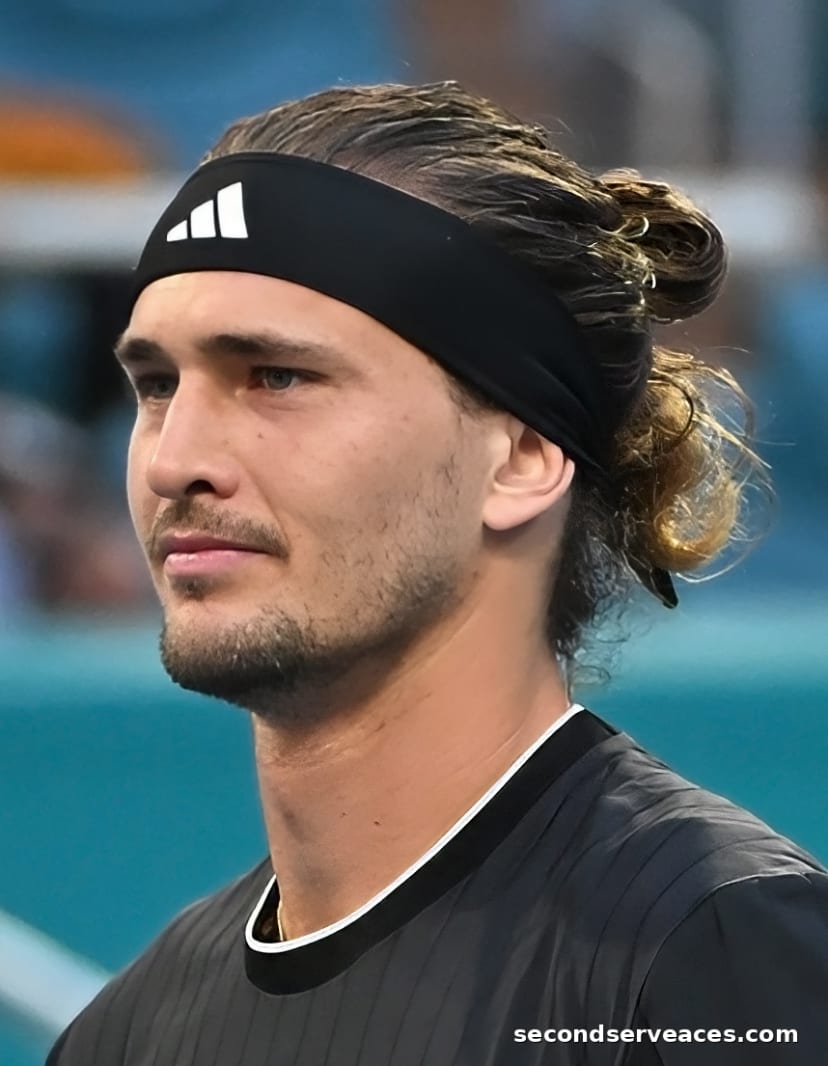
The injury bug hasn't been selective. Holger Rune is also among the notable absences, still sidelined by an ACL injury that dates back to the Stockholm Open last year. It is a cautionary tale for the younger generation of players—the intensity of the tour does not offer a grace period for recovery. Sustaining high-level competition while managing structural damage is a fool's errand.
As the tour shifts its focus toward the culmination of the clay season, these absences dictate the narrative. We are left looking at the physical durability of those who remain, rather than just their backhand speed or second-serve percentage. Fitness has always been the baseline for greatness, but this season, it is becoming the ultimate barrier to entry.
The tournament, scheduled to conclude on May 3, will be a test of depth. For the players left standing, this isn't just about winning a trophy; it's about navigating the wreckage of a tour that is currently running on fumes. The mental grind is no longer just about beating the opponent across the net—it is about keeping your own frame from shattering under the pressure of the schedule.
Reframing the Narrative for the Rome Masters
Looking ahead to the upcoming stop in Rome, the question remains: how many of these athletes will be fit for the final stretch? The calendar is a series of dominoes, and when one falls, the rest of the season feels the vibration. We are observing a fundamental shift in how the top players prioritize their health over chasing ranking points at every available venue.
This reality is the 'open book' nature of rivalries—sometimes, your greatest adversary isn't the man or woman standing across the baseline. It’s the inflammation, the fatigue, and the warning signs that your body sends when the workload exceeds the output. The sport continues, but the missing faces leave a silence that the crowd will surely feel throughout the week.
Ultimately, these withdrawals are a necessary recalibration. Fans want to see the best, but the best must be able to move, to strike, and to fight without the looming threat of long-term structural failure. The Madrid Open will crown a winner, but the true story of this week is the resilience of those waiting in the shadows, hoping to step into the light vacated by the injured icons.
What Carlos Alcaraz Plays With
Babolat Pure Aero 98
Babolat RPM Blast 1.30
Nike Vapor Pro 2
Analyze Carlos Alcaraz vs. Jannik Sinner
Predict tactical adjustments, momentum swings, and serve strategy options for this match-up using our AI simulator.
The Aces Tactical Panel
This report was curated and edited by Bhaskar Goel. Tactical analysis and technical insights were provided by our specialized panel of expert correspondents.
Julian Price
Senior Tactical Correspondent
Stuffy, pedantic British academic and historian specializing in match momentum and historical context.
Elena Cruz
Director of Analytical Research
Data scientist specializing in court surface physics and movement patterns.
Bhaskar
The Editor & Fan
Passionate tennis player and site editor bringing everyday amateur insights and relatable fan commentary.
Arthur Vance
Senior Existential Analyst
Deep, eccentric, and DFW-inspired. Models court metaphysics, kinetic beauty, and player psychology.
Leo Sterling
High-Performance Consultant
Hard-nosed ex-trainer from Melbourne with a no-nonsense view on tour fitness.