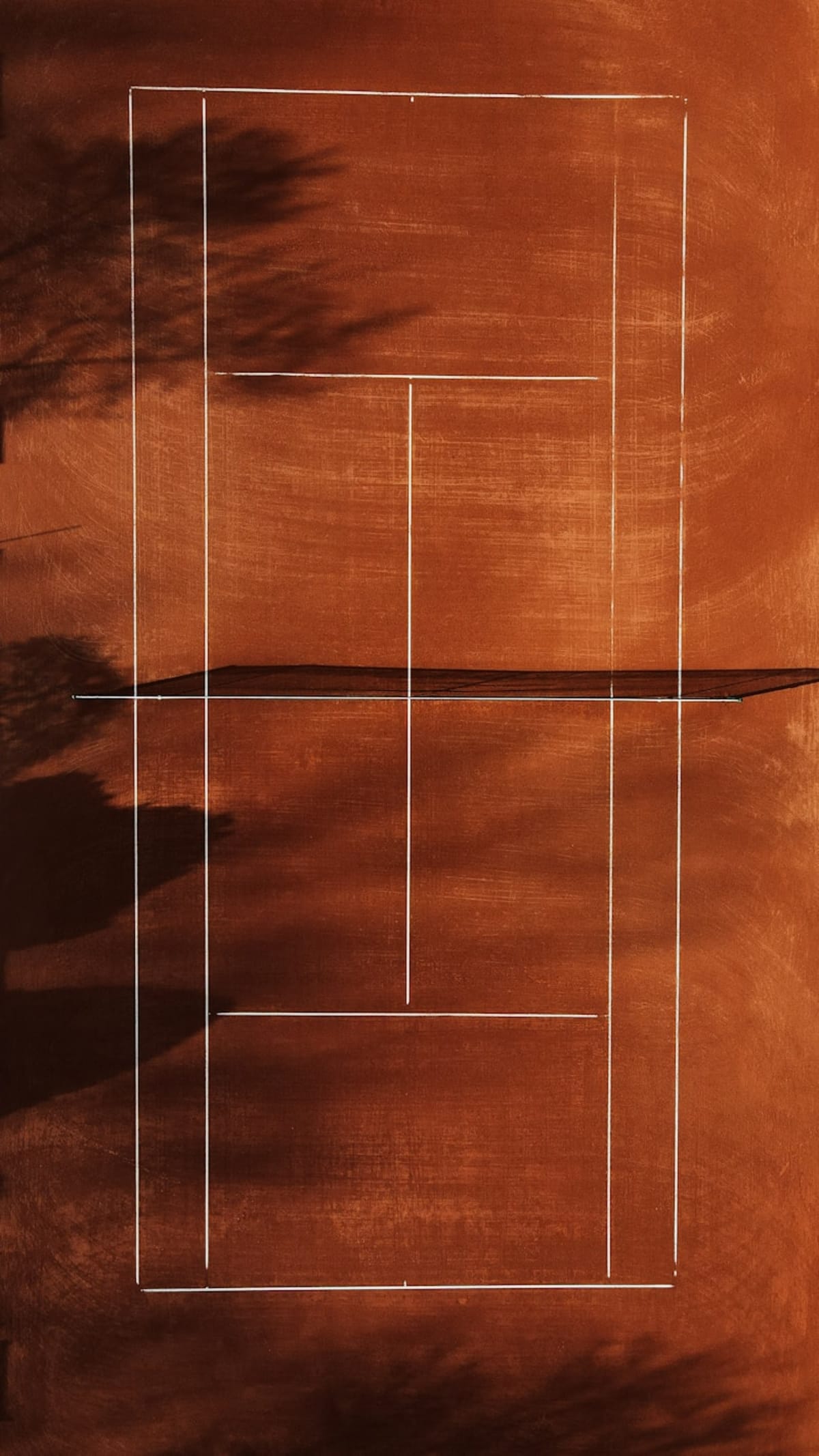
An empty court in Paris: The 2026 French Open loses its brightest star to injury.
A Silence Where the Roar Should Be
The red dirt of Roland-Garros always demands a toll, but this season, the tax has been collected before the first ball has even been struck in anger. Carlos Alcaraz, the golden boy of Murcia and the youngest man to ever hoist the trophies of a full career grand slam, has announced his withdrawal from the 2026 French Open and the prestigious Internazionali BNL d'Italia. A lingering wrist issue has silenced his heavy, spin-loaded forehand, leaving the ATP field navigating a horizon that suddenly looks remarkably open.
In the world of tennis, where rhythm is religion, a wrist injury is the ultimate sacrilege. For a player like Alcaraz, whose game relies on explosive racket head speed and the ability to whip the ball at acute angles, the wrist is the engine room. Without that snap, the heavy topspin that forces opponents to scramble deep behind the baseline simply cannot be manufactured with the same punishing efficiency.
The impact of this absence ripples through the ATP Tour like a pebble tossed into a tranquil pond. With Alcaraz sidelined, the narrative of the French Open shifts from a coronation to a scramble. We are left looking toward the veterans who understand the nuances of the five-set grind and the young guns who have been waiting in the wings for a door to be kicked open.
The Elder Statesman and the Young Guard
While the lights dim on the defending champion, all eyes inevitably turn to the enduring ghost of the sport, Novak Djokovic. At 39, he enters the gates of Roland-Garros with his sights set on an unthinkable 25th major title. The endurance of Djokovic remains the most confounding variable in tennis history; he is a man who treats the calendar like a suggestion rather than a command.
Behind the legend, the landscape is shifting. Jannik Sinner has been the defining force of the opening months, securing the first three Masters titles of the 2026 season with a clinical, unyielding precision. His ability to flatten the ball and dictate through the middle of the court provides a stark contrast to the clay-court artistry we usually associate with this time of year.
However, the infirmary is crowded. The news of Alcaraz’s withdrawal comes alongside reports that Jack Draper is battling a knee injury that clouds his own participation. The physical toll on the modern athlete is becoming a central character in this tournament's story. Whether it is the grit required to move on the sliding surface or the repetitive stress of the modern power game, the health of the field is currently more fragile than a glass racket.
A Legacy of Physicality Under Fire
One cannot help but reflect on the ghosts of tournaments past. We have seen the likes of Rafael Nadal, Roger Federer, and Juan Martin del Potro all grapple with the fine line between greatness and the wear-and-tear of the tour. The injury to Alcaraz serves as a grim reminder that even the most well-oiled machines require maintenance in a sport that never stops.
The tactical fallout will be immense. Without Alcaraz’s ability to pull opponents out of their comfort zones with the drop shot-heavy, topspin-rich blueprint, the court positioning of his rivals will change. We expect to see more of the baseline attrition that defined the eras of old, with players like Alexander Zverev, Flavio Cobolli, and Arthur Fils likely to adjust their court coverage to compensate for the missing pressure.
As we approach the start of the tournament, the conversation moves from 'who can beat the favorite' to 'who is left standing.' The field is flush with hungry talent—Jakub Mensik, Ben Shelton, and Jiri Lehecka among them—all of whom have tasted the intensity of the big stages. But in the shadow of these injuries, the victor at this year's French Open will need more than just a powerful serve or a sharp backhand; they will need the constitution to survive a fortnight where the attrition rate is as high as the baseline bounce.
The Changing of the Guard Deferred
This tournament now lacks the man who was essentially carrying the torch for the post-Federer/Nadal era. With the withdrawal confirmed, the ATP ranking points at stake become a survival game. It is a stark reminder of how thin the margin is between dominance and the sidelines.
We are watching a transition that is far from smooth. The sport has become faster, the training more intense, and the body’s limits are tested every time a player digs their shoes into the red dust to change direction. The absence of the young Spaniard is a blow to the spectacle, but for the rest of the tour, it is an invitation to write a new chapter.
Whether we see a veteran triumph through guile or a challenger emerge through raw, unbridled aggression, the 2026 French Open will be defined by the stories of those who managed to navigate the physical demands of the surface. The clay does not forgive, and it certainly does not wait for the stars to heal.
The Aces Tactical Panel
This report was curated and edited by Bhaskar Goel. Tactical analysis and technical insights were provided by our specialized panel of expert correspondents.
Julian Price
Senior Tactical Correspondent
Distinguished British academic and historian specializing in match momentum.
Elena Cruz
Director of Analytical Research
Data scientist specializing in court surface physics and movement patterns.
Marcus Thorne
Global Tour Insider
Veteran reporter with deep ties to the global ATP/WTA locker rooms since '98.
Arthur Vance
Technical Equipment Analyst
Former club player obsessed with technical specs, racket tension, and underdog grit.
Leo Sterling
High-Performance Consultant
Hard-nosed ex-trainer from Melbourne with a no-nonsense view on tour fitness.