The Barcelona Origin of a Season-Defining Setback
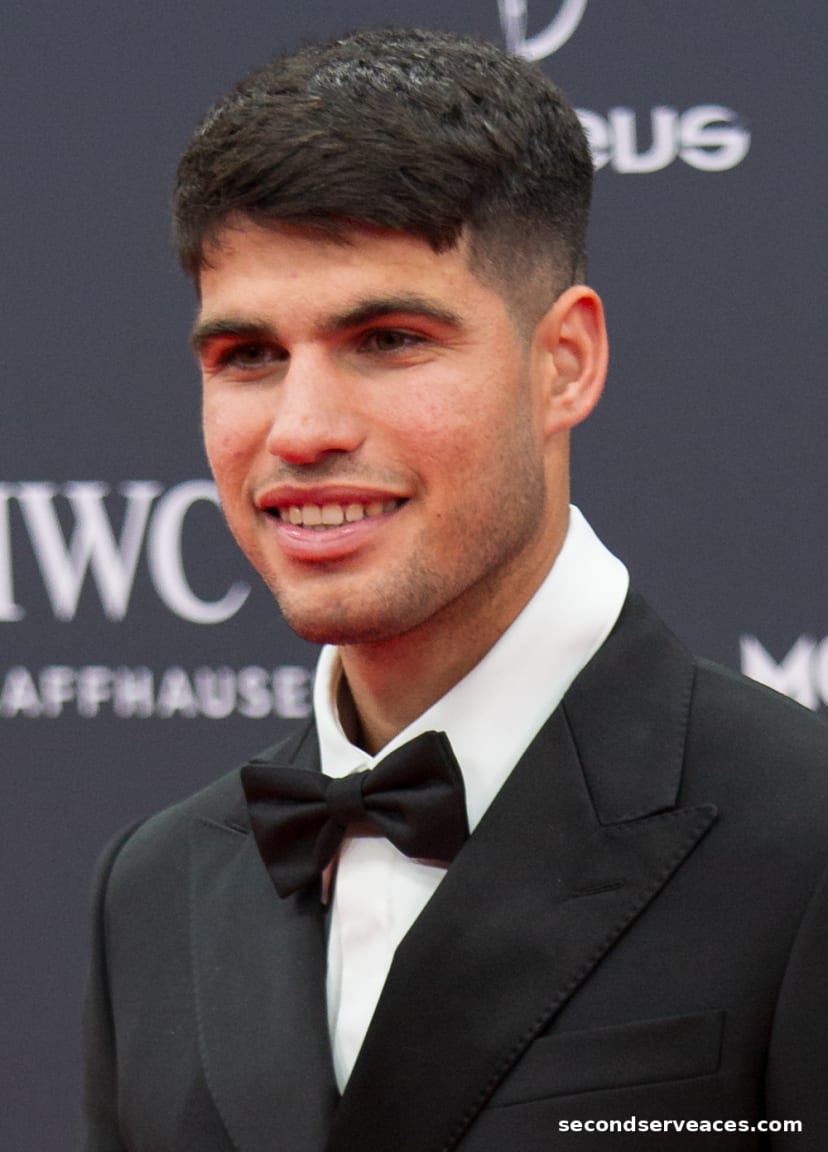
The machinery of the ATP Tour relies on the delicate, precise mechanics of the world's top athletes, and right now, the gears have ground to a halt for Carlos Alcaraz. Sustaining a right wrist injury during his opening-round match at the Barcelona Open earlier this month has proven to be far more than a momentary lapse in physical health; it is a structural failure that has forced the Spaniard to pull his name from the entry lists for both the Italian Open and the upcoming French Open.
Listen to the Second Serve Podcast
Get our daily AI-synthesized audio briefings and match reviews on the go.
For a player who relies on heavy, high-velocity topspin and whip-like forehand acceleration, the integrity of the wrist is paramount. When that joint is compromised, the kinetic chain from the legs through the torso to the racquet head is disrupted, rendering his primary weapon—the heavy, offensive forehand—tactically neutralized. This is not merely a rest-and-recover situation; it is a recalibration of his entire seasonal strategy.
The timeline of this injury suggests that even with elite medical intervention, the demands of back-to-back clay court Masters 1000 and Grand Slam events are untenable. By bowing out now, the world No. 2 is making a cold, calculated decision to prioritize long-term structural health over the immediate prestige of the European clay swing.
The Tactical Void in the ATP Power Structure
With Alcaraz absent from the draw, the landscape of the ATP rankings undergoes an immediate, jarring shift. His status as the current world No. 2, bolstered by his stellar start to the year including a victory over Novak Djokovic at the Australian Open, meant he was the clear favorite to dictate play from the baseline. Without his ability to scramble and convert defensive positions into offensive opportunities, the remaining field must adjust their own tactical approach to the clay surface.
The absence of such a high-level competitor changes the math of every draw. Players who rely on deep-court coverage and consistent lateral movement are now looking at a bracket with significantly reduced pressure on their service games. The volatility of the clay court, which typically amplifies Alcaraz's specific skill set—his ability to shorten points with drop shots and sudden redirection—is now open for other members of the tour to exploit.
We are looking at a fundamental shift in momentum heading into late May. The top tier of the ATP Tour is often defined by the presence of these generational talents, and when one vanishes, the defensive patterns that usually stifle opponents are suddenly absent. The scramble for ranking points during this specific block of the calendar becomes an unpredictable vacuum.
Revisiting the Kinetic Demands of Elite Clay Play
Clay court tennis is a game of patience, torque, and structural endurance. When the wrist is not firing correctly, the ability to control the ball's trajectory against the surface's natural friction is compromised. For Alcaraz, whose game is built on aggressive, high-RPM groundstrokes, the injury effectively removes his ability to 'dig out' of corners or drive through the ball on a defensive slide.
The medical reality of a right wrist injury at this level is restrictive. Even a ten-percent drop in grip strength or stability drastically alters the impact point and, subsequently, the margin for error. On the slow, red clay, where rallies are extended and physical attrition is a key factor, playing through such a mechanical deficiency would likely have led to further compensatory injuries in the shoulder or elbow.
By withdrawing before the Italian Open begins on May 6, Alcaraz avoids the compounding damage that can occur when a player attempts to compensate for a wrist deficit during high-intensity matches. It is a mature, albeit frustrating, decision that acknowledges the reality of professional high-performance sport—sometimes the most significant tactical adjustment is knowing when to step off the court.
The Path Forward in a Condensed Calendar
With the French Open looming on May 18, the conversation turns to the recovery timeline. The current status of the ATP world rankings will undoubtedly fluctuate as other contenders capitalize on this opening. We have seen Jannik Sinner and other top seeds navigating their own paths, but the presence of the Spaniard was the anchor for the season’s narrative arc.
This injury represents a significant disruption to his planned cadence. Professional tennis is a game of rhythm; taking weeks away to heal a delicate joint like the wrist means an athlete must re-acclimate to the court speed and bounce variations all over again. There is no shortcut back to the specific touch required for high-level competition.
As we monitor the upcoming weeks, the focus will be on who steps into the power vacuum created by his absence. For now, the tour must move forward, and Alcaraz must transition from the thrill of the match to the discipline of the recovery room. The clay season moves on, but the dynamic of the draw has been rewritten by this single, unfortunate mechanical setback.
What Carlos Alcaraz Plays With
Babolat Pure Aero 98
Babolat RPM Blast 1.30
Nike Vapor Pro 2
Analyze Carlos Alcaraz vs. Novak Djokovic
Predict tactical adjustments, momentum swings, and serve strategy options for this match-up using our AI simulator.
The Aces Tactical Panel
This report was curated and edited by Bhaskar Goel. Tactical analysis and technical insights were provided by our specialized panel of expert correspondents.
Julian Price
Senior Tactical Correspondent
Stuffy, pedantic British academic and historian specializing in match momentum and historical context.
Elena Cruz
Director of Analytical Research
Data scientist specializing in court surface physics and movement patterns.
Bhaskar
The Editor & Fan
Passionate tennis player and site editor bringing everyday amateur insights and relatable fan commentary.
Arthur Vance
Senior Existential Analyst
Deep, eccentric, and DFW-inspired. Models court metaphysics, kinetic beauty, and player psychology.
Leo Sterling
High-Performance Consultant
Hard-nosed ex-trainer from Melbourne with a no-nonsense view on tour fitness.