A Conspicuous Absence in the Catalan Spring
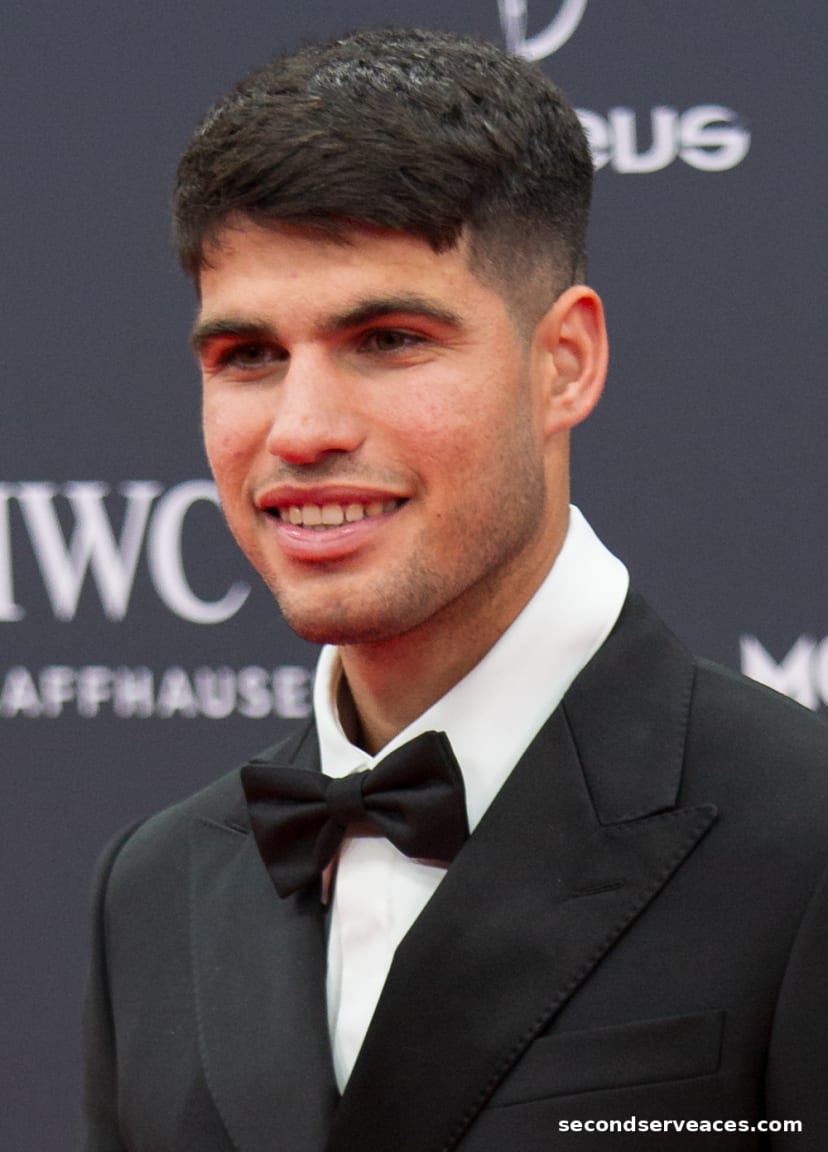
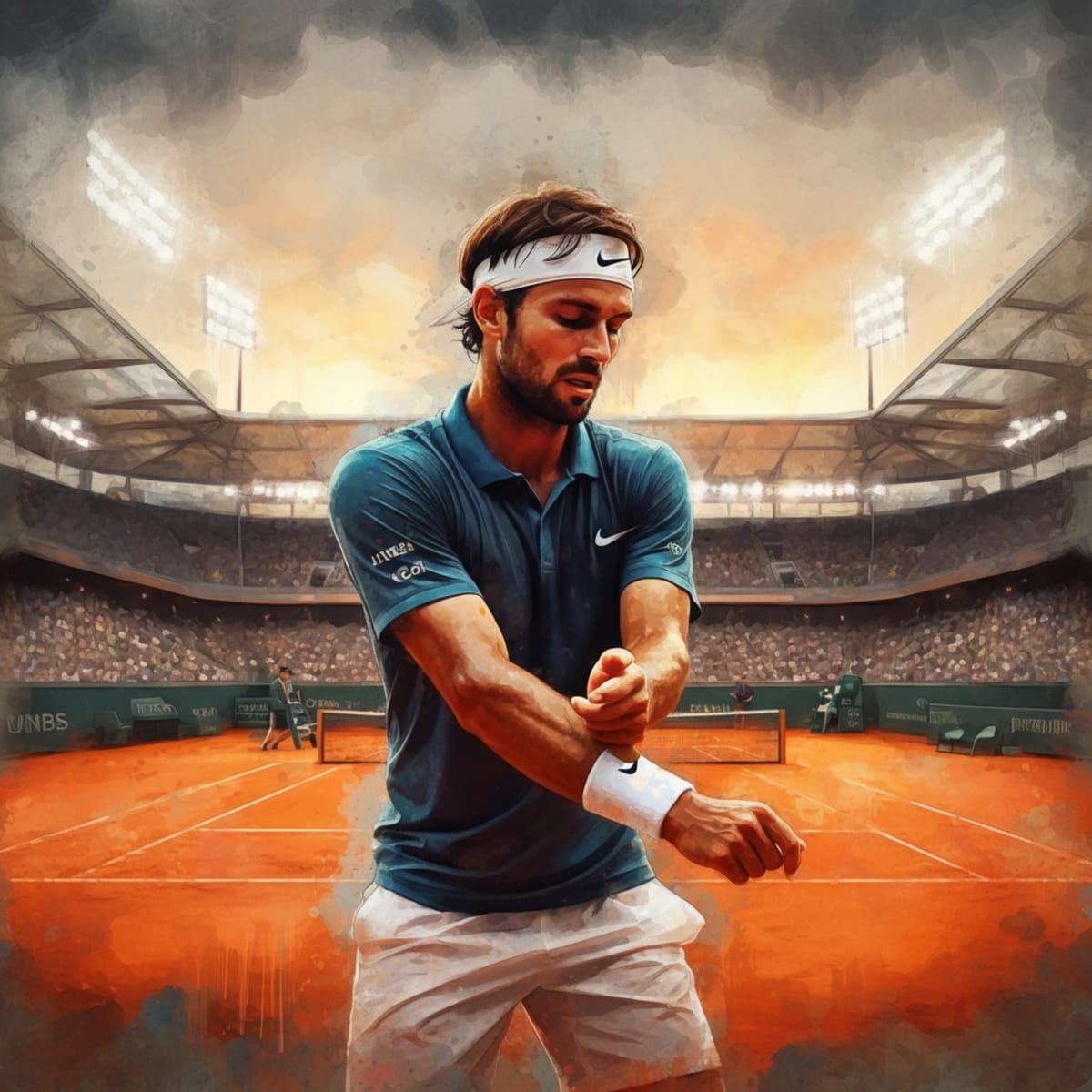
The ATP Tour arrives at the Barcelona Open with a distinct, hollow resonance this year. Carlos Alcaraz, a figure whose kinetic style often seems to defy the rigid Euclidean geometry of the baseline, has been forced into a tactical withdrawal due to a persistent wrist injury. It is a sobering reminder that even the most prodigiously gifted athletes exist at the mercy of their own biological infrastructure.
Listen to the Second Serve Podcast
Get our daily AI-synthesized audio briefings and match reviews on the go.
This development arrives in the immediate wake of his arduous journey through the Monte-Carlo Masters. The transition from the high-octane environment of Monte-Carlo to the familiar red dust of Barcelona requires a seamless physical integrity that, in this instance, has proven elusive. The wrist, a complex fulcrum of ligaments and tendons, acts as the primary conduit for his devastating topspin—a shot that demands violent, repeated deceleration.
To witness Alcaraz sidelined is to acknowledge the sheer physical tax extracted by modern professional tennis. His trajectory, which includes 11 career titles on clay surfaces, suggests a player whose relationship with the dirt is as much about structural mastery as it is about competitive instinct. When that connection is interrupted by the necessity of healing, the sport itself seems to pause, waiting for the return of his specific, high-velocity brand of chaos.
The Weight of the 2024 and 2025 Roland Garros Crowns
Context is essential when evaluating the stakes of this withdrawal. Having secured the championship at Roland Garros in both 2024 and 2025, Alcaraz has already established a temporal dominance over the sport’s most demanding surface. These victories were not merely statistical anomalies; they were clinical demonstrations of endurance against the relentless defensive geometry employed by rivals like Novak Djokovic.
It is worth noting that the last time Alcaraz tasted defeat at the Parisian major was against Djokovic in the 2023 semi-finals—a match that functioned as a vital, painful lesson in the necessity of pacing oneself for the long-form demands of Grand Slam tennis. The intervening years have seen him evolve into a player who balances reckless ambition with a clearer understanding of his own physical thresholds.
The decision to bypass Barcelona is, in the cold light of long-term planning, a defensive measure for a much larger campaign. By prioritizing the health of his wrist now, he is implicitly protecting his ability to contend on the grandest stages later. The architecture of his season is built around the preservation of his kinetic potential, ensuring that when he returns, he does so without the structural impediments currently hindering his swing.
The Anatomy of the Alcaraz Backswing
The biomechanics of Alcaraz’s game rely heavily on a unique, whip-like rotation of the forearm—a motion that places enormous stress on the wrist. When watching him play, one observes a player who generates pace not merely through footwork, but through the extreme torque of his upper body, channeled through the wrist into the strings. When this mechanism falters, the entire scaffolding of his game risks collapse.
Rehabilitation, in the world of professional tennis, is an exercise in profound boredom and extreme precision. It is the antithesis of the public spectacle of a match point. While fans and pundits may clamor for his immediate return to the court, the reality remains that the healing process is non-negotiable. The wrist must be granted the silence it requires to knit back into a cohesive, explosive unit.
The presence of other titans—Sinner, Rune, and Rublev—means the tour will continue its rotation, yet the absence of Alcaraz leaves a perceptible void in the narrative of the clay-court season. He remains a singular entity, a player whose tactical decisions—often made in a fraction of a second—are governed by an innate, almost intuitive physics that remains unmatched in the current field.
Looking Toward a Resilient Future
Speculation regarding his return is rife, yet it remains secondary to the primary objective: the restoration of his standard of play. We are reminded by the career of Rafael Nadal and the longevity of Stan Wawrinka that the career of a tennis player is a long-form narrative, punctuated by mandatory pauses. Injury is not a deviation from the path; it is part of the path itself.
As the clay season continues, the eyes of the sport will remain fixed on the ATP rankings and the subsequent tournament entries. Alcaraz is no longer just a phenom; he is an established cornerstone of the tour, a player whose presence dictates the tactical approach of every opponent on the other side of the net. His return will be measured by the familiar, searing velocity of his forehand and the ease with which he covers the backcourt.
For now, the focus shifts to the resilience of the recovery process. The game he plays is one of inches, of micro-adjustments in grip and swing path, and the smallest inflammation in the wrist can alter the trajectory of a ball by a margin that results in an unforced error. Protecting that precision is the most important match he will play all year.
What Carlos Alcaraz Plays With
Babolat Pure Aero 98
Babolat RPM Blast 1.30
Nike Vapor Pro 2
Analyze Carlos Alcaraz vs. Jannik Sinner
Predict tactical adjustments, momentum swings, and serve strategy options for this match-up using our AI simulator.
The Aces Tactical Panel
This report was curated and edited by Bhaskar Goel. Tactical analysis and technical insights were provided by our specialized panel of expert correspondents.
Julian Price
Senior Tactical Correspondent
Stuffy, pedantic British academic and historian specializing in match momentum and historical context.
Elena Cruz
Director of Analytical Research
Data scientist specializing in court surface physics and movement patterns.
Bhaskar
The Editor & Fan
Passionate tennis player and site editor bringing everyday amateur insights and relatable fan commentary.
Arthur Vance
Senior Existential Analyst
Deep, eccentric, and DFW-inspired. Models court metaphysics, kinetic beauty, and player psychology.
Leo Sterling
High-Performance Consultant
Hard-nosed ex-trainer from Melbourne with a no-nonsense view on tour fitness.