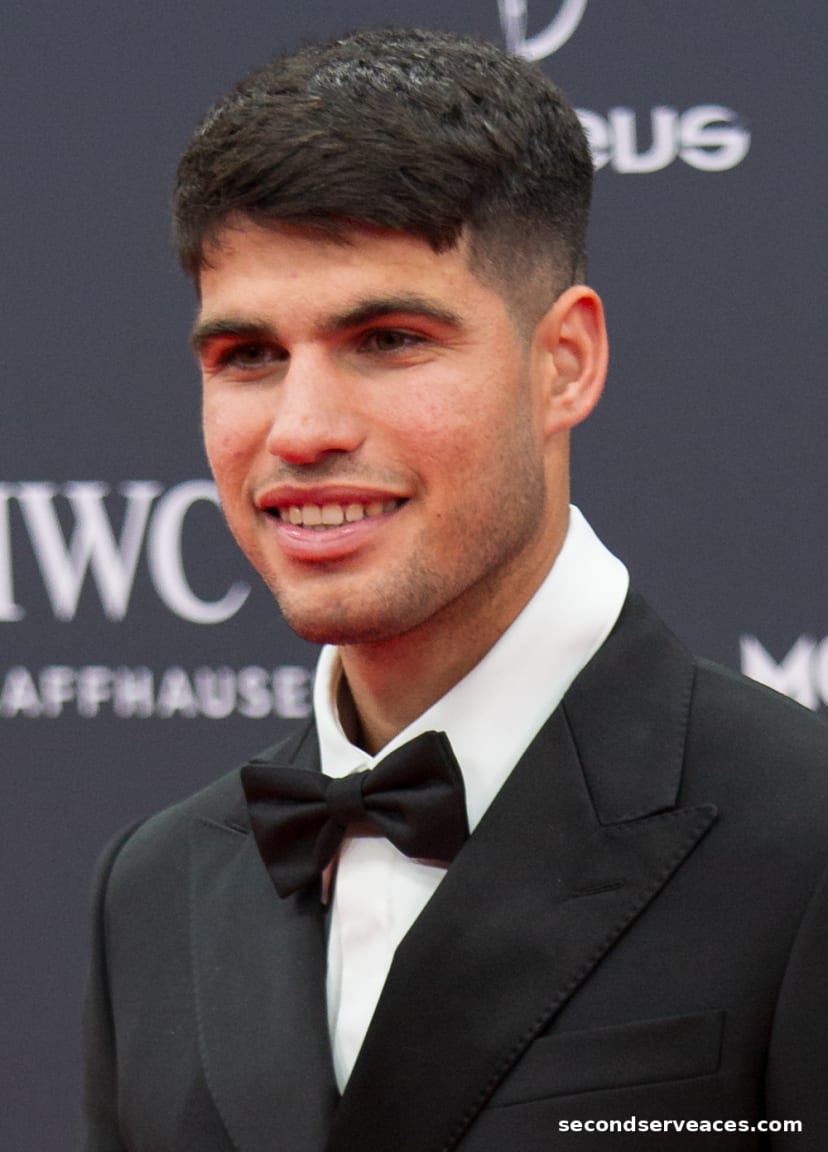
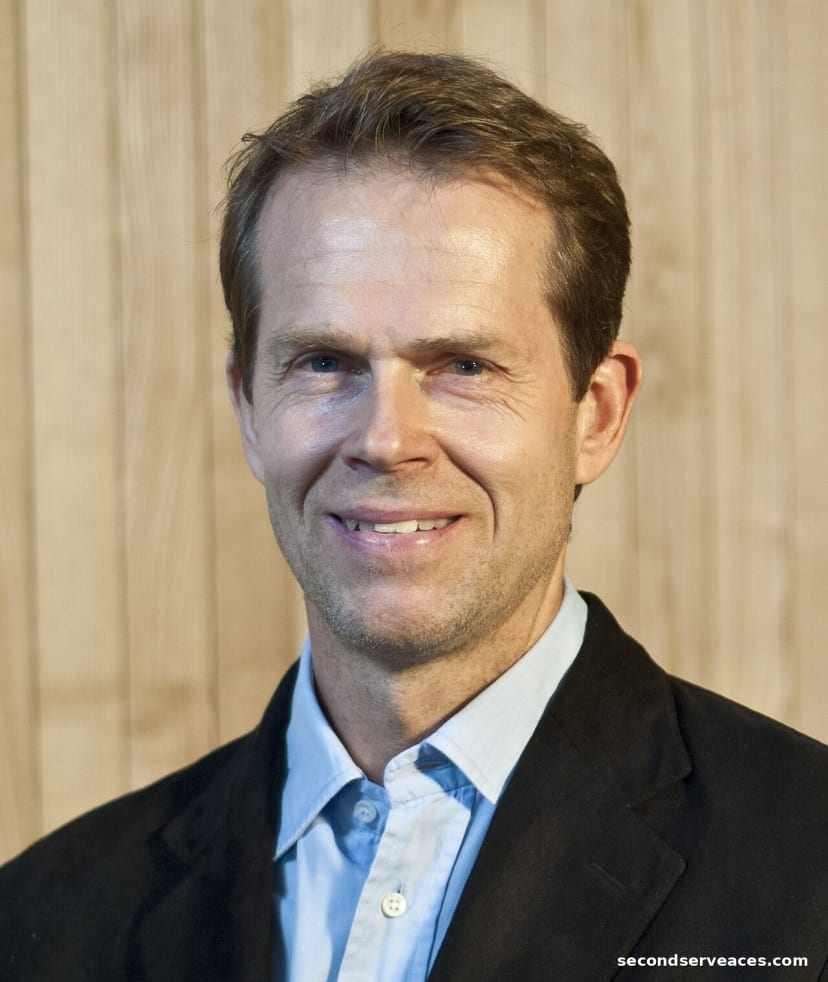
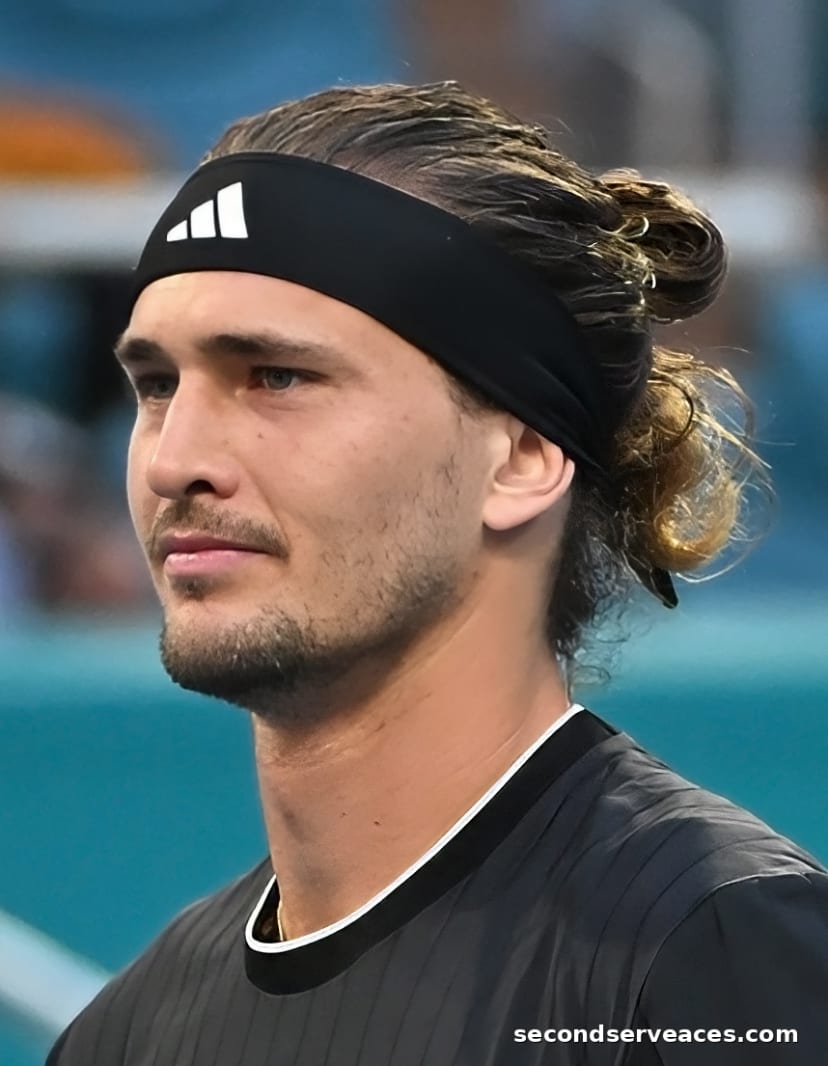
The clay court season has hit a seismic shift. The official confirmation that Carlos Alcaraz will miss the 2026 French Open, which commences Sunday, May 24th, fundamentally alters the geometry of the men’s draw. When a player who dictates the baseline tempo with such aggressive, heavy-spin forehands exits the bracket, the entire tactical ecosystem shifts in an instant.
Listen to the Second Serve Podcast
Get our daily AI-synthesized audio briefings and match reviews on the go.
The End of a Rivalry Chapter in Paris
Alcaraz and Jannik Sinner have engaged in 17 professional encounters, a series that has defined modern ATP tennis. These matches are not merely contests of power; they are high-speed chess matches where the transition from defense to offense is measured in milliseconds. With Alcaraz sidelined, the primary antagonist to the Sinner baseline dominance is removed from the equation at the year's second major.
Jannik Sinner, fresh off his three-set victory over Benjamin Bonzi at the Madrid Open, expressed the sentiment shared by many in the locker room, describing the news as “sad for tennis.” The two players have pushed each other’s movement patterns and court coverage to record-breaking levels; without that friction, the pressure on Sinner to navigate the unique clay surface of Paris changes significantly.
Historical data indicates that when these two meet, court positioning is dictated by the ability to neutralize extreme angles. Alcaraz’s absence removes the player most capable of pulling Sinner off the court and forcing him into uncomfortable defensive slides. You can study the full ATP rankings to understand just how tightly locked these two have been in the top echelon of the sport.
The Tactical Landscape for the Chasing Pack
With a clear path opening up, the tournament becomes a different puzzle for veterans like Novak Djokovic, who remains fixed on capturing a 25th Grand Slam title. Djokovic’s ability to manipulate geometry—specifically using the short, angled cross-court backhand to open the court—is now the dominant tactical narrative. Without Alcaraz’s recovery speed, the margins for error for the rest of the field increase dramatically.
Players like Alexander Zverev, Casper Ruud, and Stefanos Tsitsipas will now face a different set of tactical requirements in the second week. They are no longer preparing for the chaotic, explosive athleticism that Alcaraz brings to the red dust; they are instead adjusting to the metronomic, physical attrition style employed by the likes of Djokovic and Sinner. This shift in opponent profile necessitates a recalibration of their own defensive depth.
The absence of a marquee name does not simplify a draw; it complicates it by removing the gravity that pulls in all the top seeds. Challengers must now contend with their own psychological expectations, knowing that the tournament’s favorite is no longer the man across the net. The focus shifts toward who can best maintain the high-RPM spin rates required to survive the long, grueling baseline rallies typical of Roland-Garros.
The Impact on Serve-Retention and Court Geometry
The removal of Alcaraz also impacts the statistical probability of service breaks. Alcaraz is arguably the best returner in the game today, using his rapid footwork to stifle servers before they can establish rhythm. Without him, we will likely see an uptick in serve-retention percentages throughout the opening rounds, as the remaining field battles for control over the service boxes.
We must also look at the historical precedent of players like Stan Wawrinka, who know how to exploit the unique bounce of the French clay. With the top-tier volatility of the draw now adjusted, the role of experienced, high-IQ players becomes more vital. The tournament is no longer about surviving a high-octane brawl against the world number one; it is about managing energy levels over a two-week period.
Ultimately, the Carlos Alcaraz exit is a reminder of the fragility of elite performance. Every match in Paris is a sequence of tactical adjustments, and the absence of a player who consistently forced his opponents into high-risk shot selection creates a massive vacancy in the tournament's strategic narrative. We turn our attention now to who will fill that space.
What Jannik Sinner Plays With
Head Speed MP 2024
Head Hawk Touch 1.25
Nike GP Challenge 1
Analyze Jannik Sinner vs. Carlos Alcaraz
Predict tactical adjustments, momentum swings, and serve strategy options for this match-up using our AI simulator.
The Aces Tactical Panel
This report was curated and edited by Bhaskar Goel. Tactical analysis and technical insights were provided by our specialized panel of expert correspondents.
Julian Price
Senior Tactical Correspondent
Stuffy, pedantic British academic and historian specializing in match momentum and historical context.
Elena Cruz
Director of Analytical Research
Data scientist specializing in court surface physics and movement patterns.
Bhaskar
The Editor & Fan
Passionate tennis player and site editor bringing everyday amateur insights and relatable fan commentary.
Arthur Vance
Senior Existential Analyst
Deep, eccentric, and DFW-inspired. Models court metaphysics, kinetic beauty, and player psychology.
Leo Sterling
High-Performance Consultant
Hard-nosed ex-trainer from Melbourne with a no-nonsense view on tour fitness.