The Anatomy of a Disappearing Act
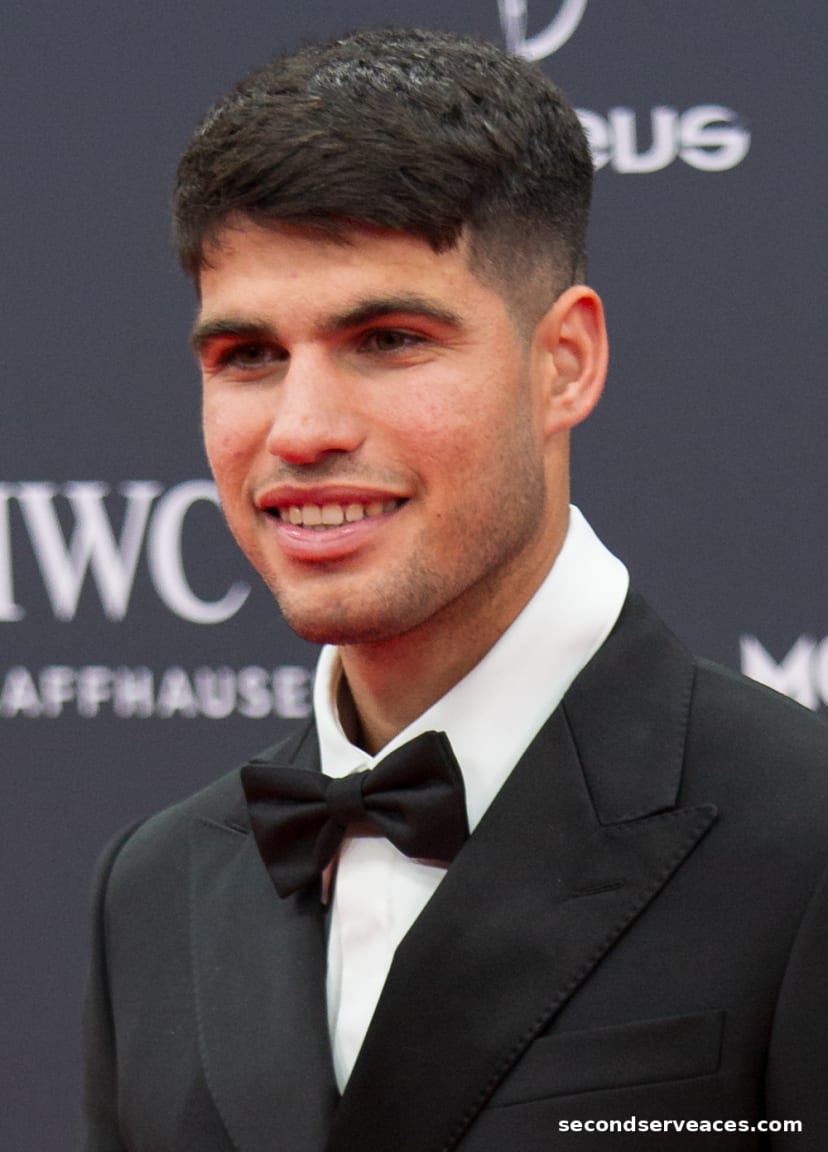
Let’s be honest: the ATP Tour is missing its brightest spark, and the optics aren't pretty. When a player as explosive as Carlos Alcaraz is forced to pull the plug on the Barcelona Open after a single match—and then scrap the Madrid Open entirely—it sends a shiver down the spine of every fan. We’ve seen him win, we’ve seen him move with that impossible, gliding athleticism, but seeing him in a wrist splint? That’s not a tactic; that’s a crisis.
Listen to the Second Serve Podcast
Get our daily AI-synthesized audio briefings and match reviews on the go.
It’s not just about missing a few weeks of clay-court rhythm. This is the delicate machinery of a modern baseline destroyer. The physics of heavy topspin requires a rock-solid wrist. When that integrity is compromised, the entire shot selection is forced to change. If you can’t rip through the ball with full confidence on your forehand, you’re just feeding the vultures. And on the slow, unforgiving red dirt of Roland Garros, you don't survive on hope alone.
The murmurs from the locker room are getting louder, and frankly, I don't blame them. Everyone is looking at the medical reports, wondering if this is the start of a chronic headache for a guy who has everything to lose. You don't just 'play through' a wrist issue at the highest level without someone like Patrick Mouratoglou eventually chiming in on the long-term cost. The question isn't whether he *wants* to play; it’s whether he can maintain that ferocious level of intensity without the physical insurance to back it up.
Chasing the Ghosts of Borg and Nadal
History isn't just a record book; it's a weight. Only two men in the Open Era—Bjorn Borg and Rafael Nadal—have managed to claim three consecutive men’s singles titles at Roland Garros. Alcaraz is being talked about in that same breath, which is massive, but those giants possessed an iron-clad physical durability that we haven't seen in the young Spaniard lately. You can't capture history if you're stuck in the physio tent.
Think about the tactical demand. Winning the French requires enduring five-set marathons that test every fiber of your being. If Alcaraz enters Paris at 80 percent, he’s not just playing the opponent; he’s playing against his own medical chart. The historical comparison is flattering, but until he finds the consistency to remain on the court, those numbers are just noise. He’s staring down the barrel of eight career Grand Slam titles, but that climb gets steeper every time a tournament withdrawal pops up on the official rankings.
Legends like Ivan Lendl or Andre Agassi understood that the game is as much about preservation as it is about power. Alcaraz plays with the intensity of Jimmy Connors on every single point, but at some point, you have to let the body catch up to the ambition. If he’s going to join the ranks of the immortals in Paris, he needs to learn the hard way that the most important shot is the one you’re actually healthy enough to hit.
What Carlos Alcaraz Plays With
Babolat Pure Aero 98
Babolat RPM Blast 1.30
Nike Vapor Pro 2
Analyze Carlos Alcaraz vs. Jannik Sinner
Predict tactical adjustments, momentum swings, and serve strategy options for this match-up using our AI simulator.
The Aces Tactical Panel
This report was curated and edited by Bhaskar Goel. Tactical analysis and technical insights were provided by our specialized panel of expert correspondents.
Julian Price
Senior Tactical Correspondent
Stuffy, pedantic British academic and historian specializing in match momentum and historical context.
Elena Cruz
Director of Analytical Research
Data scientist specializing in court surface physics and movement patterns.
Bhaskar
The Editor & Fan
Passionate tennis player and site editor bringing everyday amateur insights and relatable fan commentary.
Arthur Vance
Senior Existential Analyst
Deep, eccentric, and DFW-inspired. Models court metaphysics, kinetic beauty, and player psychology.
Leo Sterling
High-Performance Consultant
Hard-nosed ex-trainer from Melbourne with a no-nonsense view on tour fitness.