A Career-Defining Physical Hurdle
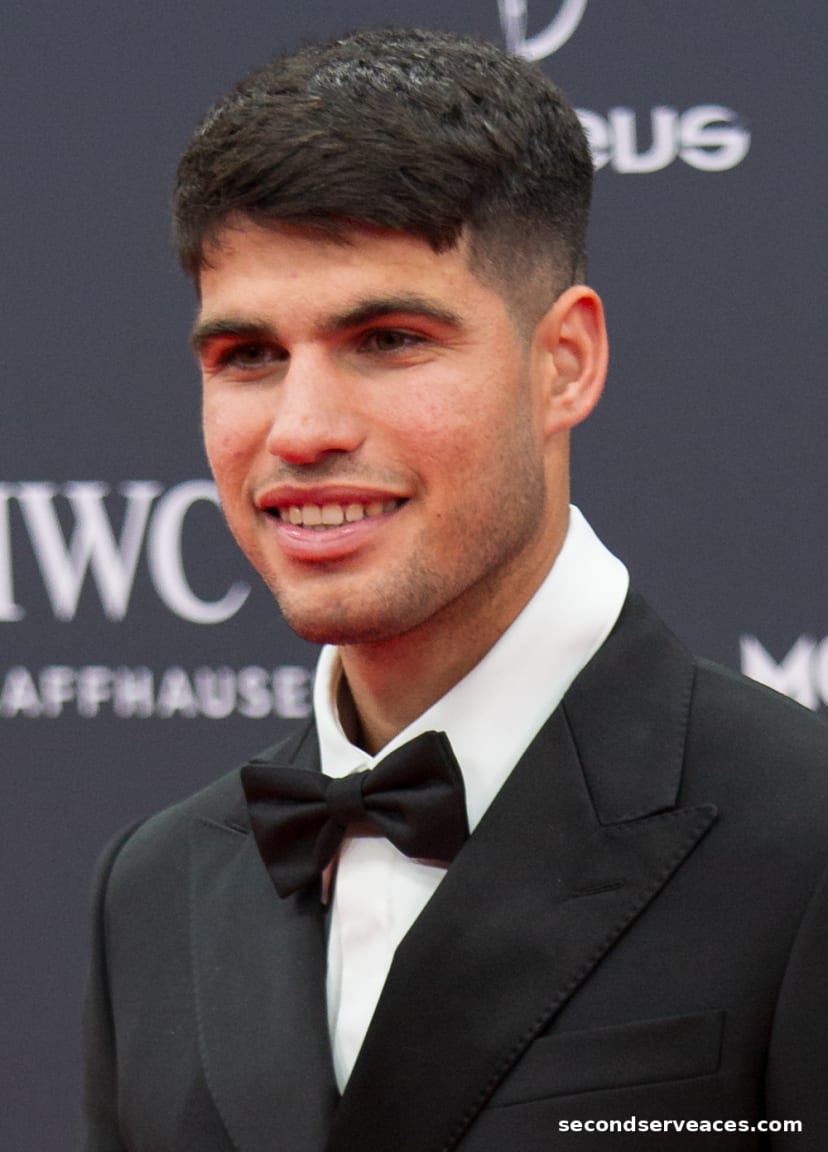
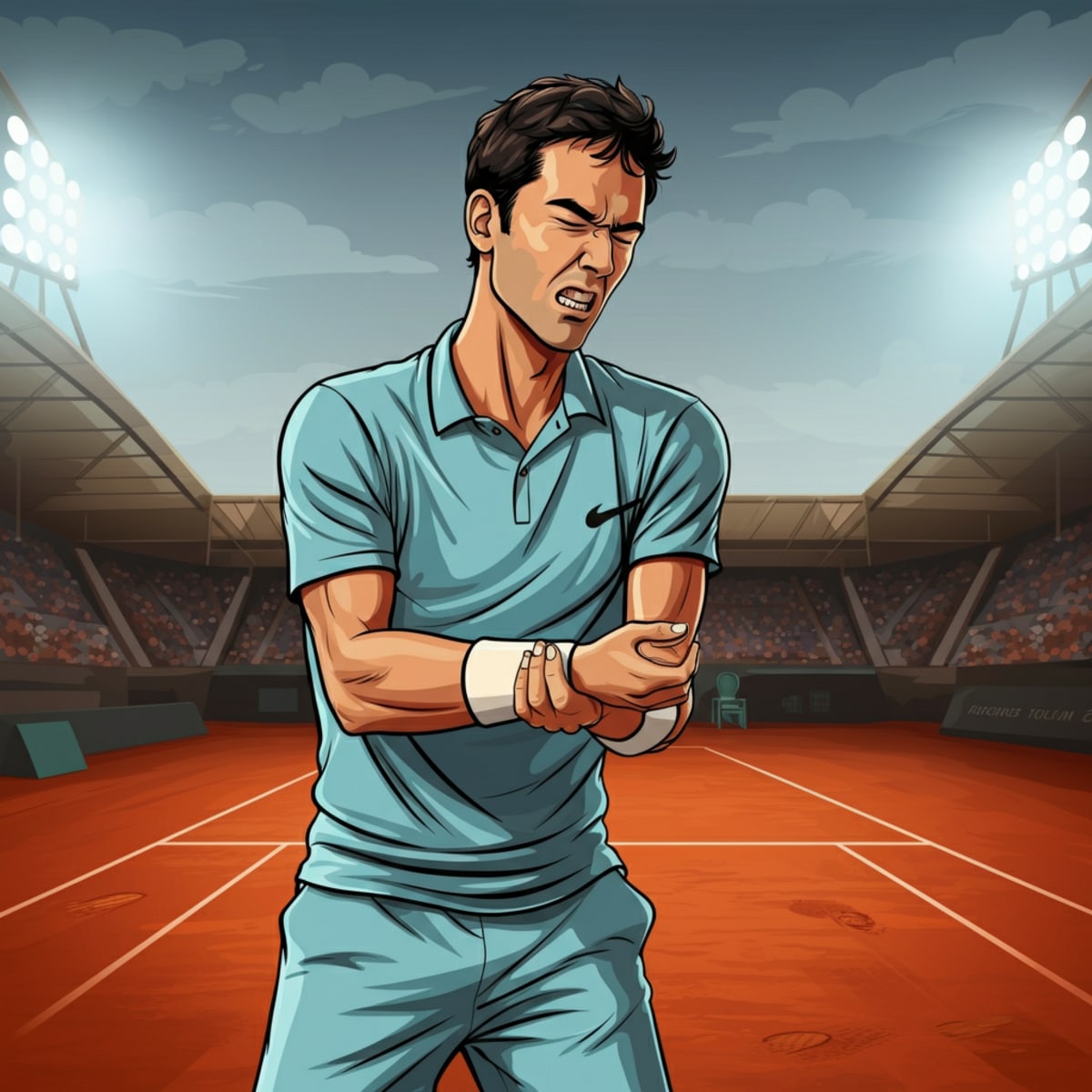
Let’s be real here: the tennis world thrives on momentum, and right now, the momentum around Carlos Alcaraz is stalling at the worst possible time. After claiming the 2026 Australian Open in February to secure that elusive career Grand Slam, the Spaniard was supposed to be the undisputed king of the court heading into the European swing. Instead, he’s dealing with a wrist injury that is absolutely infuriating for anyone who wants to see the best players competing at the top level.
Listen to the Second Serve Podcast
Get our daily AI-synthesized audio briefings and match reviews on the go.
Missing the Madrid Open isn't just a minor setback; it’s a massive blow to his preparation for the French Open. You can’t just walk onto the terre battue in Paris cold, especially when your game relies on that heavy-spin, wrist-snapping intensity that defines the Alcaraz style. It’s a physical gamble that makes me wonder if his team is looking at the long-term cost over the short-term trophy.
It’s no coincidence that his withdrawal comes just as the competition has caught up. The tour doesn’t wait for you, and it certainly doesn't care about your medical reports. With his absence from Madrid, the window for him to find his rhythm on clay is shrinking rapidly, and you can bet the rest of the field is already smelling blood in the water.
The Rising Threat at the Top of the Rankings
While Alcaraz is busy playing it safe with his health, Jannik Sinner hasn't been sitting on his hands. That loss at the Monte-Carlo Masters wasn't just a bad day at the office for Carlos; it was a tactical shift in the power dynamic of the ATP rankings. Sinner taking the No. 1 spot is the kind of reality check that keeps this sport honest.
Sinner’s victory in Monte-Carlo proved that the margins at the top are thinner than a paper napkin. Every time Alcaraz steps off the court, whether for an injury or an early exit, the other guys—especially Sinner—are carving out their own territory. You don’t get to be No. 1 by playing it safe, but you also don’t stay there by watching from the sidelines while your competition figures out your weaknesses.
We’ve seen this script before, haven't we? A young phenom gets knocked off their pedestal, and suddenly the questions about durability become as loud as the cheers. Alcaraz is still sitting on that Laureus Sportsman of the Year award he picked up in Madrid on Monday, April 20, 2026, but awards don't win five-setters in Paris. If his wrist doesn't hold up, the transition from his Australian Open high to a French Open disaster could happen faster than a second serve.
The Question of Durability in the Modern Era
Looking at the broader picture, you have to ask: is the current schedule simply too brutal? Alcaraz has been grinding since January, and that physical demand is starting to manifest in these types of soft-tissue issues. It’s frustrating because we want to see the best rivalries unfold, but instead, we’re left analyzing medical bulletins and withdrawal notices. It’s a travesty for the fans and a nightmare for the tournament directors.
The intensity required to stay at the top of the game in this era is astronomical. When you compare his current situation to the iron-man campaigns of Novak Djokovic in his prime, you see just how difficult it is to sustain that level of play without the body breaking down. Alcaraz has the game, but does he have the chassis to sustain a season that demands excellence from January to November?
If he manages to get back on the court for Paris, he’s going to be fighting rust as much as he’s fighting his opponents. Tennis is a game of rhythm and confidence, and nothing destroys both faster than forced time off. He needs to stop worrying about the ceremony and start worrying about the baseline exchanges.
The Stakes for the Upcoming Clay Season
As we approach the start of the French Open, the conversation isn't about form; it’s about fitness. The clay surface in Paris is the ultimate truth-teller—it exposes every weakness, physical or mental. If Alcaraz isn't at 100%, the slide in the rankings will be swift. The pressure is mounting, and the reality is that the field is deeper than it’s been in years.
We’re talking about a man who just completed a career Grand Slam. That accomplishment should have been the springboard for a dominant spring, but now we’re looking at a recovery period that feels like it’s dragging on. Every day he spends away from the match court is a day that Sinner and the rest of the tour spend fine-tuning their approach to beating him.
I’m not saying he’s done, but he’s definitely under the microscope now. The sport is in a weird spot, with the top-tier talent struggling to stay on court as much as they struggle to win points. It’s time for the medical staff to do their jobs, and for the player to decide if he’s ready to face the grind again. The French Open is right around the corner, and the clock is ticking loudly.
What Carlos Alcaraz Plays With
Babolat Pure Aero 98
Babolat RPM Blast 1.30
Nike Vapor Pro 2
Analyze Carlos Alcaraz vs. Jannik Sinner
Predict tactical adjustments, momentum swings, and serve strategy options for this match-up using our AI simulator.
The Aces Tactical Panel
This report was curated and edited by Bhaskar Goel. Tactical analysis and technical insights were provided by our specialized panel of expert correspondents.
Julian Price
Senior Tactical Correspondent
Stuffy, pedantic British academic and historian specializing in match momentum and historical context.
Elena Cruz
Director of Analytical Research
Data scientist specializing in court surface physics and movement patterns.
Bhaskar
The Editor & Fan
Passionate tennis player and site editor bringing everyday amateur insights and relatable fan commentary.
Arthur Vance
Senior Existential Analyst
Deep, eccentric, and DFW-inspired. Models court metaphysics, kinetic beauty, and player psychology.
Leo Sterling
High-Performance Consultant
Hard-nosed ex-trainer from Melbourne with a no-nonsense view on tour fitness.