A Rising Star Forced to the Sidelines
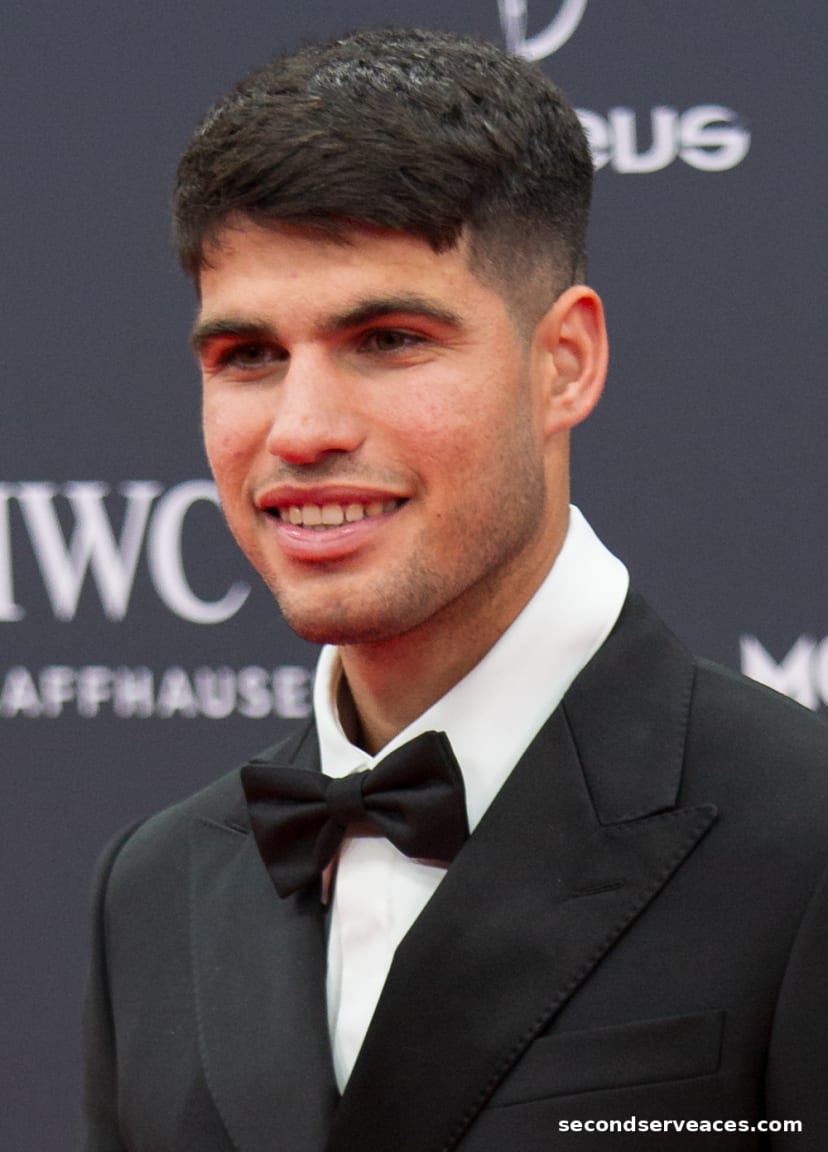
The tennis world finds itself in a state of suspended animation as we look toward the hallowed red dust of Paris. Carlos Alcaraz, the wunderkind who captured our imaginations with his electric speed and heavy-topspin forehand, currently sits at World No. 2 on the ATP Tour rankings. Yet, the Spaniard's momentum has hit a jarring wall, defined not by an opponent’s return, but by the fragility of the human wrist.
Listen to the Second Serve Podcast
Get our daily AI-synthesized audio briefings and match reviews on the go.
It is a stark contrast to the start of the year, where the phenom from El Palmar looked invincible. In January, he lifted the trophy at the Australian Open, dispatching the formidable Novak Djokovic in a display of tactical brilliance that suggested he was ready to inherit the mantle of greatness. Now, the physical toll of that high-octane game has left him searching for answers.
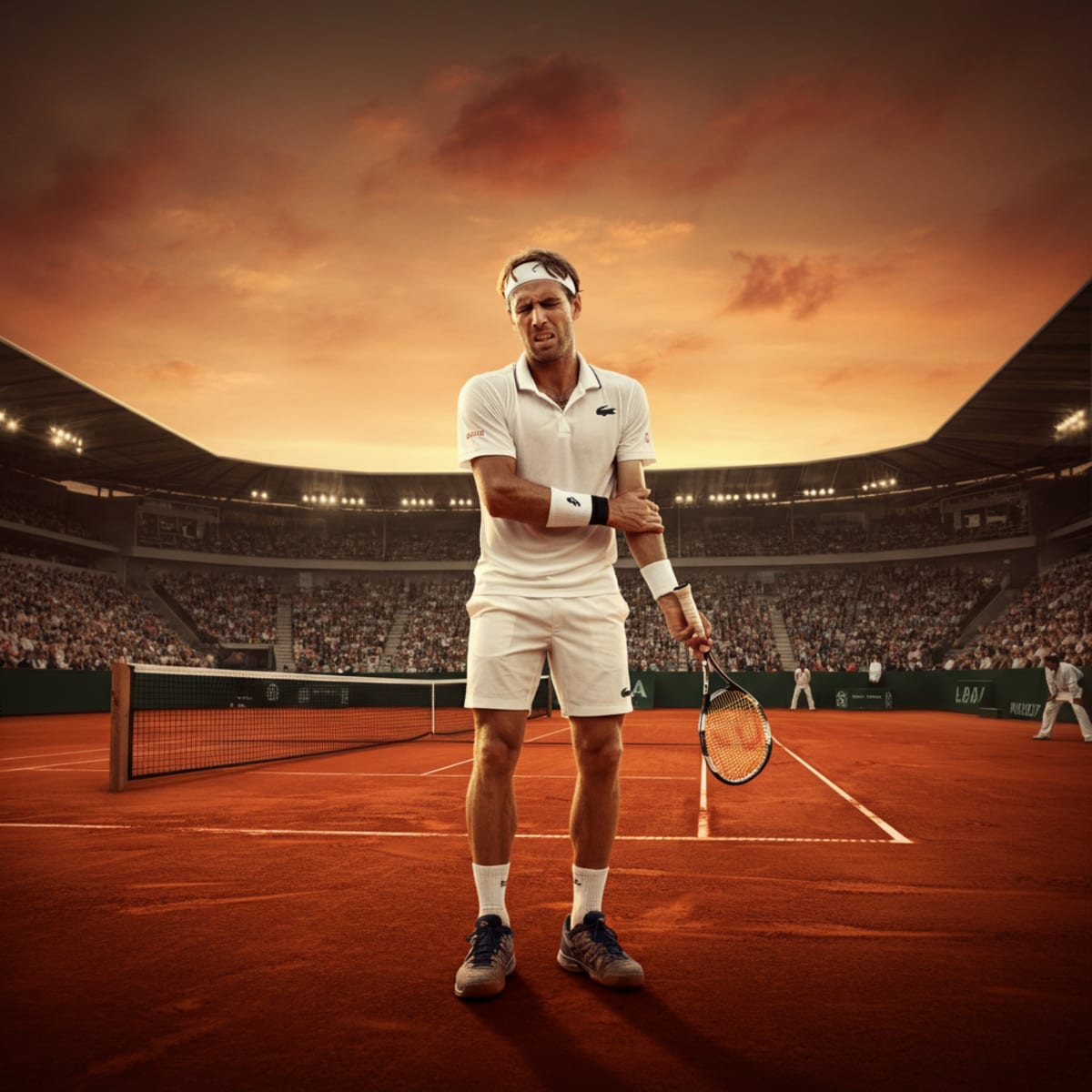
The current sentiment surrounding his participation at the French Open is undeniably dour. With the spring clay-court season typically serving as the ultimate proving ground for patience and stamina, an injury of this nature in the wrist is the most dreaded of ailments for a player who relies on heavy grip pressure to whip the ball across the net.
The Stumble in Barcelona and Madrid
The cracks in the armor began to show in the Catalan capital. During his campaign at the Barcelona Open, Carlos Alcaraz was forced to withdraw during his second-round encounter against Tomas Machac. It was an uncharacteristic departure for a player whose court coverage is legendary, signaling that the discomfort in his wrist was more than just a fleeting ache.
Matters only intensified as the tour moved to the high-altitude conditions of the Caja Mágica. The subsequent withdrawal from the Madrid Open served as a sobering realization for his team. This is not a player who retreats lightly; his refusal to compromise his recovery suggests a severity that could jeopardize his entire European clay-court summer if not managed with clinical precision.
For those of us who follow the grind of the circuit, the withdrawal is a reminder of the relentless physical demands placed upon these modern athletes. Unlike the eras of past greats, the current ATP Tour schedule leaves little room for biological repair, and when a primary weapon—that stinging, heavy forehand—is compromised, there is simply no way to grind through the pain.
The Tactical Cost of Physical Fragility
Alcaraz thrives on being a disruptor. His ability to change the pace, to slice, and to unleash thunderous winners on the run requires complete structural integrity in the dominant wrist. When that unit is under duress, the entire tactical scaffold of his game begins to wobble. He is a player who thrives on confidence and fluidity, and an injury interrupts the rhythm of his point construction.
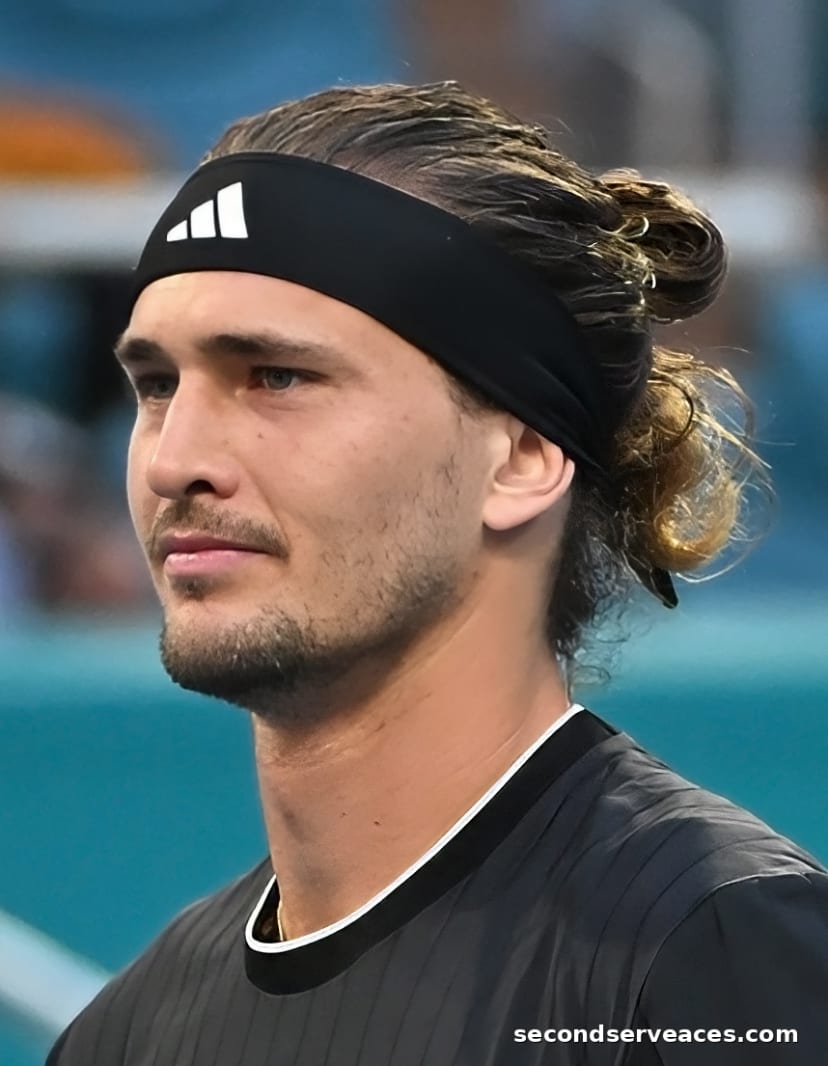
If we look back at his win over Novak Djokovic in Australia, we saw a man who could sustain extreme pressure for hours. That performance was built on the foundation of perfect biomechanical function. If he arrives in Paris with even a five-percent reduction in his ability to snap through the ball, the field, including the likes of Alexander Zverev and Jannik Sinner, will undoubtedly seek to exploit that vulnerability.
The upcoming weeks are vital for his coaching staff. They must balance the desire to compete at the ultimate grand slam with the long-term career risk of aggravating a chronic condition. It is a chess match played against time, where every recovery session in the gym is as crucial as any hour spent on the practice court.
The Shadow Over Paris
As the clay turns a deeper shade of ochre in preparation for the French Open, the question of Alcaraz's readiness looms large. The Parisian crowd, famously demanding, expects the best version of every champion. Whether we see the explosive, high-wire act that captivated the tennis world in Melbourne, or a more cautious, measured version of the Spaniard, remains to be seen.
History tells us that players who return from wrist injuries often face a period of recalibration. The trust required to go full-throttle on a break point—the very moment where legends are born—is the first thing to suffer. Alcaraz must find a way to navigate this internal struggle, turning his focus toward long-term preservation over immediate glory.
We remain glued to the injury reports, hoping that the young titan can heal. For now, the sport watches, waits, and wonders if the brightest star in the game can conjure a miraculous return to form before the first ball is struck in Paris.
What Carlos Alcaraz Plays With
Babolat Pure Aero 98
Babolat RPM Blast 1.30
Nike Vapor Pro 2
Analyze Carlos Alcaraz vs. Otto Virtanen
Predict tactical adjustments, momentum swings, and serve strategy options for this match-up using our AI simulator.
The Aces Tactical Panel
This report was curated and edited by Bhaskar Goel. Tactical analysis and technical insights were provided by our specialized panel of expert correspondents.
Julian Price
Senior Tactical Correspondent
Stuffy, pedantic British academic and historian specializing in match momentum and historical context.
Elena Cruz
Director of Analytical Research
Data scientist specializing in court surface physics and movement patterns.
Bhaskar
The Editor & Fan
Passionate tennis player and site editor bringing everyday amateur insights and relatable fan commentary.
Arthur Vance
Senior Existential Analyst
Deep, eccentric, and DFW-inspired. Models court metaphysics, kinetic beauty, and player psychology.
Leo Sterling
High-Performance Consultant
Hard-nosed ex-trainer from Melbourne with a no-nonsense view on tour fitness.