Defending His Territory
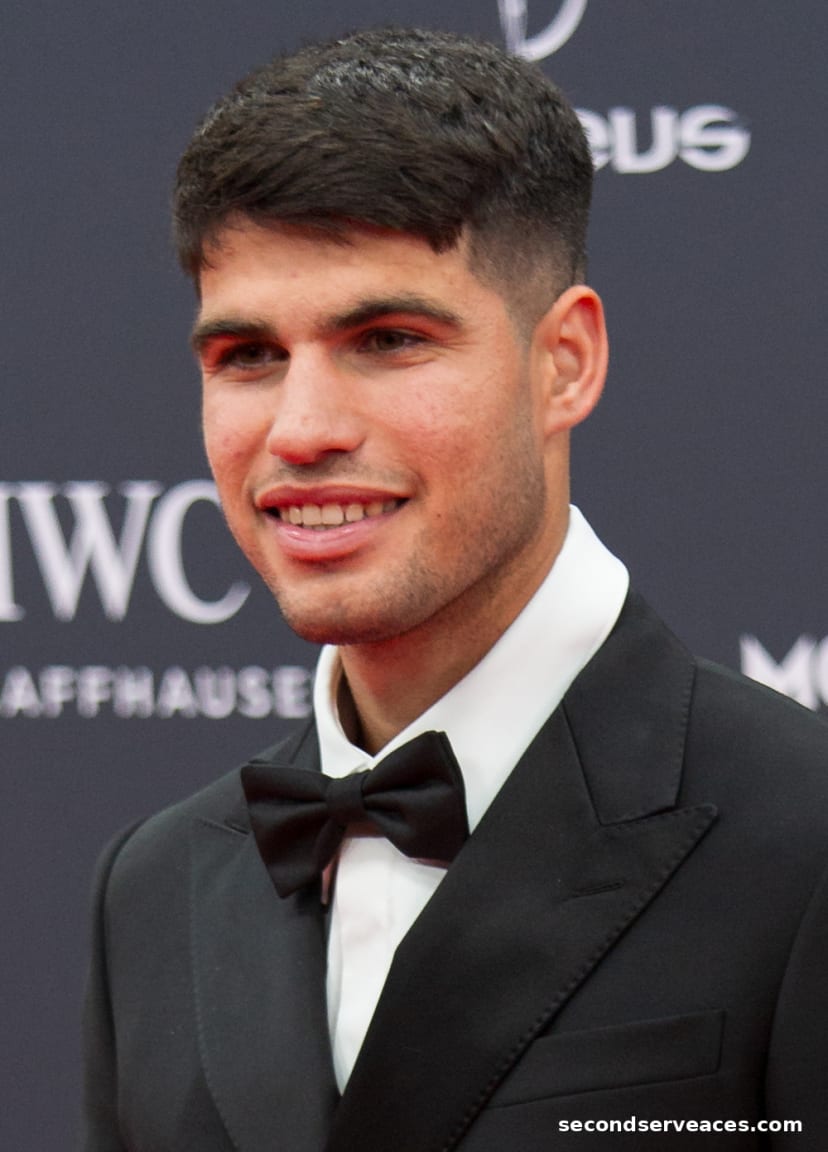
In his second-round encounter at the Monte Carlo Masters, Carlos Alcaraz reminded the field exactly why he is the defending champion. Dismantling Sebastian Baez 6-1, 6-3, Alcaraz displayed the kind of rhythmic calibration that is becoming his signature on the European red clay. While the scoreline reflects a comfortable passage, the underlying mechanics were pure precision, as Alcaraz neutralized his opponent’s baseline game before he could ever find a foothold.
Listen to the Second Serve Podcast
Get our daily AI-synthesized audio briefings and match reviews on the go.
The Tactical Breakdown
Alcaraz’s game is built around the fundamental principle of court geometry. By utilizing aggressive, heavy-topspin forehands that land deep in the mid-court, he effectively forces his opponents into a defensive crouch well behind the baseline. Against a player like Baez, who thrives on scramble defense and redirection, Alcaraz’s strategy was clear: limit the duration of the point by attacking the short ball with inside-out forehand patterns.
His serve placement was equally critical. By consistently targeting the T-serve, Alcaraz opened up the court for high-percentage plus-one winners. On the clay, where ball speed is dampened, his ability to transition from the baseline to the net—what we call the 'short-court squeeze'—remains his most potent weapon. He didn't just win points; he controlled the tempo, ensuring that Baez was constantly forced to defend at full stretch, preventing him from ever establishing a neutral rally rhythm.
The Bigger Picture
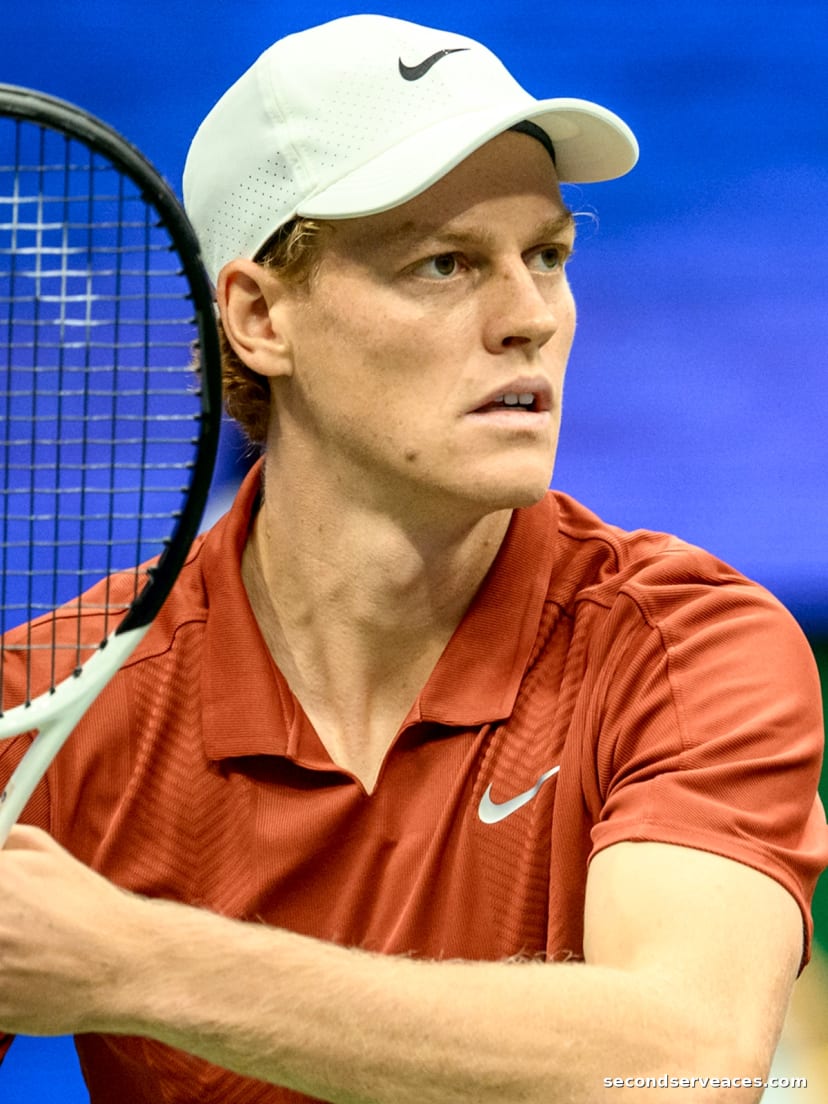
This match is more than just a box score; it is a declaration of intent in a season where the stakes are shifting. Alcaraz has been vocal about the looming threat to his world number one ranking, specifically noting the ascent of Jannik Sinner. In a sport where the margins for error are razor-thin, such awareness often drives a more disciplined approach to early-round tournament matches.
Historically, the transition from hard courts to the red clay of Monte Carlo is where many players struggle to recalibrate their footwork and sliding technique. Alcaraz’s comfort here—the way he plants his back foot to generate torque—suggests he is not just playing on clay, but actively shaping the court to suit his high-octane offensive style. With the ranking pressure mounting, this clinical performance is a vital building block for his campaign to hold off his rivals throughout the upcoming spring clay-court swing.
What Carlos Alcaraz Plays With
Babolat Pure Aero 98
Babolat RPM Blast 1.30
Babolat VS Original (12-Pack)
Nike Vapor Pro 2
Analyze Carlos Alcaraz vs. Sebastian Baez
Predict tactical adjustments, momentum swings, and serve strategy options for this match-up using our AI simulator.
The Aces Tactical Panel
This report was curated and edited by Bhaskar Goel. Tactical analysis and technical insights were provided by our specialized panel of expert correspondents.
Julian Price
Senior Tactical Correspondent
Stuffy, pedantic British academic and historian specializing in match momentum and historical context.
Elena Cruz
Director of Analytical Research
Data scientist specializing in court surface physics and movement patterns.
Bhaskar
The Editor & Fan
Passionate tennis player and site editor bringing everyday amateur insights and relatable fan commentary.
Arthur Vance
Senior Existential Analyst
Deep, eccentric, and DFW-inspired. Models court metaphysics, kinetic beauty, and player psychology.
Leo Sterling
High-Performance Consultant
Hard-nosed ex-trainer from Melbourne with a no-nonsense view on tour fitness.