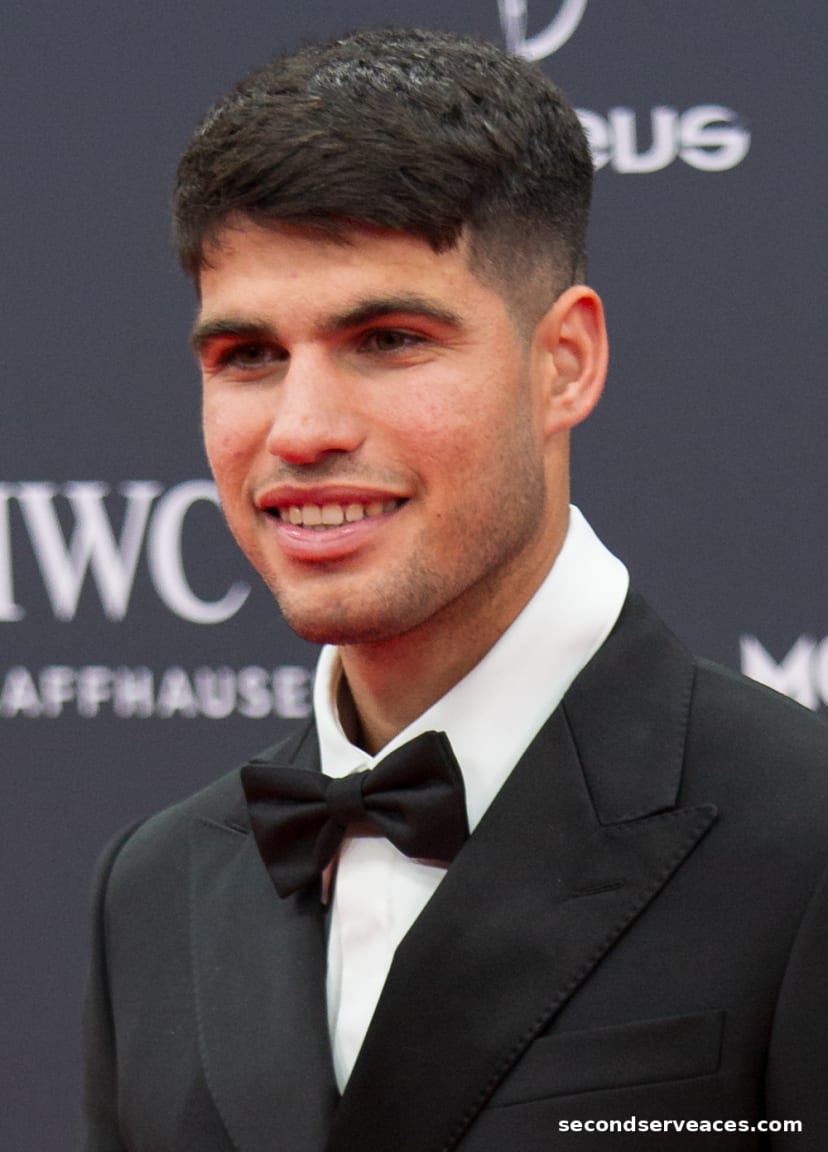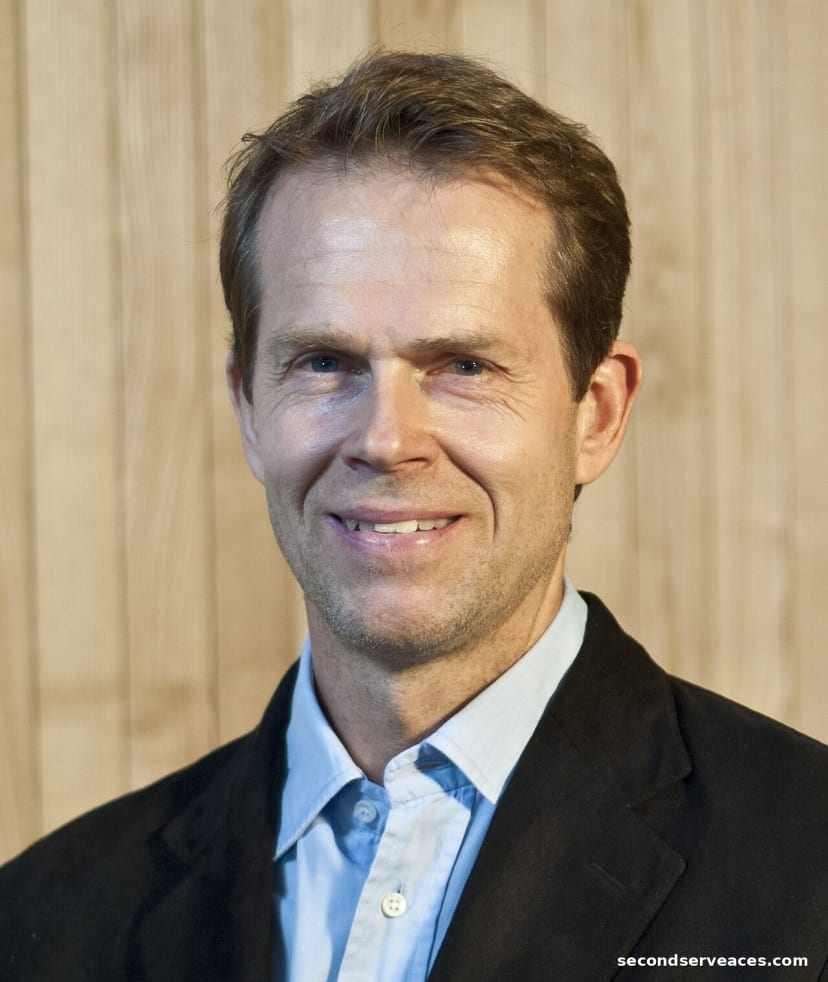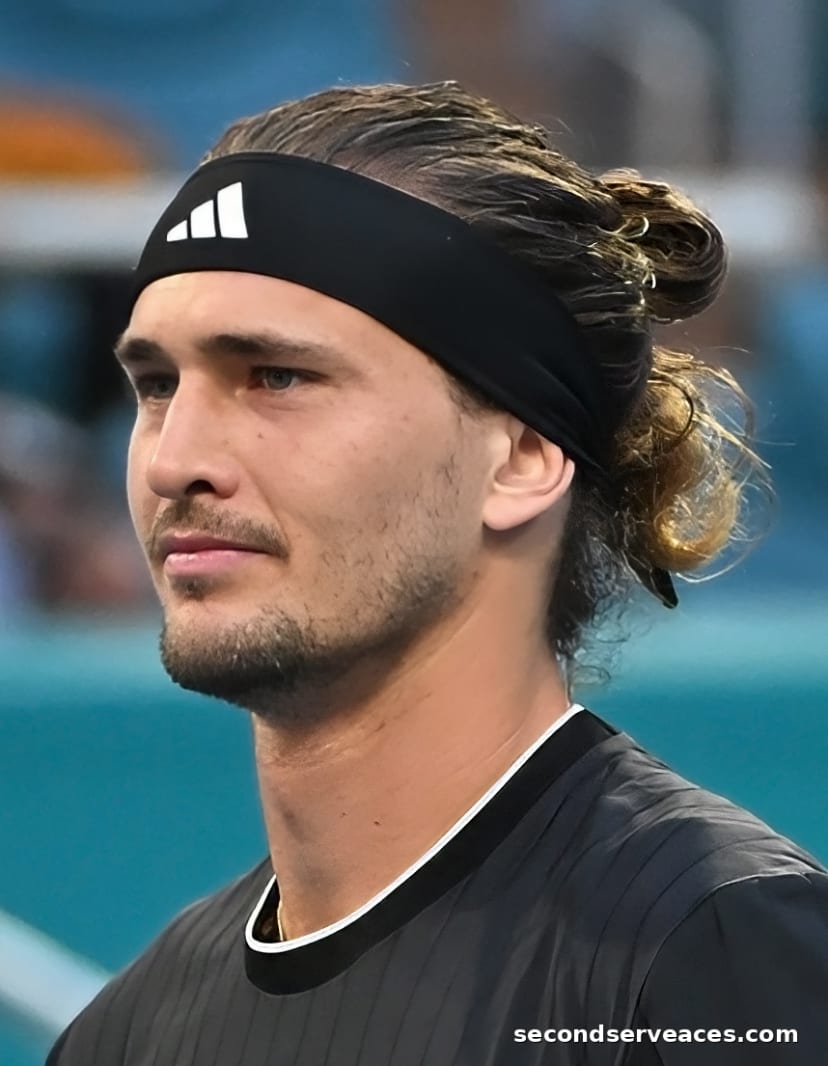
In the sweltering conditions currently gripping the Munich Open, world number eight Ben Shelton found his rhythm, advancing to the quarter-finals after a demanding three-set battle against the 19-year-old Brazilian prospect Joao Fonseca. The match, dictated largely by the oppressive heat and the resulting ball speed through the air, forced both players to eschew long baseline grinding in favor of immediate, aggressive court positioning.
Listen to the Second Serve Podcast
Get our daily AI-synthesized audio briefings and match reviews on the go.
While the atmosphere favored power, the tactical execution required extreme discipline. Shelton’s ability to shorten rallies proved to be the deciding variable, as the high-bouncing, dry clay surface punished any hesitation during the transition phase. Both competitors recognized that in these conditions, the server held a distinct advantage in maintaining court control from the first strike.
The Tactical Reality of High-Speed Clay
Following the conclusion of the match, Shelton was quick to pivot the conversation toward the trajectory of his opponent. The American didn't shy away from his respect for the teenager's rapid evolution, noting the poise with which Fonseca navigated the pressure of a tour-level environment. It is rare to see such technical clarity from a player still finding his footing on the ATP Tour.
This performance comes at a time of shift for the tour landscape, particularly with the confirmed absence of Novak Djokovic from the upcoming Madrid Open. As the bracket clears and the surface demands more from the serve-and-volley specialists, Shelton’s ability to adapt his hard-court aggressive style to the European clay will be the primary metric for his success in the tournament's final stages.
What Ben Shelton Plays With
Yonex Ezone 98 (7th Gen)
Yonex Poly Tour Pro 125
Analyze Ben Shelton vs. Joao Fonseca
Predict tactical adjustments, momentum swings, and serve strategy options for this match-up using our AI simulator.
The Aces Tactical Panel
This report was curated and edited by Bhaskar Goel. Tactical analysis and technical insights were provided by our specialized panel of expert correspondents.
Julian Price
Senior Tactical Correspondent
Stuffy, pedantic British academic and historian specializing in match momentum and historical context.
Elena Cruz
Director of Analytical Research
Data scientist specializing in court surface physics and movement patterns.
Bhaskar
The Editor & Fan
Passionate tennis player and site editor bringing everyday amateur insights and relatable fan commentary.
Arthur Vance
Senior Existential Analyst
Deep, eccentric, and DFW-inspired. Models court metaphysics, kinetic beauty, and player psychology.
Leo Sterling
High-Performance Consultant
Hard-nosed ex-trainer from Melbourne with a no-nonsense view on tour fitness.