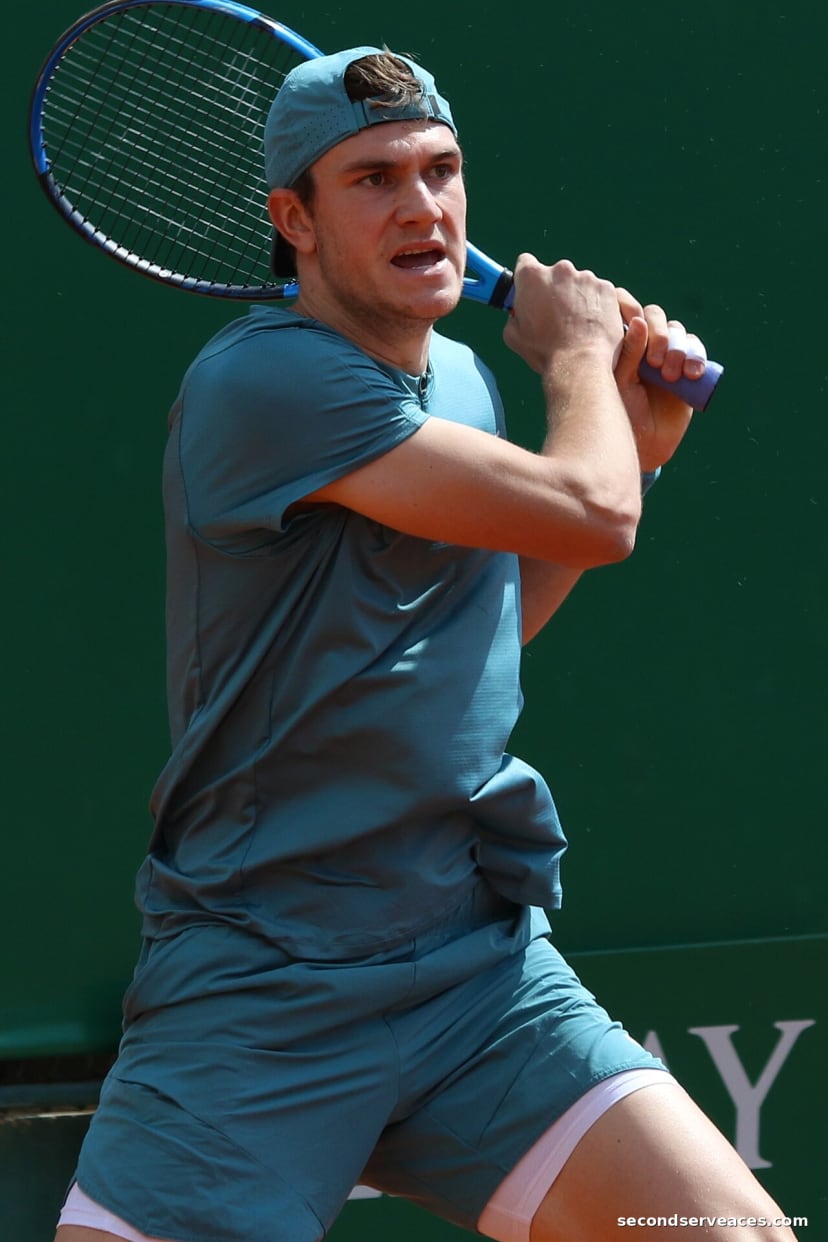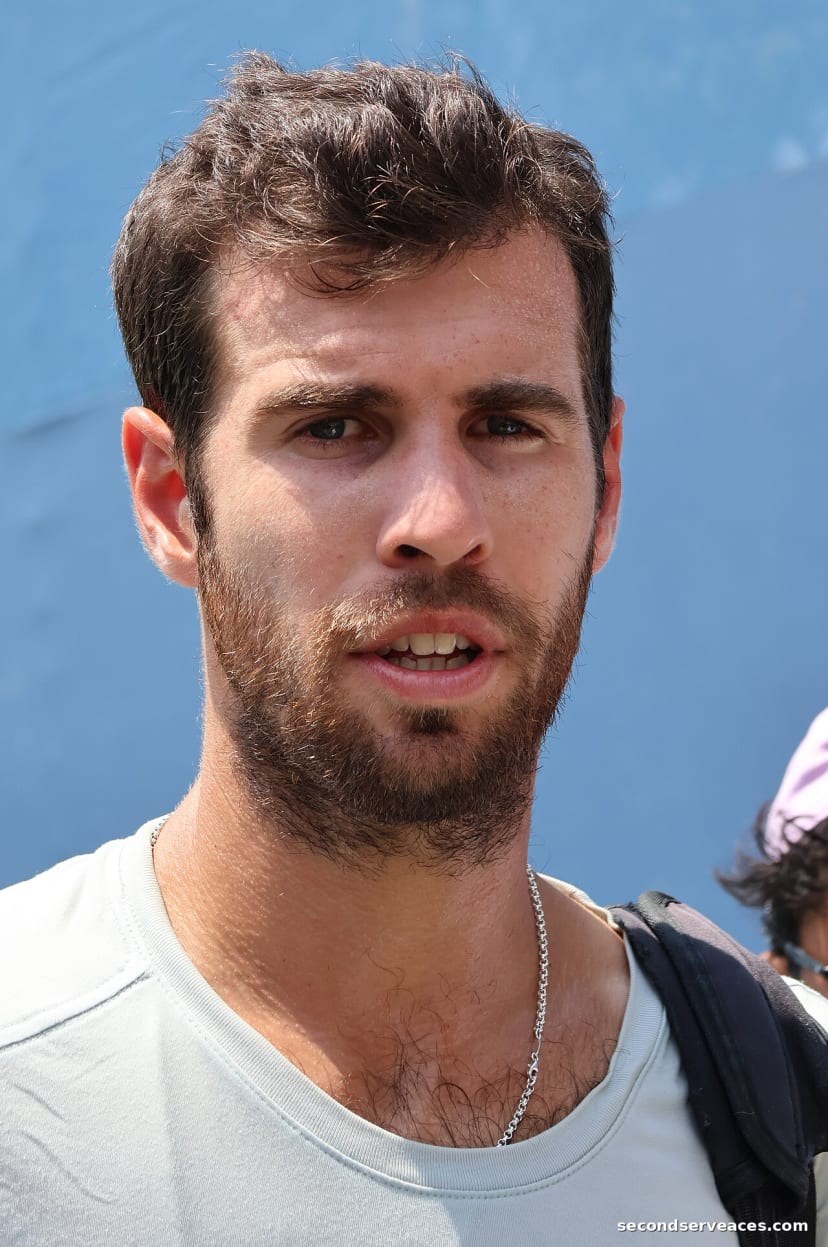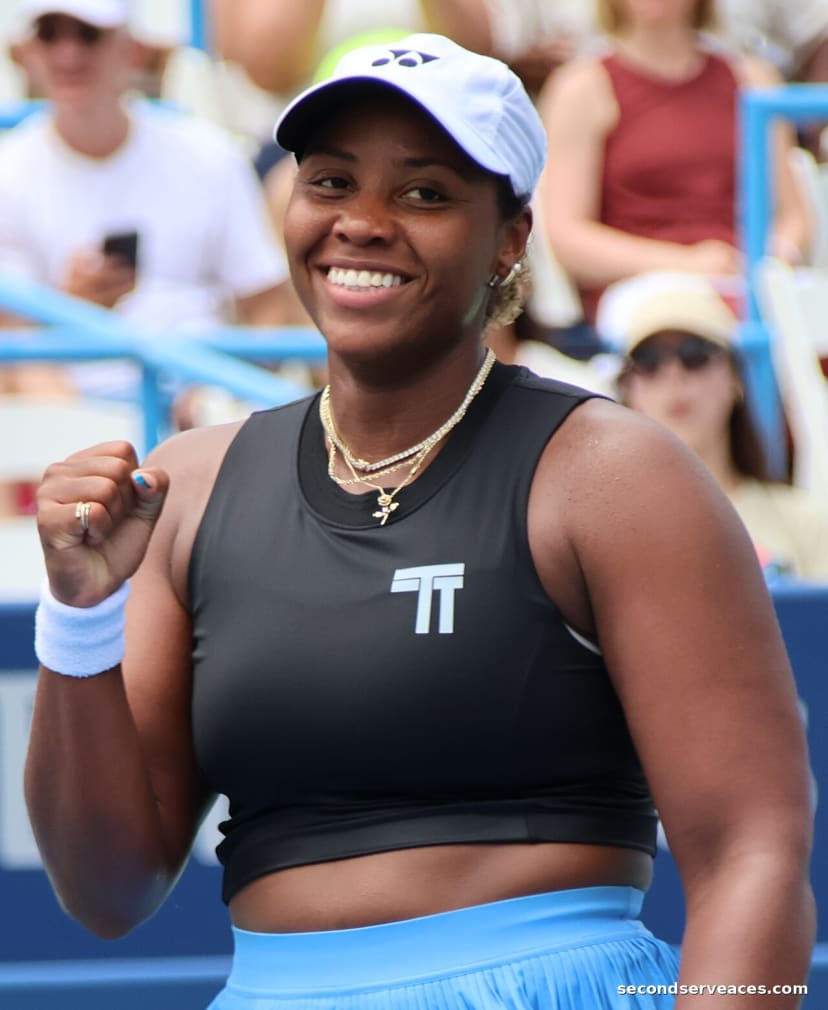
Welcome to the California desert, where the ball flies through the thin air but the gritty hard courts grab the felt and demand a physical toll on every single rally. Indian Wells is a truth serum. You can’t hide behind a massive serve alone, and you certainly can't hide a shaky gas tank. As we hit the quarterfinals of this ATP Masters 1000, the draw has given us a fascinating look into the minds and muscles of four distinct competitors: Jannik Sinner, Learner Tien, Alexander Zverev, and Arthur Fils.
Listen to the Second Serve Podcast
Get our daily AI-synthesized audio briefings and match reviews on the go.
Tennis at this stage is an open book. We know their strokes, we know their fitness levels, and, most importantly, we know their psychological baggage. Let’s break down how these athletes survived the early rounds and what it will take to push through the pain cave and into the semifinals.
Sinner’s Tiebreak Test vs. Tien’s Ultimate Survival
Jannik Sinner didn’t just breeze into the final eight. He had to walk a tightrope against Joao Fonseca, advancing only after capturing two grueling tiebreaks. When a match is decided in dual breakers, it’s not about who hits the ball cleaner; it’s about who manages the heart rate better when the scoreboard flashes 5-5. Sinner proved, once again, that his baseline composure is elite.
But waiting for him is Learner Tien, an American rising star who just redefined resilience. In the Round of 16 against Alejandro Davidovich Fokina, Tien found himself staring into the abyss—down two match points in the deciding set. Facing match point changes your blood chemistry. Your legs get heavy, the court shrinks, and the racket feels like a frying pan. Yet, Tien saved both, shifting the match momentum and scraping out a victory. He isn't just playing with house money now; he's playing with the dangerous freedom of a man who has already survived the executioner.
Zverev’s Imposing Shadow Over Fils
On the other side of the quarterfinal bracket, we have a classic confrontation of brute physicality versus explosive youth. Arthur Fils has been an absolute wrecking ball this week. He dismissed both Marton Fucsovics and Felix Auger-Aliassime in straight sets, and advanced via a retirement victory over Dino Prizmic. Fils is striking the ball with terrifying intent, his legs fresh and his confidence surging.
However, confidence can shatter when it hits a familiar wall. Alexander Zverev is that wall. The German enters this matchup holding a commanding 4-1 lead in their head-to-head encounters. In tennis, a lopsided head-to-head is a psychological anchor. Every time Fils steps up to hit a crucial shot, that 4-1 record is echoing in the back of his mind. Zverev knows how to defuse the Frenchman’s firepower, turning a track meet into a grueling war of attrition.
The Tactical Breakdown
To understand what’s going to unfold on the stadium court, you have to look past the raw power and examine the geometry of the matchups.
- Neutralizing the Explosive Forehand: For Arthur Fils to break the Zverev curse, he has to solve the German's backhand. Historically, players who try to hit through Zverev’s backhand wing find themselves trapped in exhaustive baseline rallies. Zverev’s length and court positioning allow him to absorb heavy topspin and redirect it flat and deep. If Fils wants to shift the match momentum, he must use acute angles to drag Zverev off the center mark before attempting to finish points at the net.
- The Psychology of the Break Point: Zverev’s 4-1 advantage isn't an accident. It is built on his ability to find big first serves when facing break point. Fils will need to adjust his return position—perhaps dropping deeper like Daniil Medvedev—to buy time against Zverev's primary weapon.
- Sinner's Baseline Compression: Against Learner Tien, Sinner is going to try to take the legs out from under the American. Tien just spent hours surviving a brutal deciding set against Davidovich Fokina. Sinner’s tactic will be "baseline compression"—taking the ball incredibly early on the rise, robbing Tien of recovery time, and forcing the American into lunging, defensive slices.
- Tien’s Counter-Punch: To survive Sinner, Tien must disrupt the rhythm. He cannot stand toe-to-toe and trade heavy topspin with the Italian. Look for Tien to mix heights and speeds, utilizing high, looping defensive balls to push Sinner back, followed by sudden injections of pace down the line.
The Bigger Picture
Indian Wells has always been a bellwether for the rest of the ATP season. Earning a title in the desert requires the fitness of a marathoner and the problem-solving skills of a chess grandmaster.
For Jannik Sinner, advancing past Tien and moving deep into the weekend is about solidifying his status as the undisputed king of the modern hard court. He wants to prove that his composure in those tight tiebreaks against Fonseca wasn't luck, but rather the hallmark of a champion. Sinner is building a legacy based on a relentlessly high floor; even on his bad days, he is nearly impossible to put away.
For Learner Tien, this tournament is already a massive leap forward. Saving match points against an established tour veteran like Davidovich Fokina proves that American tennis continues to produce not just big servers, but gritty competitors willing to suffer for a win. A strong showing against Sinner will catapult his ranking and his reputation.
Meanwhile, the Zverev-Fils dynamic is a microcosm of the ATP tour's current generational friction. Zverev is fighting to maintain his position in the global hierarchy against a surging wave of fearless twenty-somethings. Fils has the raw athleticism to be a future top-five staple, but to get there, he has to prove he can overcome the mental hurdles presented by top-tier veterans. Until he consistently solves puzzles like Zverev, he remains an elite talent waiting to cross the final threshold.
The desert wind is blowing, the strings are freshly strung, and the legs are burning. This is the grind. This is where the truth comes out.
What Alexander Zverev Plays With
Head Gravity Pro
Head Hawk Touch 1.25
Analyze Arthur Fils vs. Alexander Zverev
Predict tactical adjustments, momentum swings, and serve strategy options for this match-up using our AI simulator.
The Aces Tactical Panel
This report was curated and edited by Bhaskar Goel. Tactical analysis and technical insights were provided by our specialized panel of expert correspondents.
Julian Price
Senior Tactical Correspondent
Stuffy, pedantic British academic and historian specializing in match momentum and historical context.
Elena Cruz
Director of Analytical Research
Data scientist specializing in court surface physics and movement patterns.
Bhaskar
The Editor & Fan
Passionate tennis player and site editor bringing everyday amateur insights and relatable fan commentary.
Arthur Vance
Senior Existential Analyst
Deep, eccentric, and DFW-inspired. Models court metaphysics, kinetic beauty, and player psychology.
Leo Sterling
High-Performance Consultant
Hard-nosed ex-trainer from Melbourne with a no-nonsense view on tour fitness.