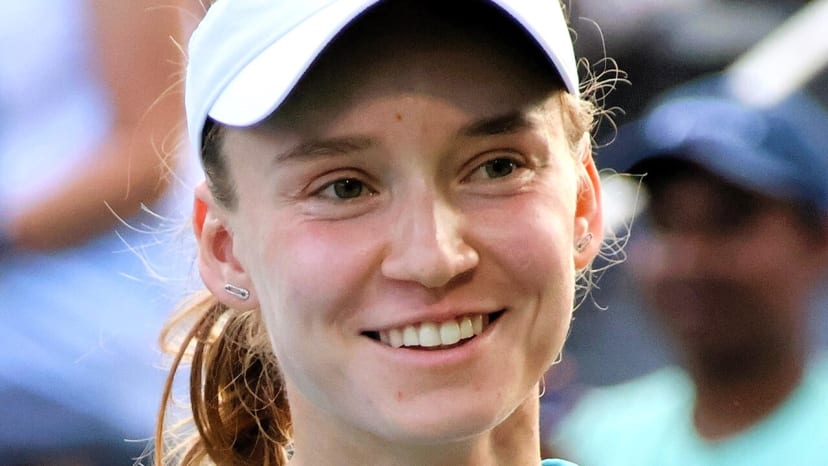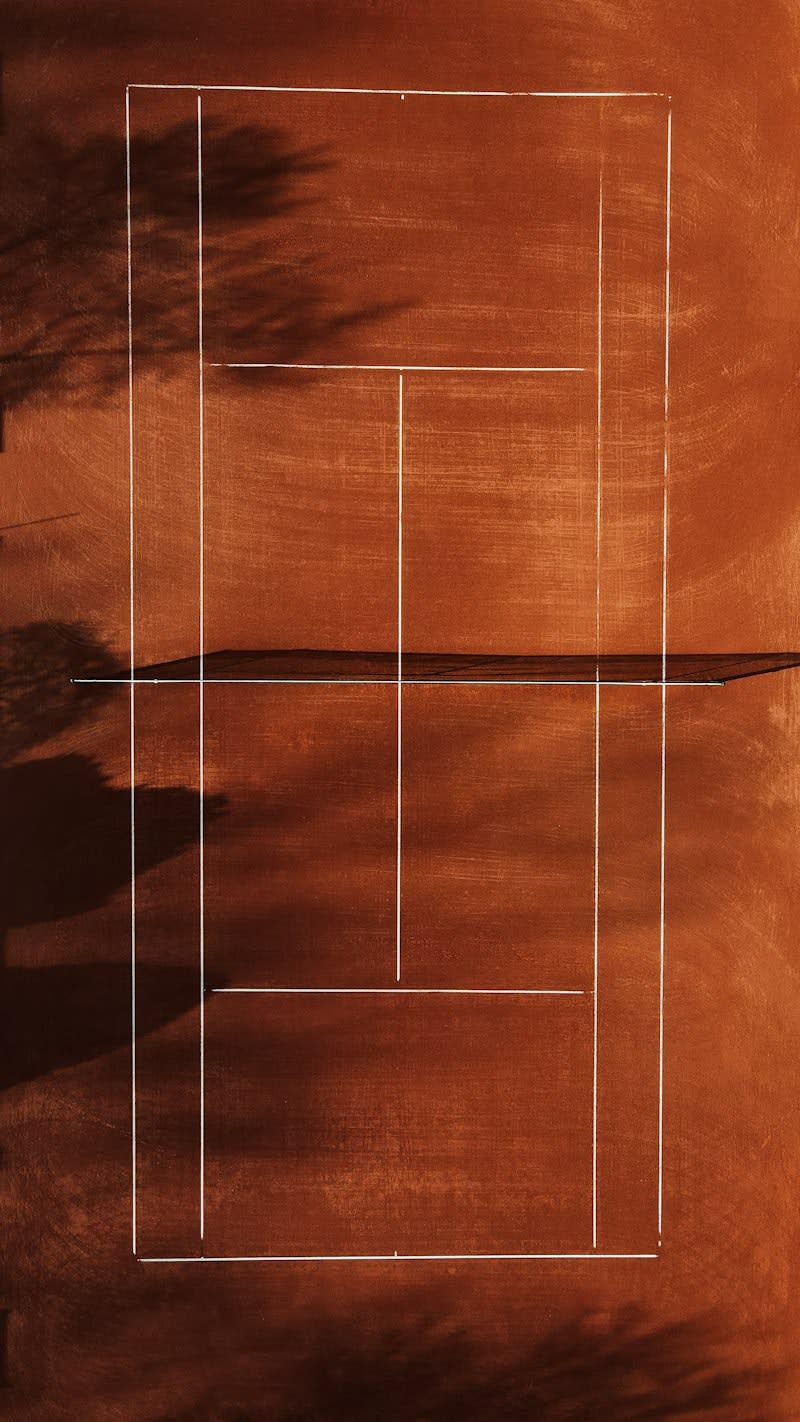
The Madrid Open often serves as the ultimate diagnostic test for the WTA tour’s elite, and for Aryna Sabalenka, the 2026 edition is less about maintenance and more about endurance. Following an injury-forced withdrawal from the Porsche Tennis Grand Prix, the reigning champion arrives at the Caja Mágica carrying the expectations of a player who has already dismantled the field in the first quarter of the season.
Listen to the Second Serve Podcast
Get our daily AI-synthesized audio briefings and match reviews on the go.
A Historic Start Meets Physical Reality
Sabalenka’s 2026 resume is nothing short of clinical. With a staggering 23 wins in her first 24 matches, she has been the absolute protagonist of the early season. Sweeping the 'Sunshine Double' at Indian Wells and the Miami Open was not merely about collecting trophies; it was a masterclass in aggressive court geometry. By shortening points and minimizing lateral movement where possible, she negated the defensive tenacity of her opponents on hard courts.
Her recognition as the 2026 Laureus World Sportswoman of the Year is a reflection of that near-total consistency. However, clay introduces a different friction coefficient. The surface demands sustained physical engagement, particularly in the longer, grinding rallies that define Madrid’s high-altitude environment. The lingering questions regarding her physical readiness following the Stuttgart withdrawal will be the primary narrative of her opening round.
Her opening draw against Peyton Stearns on April 23 offers immediate insight into the current state of her movement. Stearns is a player who thrives on disrupting tempo; for Sabalenka, the tactical imperative will be to utilize her power-first orientation to prevent Stearns from finding a rhythm on her own backhand wing.
The Architecture of a Madrid Dynasty
To understand the stakes, one must look at the historical data. Sabalenka is a three-time champion here, having hoisted the trophy in 2021, 2023, and 2025. This isn't just a preferred hunting ground; it is a venue where her heavy topspin and flat, driving forehand consistently find the margins of the court, despite the bounce variation inherent in the clay.
Success in Madrid requires a delicate balance of patience and aggression. The speed of the courts, fueled by the altitude of the Spanish capital, rewards players who can take the ball on the rise. Sabalenka’s ability to pin opponents in the corners before they can scramble back into a defensive stance has been the backbone of her previous campaigns. Defending this title for a fourth time would effectively neutralize any momentum built by rivals like Iga Swiatek or Elena Rybakina.
Tactically, the transition from the hard courts of Miami to the red dirt requires an adjustment in contact point. While Sabalenka prefers a shorter backswing, she must ensure she isn't rushing the ball, which often leads to unforced errors when the surface is slow or tacky. Her ability to reset her footwork pattern while dealing with the increased bounce will determine how effectively she can control the baseline.
Tournament Business and the Seeding Implications
The administrative reality of the 2026 tour is that every withdrawal sends ripples through the seeding structure. By skipping Stuttgart, Sabalenka sacrificed valuable competitive minutes, but she protected her longevity for the European clay swing. For a player who has maintained such an elite winning percentage, the business of her schedule is clearly oriented toward the marquee events.
A deep run in Madrid is not just about the ranking points; it is about establishing psychological real estate before the tour heads toward Roland-Garros. If Sabalenka can survive the early rounds while managing her health, she forces the rest of the top ten to adapt their own risk-reward profiles. The pressure shifts to her challengers to take big swings early in points, knowing that if the match goes deep into the third set, her fitness will be the ultimate point of contention.
Ultimately, the field—including threats like Jasmine Paolini and Naomi Osaka—is watching. The Madrid Open is arguably the most volatile tournament on the circuit, and Sabalenka is the anchor that holds the draw in place. Her performance this week will decide whether the 2026 season remains her personal showcase or if the field finally finds a chink in her armor.
What Aryna Sabalenka Plays With
Wilson Blade 98 v9 (16x19)
Luxilon ALU Power 125
Wilson Pro Overgrip (12-Pack)
Analyze Aryna Sabalenka vs. Petra Kvitova
Predict tactical adjustments, momentum swings, and serve strategy options for this match-up using our AI simulator.
The Aces Tactical Panel
This report was curated and edited by Bhaskar Goel. Tactical analysis and technical insights were provided by our specialized panel of expert correspondents.
Julian Price
Senior Tactical Correspondent
Stuffy, pedantic British academic and historian specializing in match momentum and historical context.
Elena Cruz
Director of Analytical Research
Data scientist specializing in court surface physics and movement patterns.
Bhaskar
The Editor & Fan
Passionate tennis player and site editor bringing everyday amateur insights and relatable fan commentary.
Arthur Vance
Senior Existential Analyst
Deep, eccentric, and DFW-inspired. Models court metaphysics, kinetic beauty, and player psychology.
Leo Sterling
High-Performance Consultant
Hard-nosed ex-trainer from Melbourne with a no-nonsense view on tour fitness.