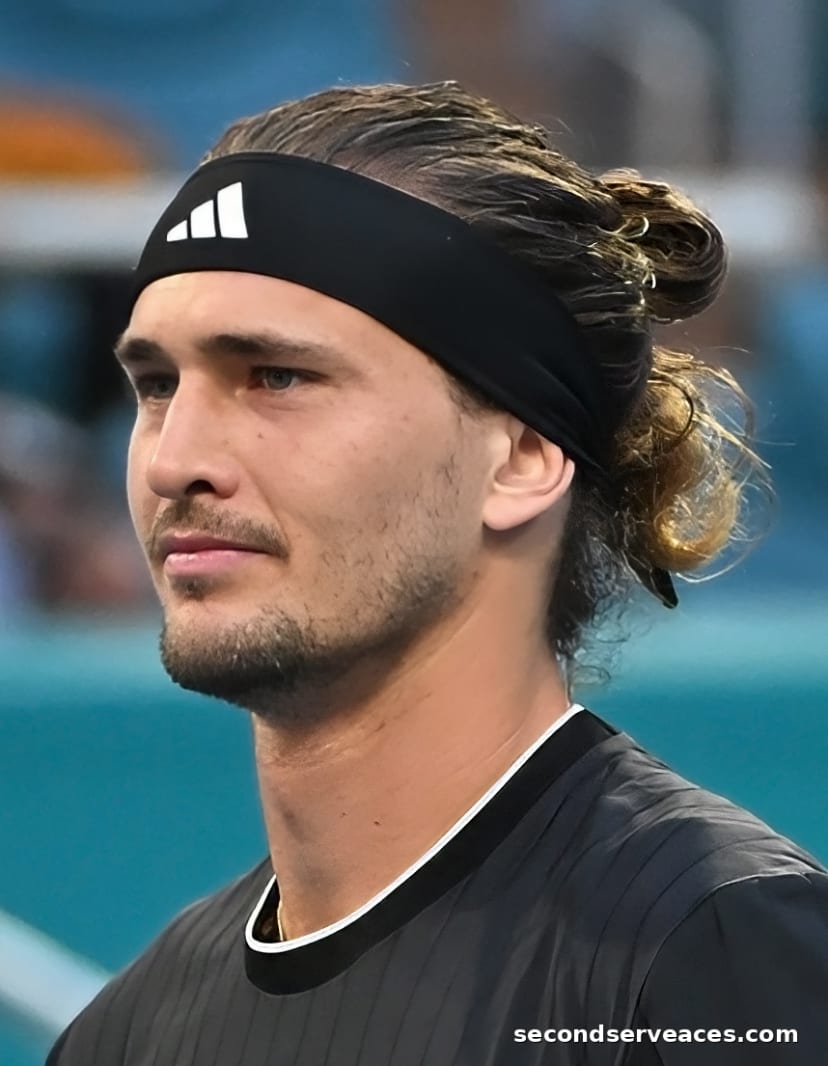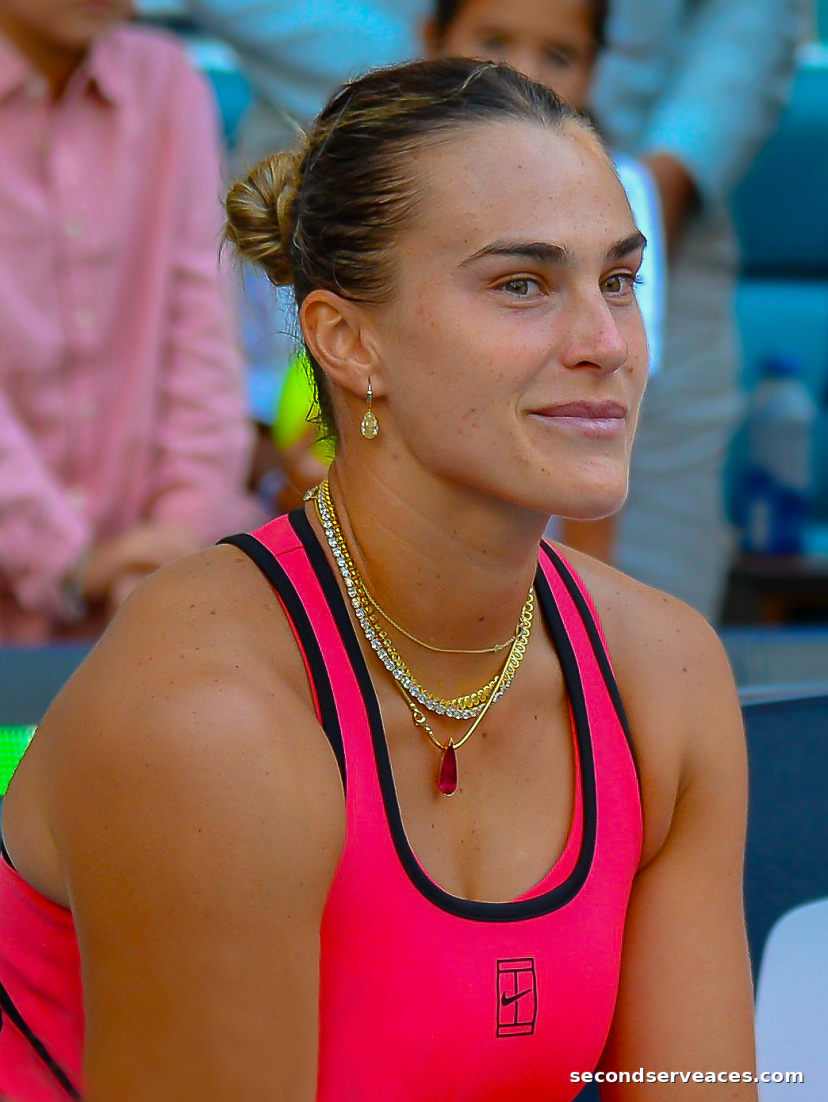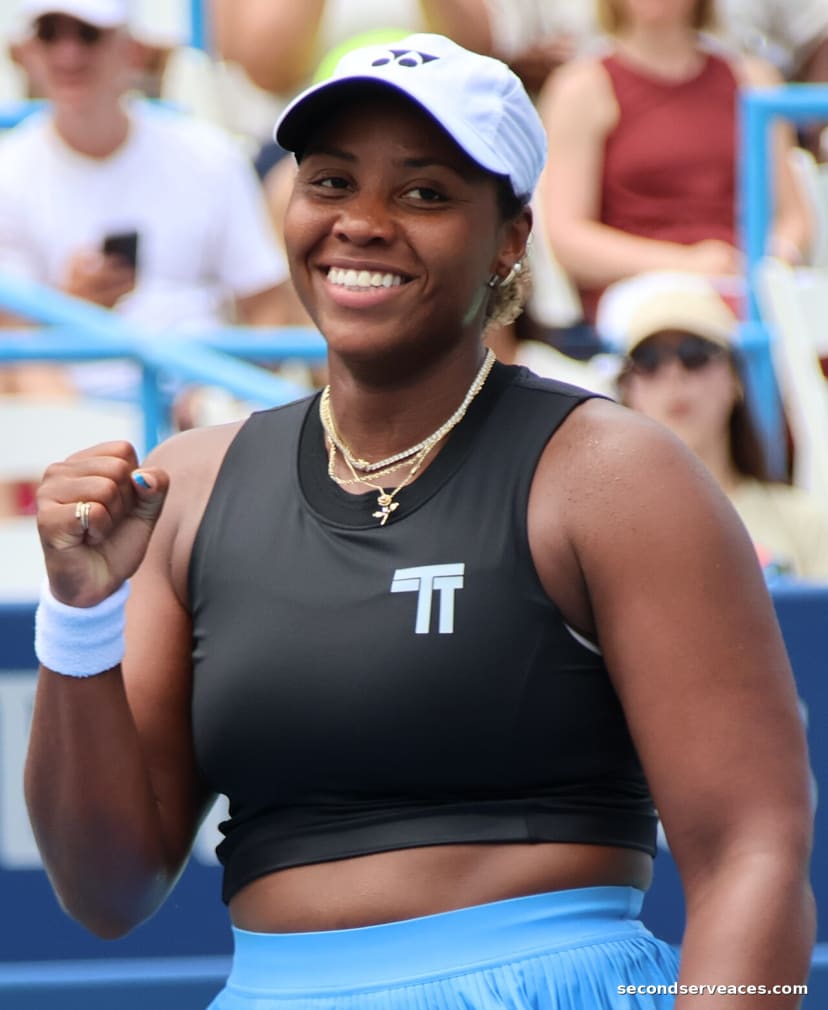
The physical and logistical toll of the March hard-court swing frequently leaves the tour’s elite battered by the time they reach Florida. Yet, Aryna Sabalenka has emerged from the American desert and the humid Atlantic coast looking entirely unbothered. Capturing the Miami Open crown by defeating Coco Gauff, the 27-year-old World No. 1 successfully defended her tournament title and achieved one of the rarest feats in modern tennis: the Sunshine Double.
Listen to the Second Serve Podcast
Get our daily AI-synthesized audio briefings and match reviews on the go.
Sabalenka’s 2026 campaign is rapidly transforming into a historic, structurally dominant run. She arrives at the clay season with a staggering 23-1 win-loss record, having already consolidated three massive hard-court trophies this season—Brisbane, Indian Wells, and now Miami. The latest triumph adds a 24th piece of hardware to her career cabinet.
By the Numbers: A Historic 2026
- Season Record: 23 wins, 1 loss.
- 2026 Titles: 3 (Brisbane, Indian Wells, Miami).
- Career Milestones: 24 WTA career titles, including 11 at the WTA 1000 level.
- Financial Yield: Over $2.3 million in prize money earned during the United States swing alone.
The Tactical Breakdown
When the tour transitions to the medium-fast courts of Miami, tactical geometry often supersedes raw baseline velocity. However, Sabalenka currently possesses an abundance of both. Against an elite defensive wall like Gauff, the Belarusian relies on relentless early-strike tennis to rob her American opponent of crucial recovery time.
Targeting the Forehand Wing
The overarching strategy centers on suffocating Gauff’s forehand. By injecting immense pace and heavy topspin deep into the ad court, Sabalenka forces Gauff to strike the ball off her back foot. This pattern structurally limits Gauff’s ability to change directions down the line. When a short ball inevitably arrives, Sabalenka shifts the match momentum by stepping inside the baseline and punishing the open space.
Navigating High-Leverage Moments
We must also evaluate the break point dynamics. Gauff possesses exceptional footspeed and high rally tolerance, frequently baiting aggressive players into unforced errors during critical games. Sabalenka countered this dynamic by prioritizing first-serve placement over sheer speed when facing break points. By targeting the Gauff backhand strictly to initiate neutral rallies—rather than swinging for outright aces—Sabalenka minimized her risk profile. It is a highly calculated approach from a player who previously relied on overwhelming, and sometimes erratic, force.
The Bigger Picture
Achieving the Sunshine Double elevates Sabalenka into an exclusive pantheon of WTA greats. Capturing Indian Wells and Miami consecutively requires an extraordinary blend of physical endurance and psychological resilience. These are traits historically embodied by icons like Serena Williams, though even Williams recognized the unique institutional friction of peaking in both California and Florida within a grueling four-week span.
At 27 years old, Sabalenka is establishing a distinct hegemony on the world's premier hard courts. While contemporaries like Elena Rybakina continue to push the envelope with enormous serving metrics, Sabalenka’s current 23-1 streak indicates a measurable separation from the rest of the top tier. Half of her career output—11 titles—now stems from the demanding WTA 1000 level, underscoring her ability to navigate deep, treacherous draws.
The structural evolution of the WTA Tour currently rewards those who can sustain aggressive baseline metrics across a punishing ten-month calendar. By successfully defending her Miami crown and sweeping the American spring hard-court swing, Sabalenka is not merely winning tournaments; she is establishing a baseline standard that the rest of the locker room must now strive to meet.
What Aryna Sabalenka Plays With
Wilson Blade 98 v9 (16x19)
Luxilon ALU Power 125
Analyze Aryna Sabalenka vs. Coco Gauff
Predict tactical adjustments, momentum swings, and serve strategy options for this match-up using our AI simulator.
The Aces Tactical Panel
This report was curated and edited by Bhaskar Goel. Tactical analysis and technical insights were provided by our specialized panel of expert correspondents.
Julian Price
Senior Tactical Correspondent
Stuffy, pedantic British academic and historian specializing in match momentum and historical context.
Elena Cruz
Director of Analytical Research
Data scientist specializing in court surface physics and movement patterns.
Bhaskar
The Editor & Fan
Passionate tennis player and site editor bringing everyday amateur insights and relatable fan commentary.
Arthur Vance
Senior Existential Analyst
Deep, eccentric, and DFW-inspired. Models court metaphysics, kinetic beauty, and player psychology.
Leo Sterling
High-Performance Consultant
Hard-nosed ex-trainer from Melbourne with a no-nonsense view on tour fitness.