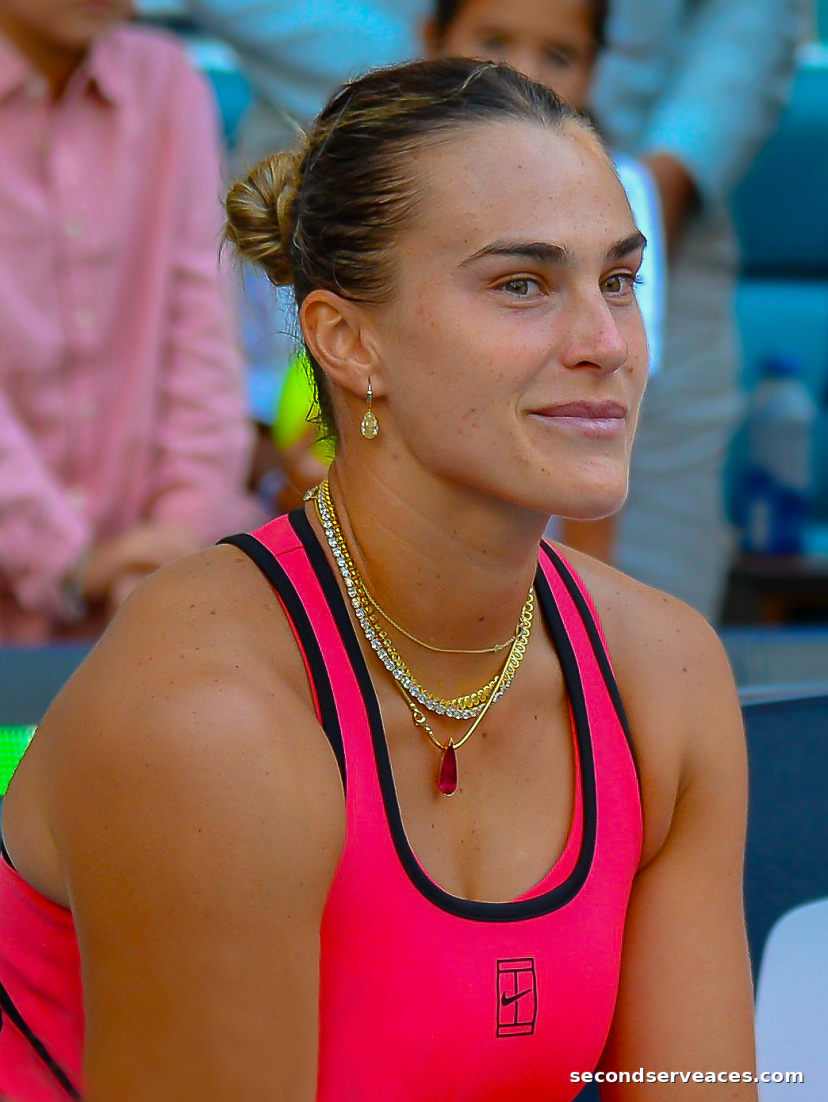
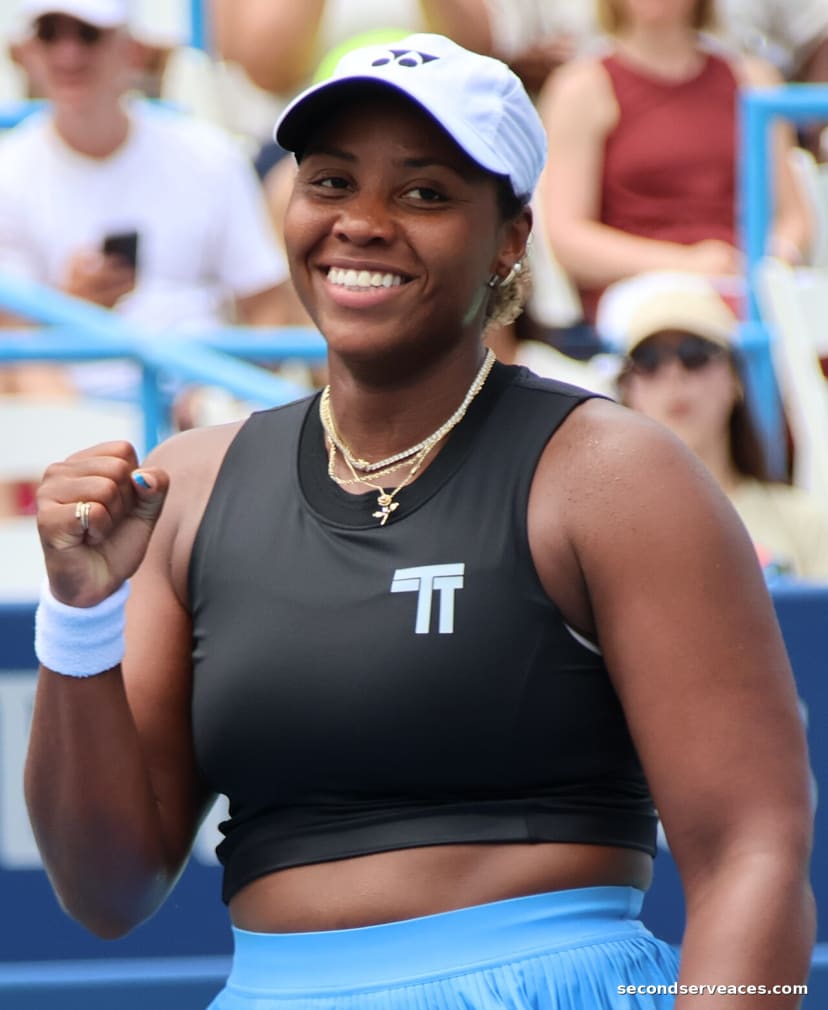
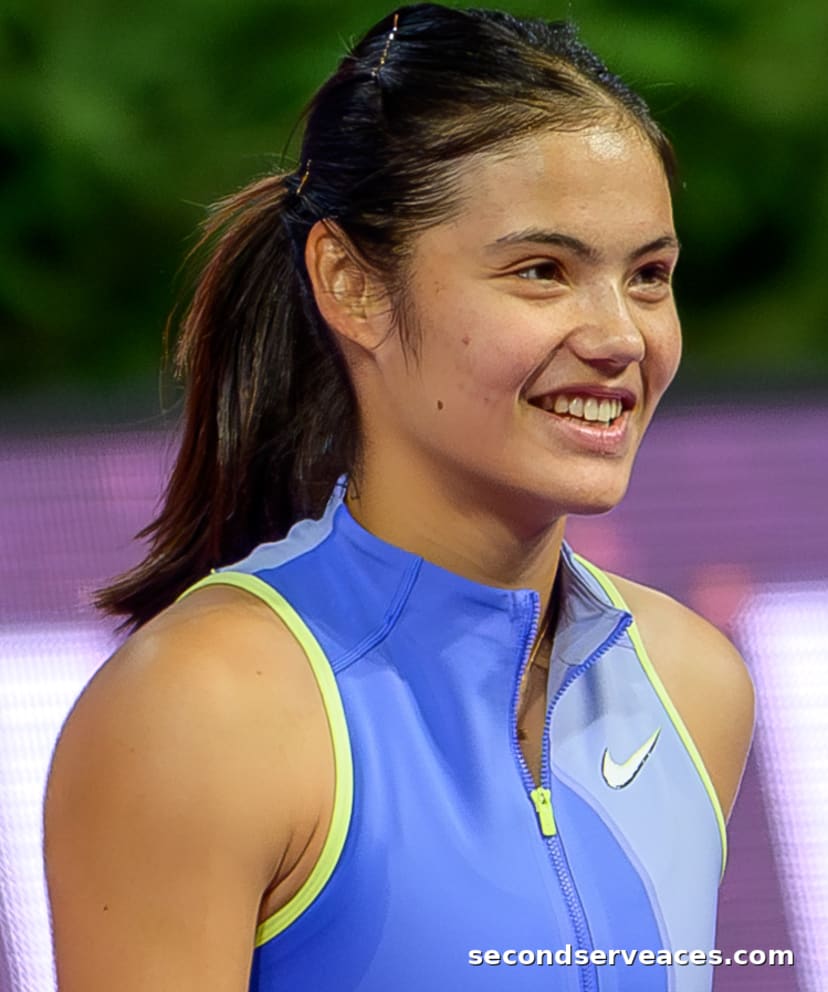
Are you kidding me? If you didn’t have your eyes glued to the court this Sunday in Tennis Paradise, you missed an absolute barnburner. I’ve seen a lot of finals in my time, but the sheer, unadulterated firepower on display at the Indian Wells Tennis Garden was enough to make the chair umpire flinch.
Listen to the Second Serve Podcast
Get our daily AI-synthesized audio briefings and match reviews on the go.
Let’s get one thing straight: Aryna Sabalenka and Elena Rybakina don’t just hit tennis balls; they try to completely dismantle them. In a clash of the titans that went right down to the wire, it was the No. 1 seed who ultimately blinked last. Sabalenka edged out the No. 3 seed Rybakina 6-3, 3-6, 7-6(6) to win her first BNP Paribas Open title, saving a match point in the process. You cannot teach that kind of nerve!
The Cold, Hard Facts
- The Result: Aryna Sabalenka defeated Elena Rybakina 6-3, 3-6, 7-6(6) to win her first BNP Paribas Open title.
- The Setting: The tournament final took place on a Sunday at the iconic Indian Wells Tennis Garden.
- The Seeding: Aryna Sabalenka entered the event as the No. 1 seed, while Elena Rybakina was the No. 3 seed.
- The Drama: Sabalenka saved a match point during the harrowing third set.
The Tactical Breakdown
When you have two heavyweight sluggers stepping onto a gritty, high-bouncing hard court like the one at Indian Wells, the match geometry shifts drastically. This wasn't about finesse or drop shots; this was a baseline war of attrition where the match momentum swung violently with every service game.
Historically, Sabalenka’s game is built on a foundation of raw, unmitigated aggression. She generates immense topspin on her forehand, pushing opponents deep behind the baseline to open up the court geometry for her devastating put-aways. Rybakina, on the other hand, possesses a much flatter, more penetrating ball strike. Rybakina’s objective is always to absorb pace, stay close to the baseline, and redirect the ball down the line before her opponent can recover.
What makes this specific matchup so fascinating is the contrast in their serves. Rybakina has arguably the most fluid, technically sound service motion on the WTA tour, allowing her to hit spots under immense pressure. But it was Sabalenka who dialed up the aggression when staring down the barrel of a match point. Surviving a break point or match point against a returner like Rybakina requires a willingness to live on the edge. Sabalenka clearly utilized her heavy kick serve, exploiting the high bounce of the Indian Wells hard courts to get the ball up above Rybakina's optimal strike zone, forcing a defensive reply.
The Bigger Picture
Let's look at what this means for the broader landscape of women's tennis. The modern WTA tour is increasingly being defined by a select few apex predators, and this rivalry is rapidly becoming the gold standard for high-octane tennis. When Sabalenka and Rybakina clash, it’s reminiscent of the heavy-hitting rivalries of the late 90s and early 2000s—pure, unadulterated power.
Capturing her first Indian Wells title is a massive statement from Sabalenka. Validating her position as the No. 1 seed at a tournament often referred to as the "Fifth Grand Slam" proves that she is not just a threat on the ultra-fast courts, but also on surfaces that require immense physical stamina and rally tolerance. This victory firmly establishes her as the player to beat as the tour grinds onward.
As for Rybakina, a loss of this magnitude stings, no doubt. Holding a match point and watching the trophy slip away is the kind of agonizing heartbreak that either breaks a player or fuels a legendary comeback. If I know anything about the stoic Kazakh, she’ll be back in the lab, fine-tuning her return game to ensure she doesn't leave the door cracked open next time. The officials better reinforce the baseline boundaries, because these two are going to be trading heavyweight blows for years to come.
What Aryna Sabalenka Plays With
Wilson Blade 98 v9 (16x19)
Luxilon ALU Power 125
Analyze Aryna Sabalenka vs. Elena Rybakina
Predict tactical adjustments, momentum swings, and serve strategy options for this match-up using our AI simulator.
The Aces Tactical Panel
This report was curated and edited by Bhaskar Goel. Tactical analysis and technical insights were provided by our specialized panel of expert correspondents.
Julian Price
Senior Tactical Correspondent
Stuffy, pedantic British academic and historian specializing in match momentum and historical context.
Elena Cruz
Director of Analytical Research
Data scientist specializing in court surface physics and movement patterns.
Bhaskar
The Editor & Fan
Passionate tennis player and site editor bringing everyday amateur insights and relatable fan commentary.
Arthur Vance
Senior Existential Analyst
Deep, eccentric, and DFW-inspired. Models court metaphysics, kinetic beauty, and player psychology.
Leo Sterling
High-Performance Consultant
Hard-nosed ex-trainer from Melbourne with a no-nonsense view on tour fitness.