
The modern professional tennis court is a theater of extreme physical compromise, where young joints are subjected to violent torque in exchange for baseline dominance. For Carlos Alcaraz, the bill came due in April when a right wrist injury forced him off the tour, silencing one of the most explosive forehands in the sport's history. After months of speculation, the 23-year-old Spaniard has confirmed his return for the 2026 tournament in New York, setting up a fascinating narrative of physical redemption on the hard courts of Flushing Meadows.
Listen to the Second Serve Podcast
Get our daily AI-synthesized audio briefings and match reviews on the go.
With Alcaraz currently sitting at No. 2 in the ATP rankings, his absence has felt like a missing gear in the tour's machinery. His recovery has been a quiet, deliberate process, watched closely by analysts who understand how easily a compromised wrist can derail an entire career. Now, the waiting is over, and the tennis world prepares to see if his aggressive, high-spin style can withstand the rigors of a two-week Grand Slam campaign.
The April Fracture and the Long Silence of the Right Wrist
Alcaraz's game is built on a foundation of sheer velocity and extreme topspin, a combination that requires immense wrist stability at the moment of contact. When he stepped away from the tour in April, it was a stark reminder of the fragile relationship between athletic genius and human anatomy. The right wrist, which acts as the final whip in his kinetic chain, had simply absorbed too much force, forcing a prolonged period of rehabilitation and competitive isolation.
His return was officially confirmed not through a sterile corporate press release, but via a direct social media post from the player himself. This personal declaration has electrified a fan base that had spent the summer wondering if the young Spaniard would be forced to skip the final Grand Slam of the year. The decision to play indicates that his medical team has cleared him for full-contact competition, though the transition from practice courts to five-set matches remains a formidable psychological hurdle.
We previously analyzed the competitive tension surrounding this recovery in our look at Novak Djokovic's tournament outlook amid Alcaraz's uncertainty. Now that the uncertainty has resolved into a concrete entry, the tournament's competitive balance has been thoroughly redrawn, forcing rivals to account for a wild card of immense, if slightly rusty, quality.
Roddick's Mechanical Verdict on the Low-Risk Return
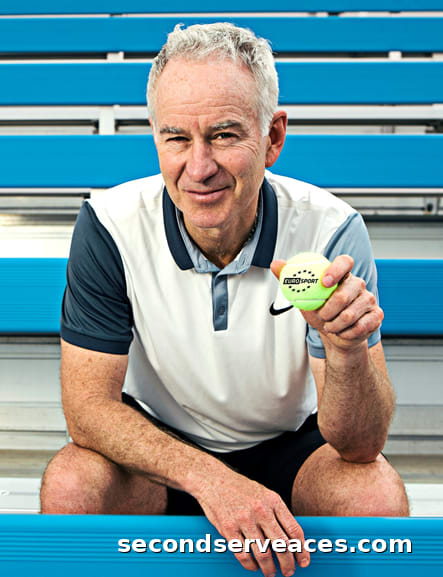
Former World No. 1 Andy Roddick has provided a reassuring perspective on the Spaniard's physical status, offering an analysis that downplays the likelihood of a relapse. Roddick, who retired with 32 career titles and possessed one of the most violent service motions in tennis history, stated that the risk of further injury for Alcaraz is "next to nothing" at this stage of his recovery. This mechanical confidence suggests that the structural damage has been fully repaired during the layoff.
Roddick's assessment is rooted in the reality of modern sports medicine, where players of Alcaraz's stature do not return to action without meeting rigorous strength and mobility benchmarks. If the wrist can withstand the high-velocity impact of a hard-court training block, the danger of acute reinjury is minimal. Instead, the primary challenge will be managing the inevitable competitive rust and the mental hesitation that accompanies a return from a joint injury.
For Alcaraz, whose forehand is a primary weapon, any subconscious holding back could prove fatal to his tournament aspirations. Roddick's public endorsement serves as a significant vote of confidence, suggesting that the physical foundation is secure enough for the Spaniard to swing with his customary, uninhibited freedom on the fast courts of the US Open.
The Mixed Doubles Gamble on the Hard Courts of Queens
In a highly unusual move for a top-tier singles contender, Alcaraz is expected to compete in both singles and mixed doubles at Flushing Meadows. This dual-entry strategy has raised eyebrows across the tour, as it significantly increases his total time on court. For a player returning from a four-month wrist injury, adding extra matches to an already grueling schedule seems counterintuitive.
However, the decision may be a calculated effort to rebuild his competitive instincts without the intense physical toll of singles play. Mixed doubles offers a different rhythm, allowing Alcaraz to practice his net play, sharp-angle volleys, and service returns in a slightly less demanding environment. It could serve as a highly functional, live-action training ground to sharpen his hand-eye coordination and spatial awareness.
The risk, of course, is physical fatigue. The hard courts of New York are notoriously unforgiving on the lower body, and any extra movement increases the wear and tear on his recovering frame. Whether this double-duty strategy pays off or backfires will be one of the most compelling subplots of the tournament's first week.
The Vacuum Left by Sinner's Sudden Knee Injury
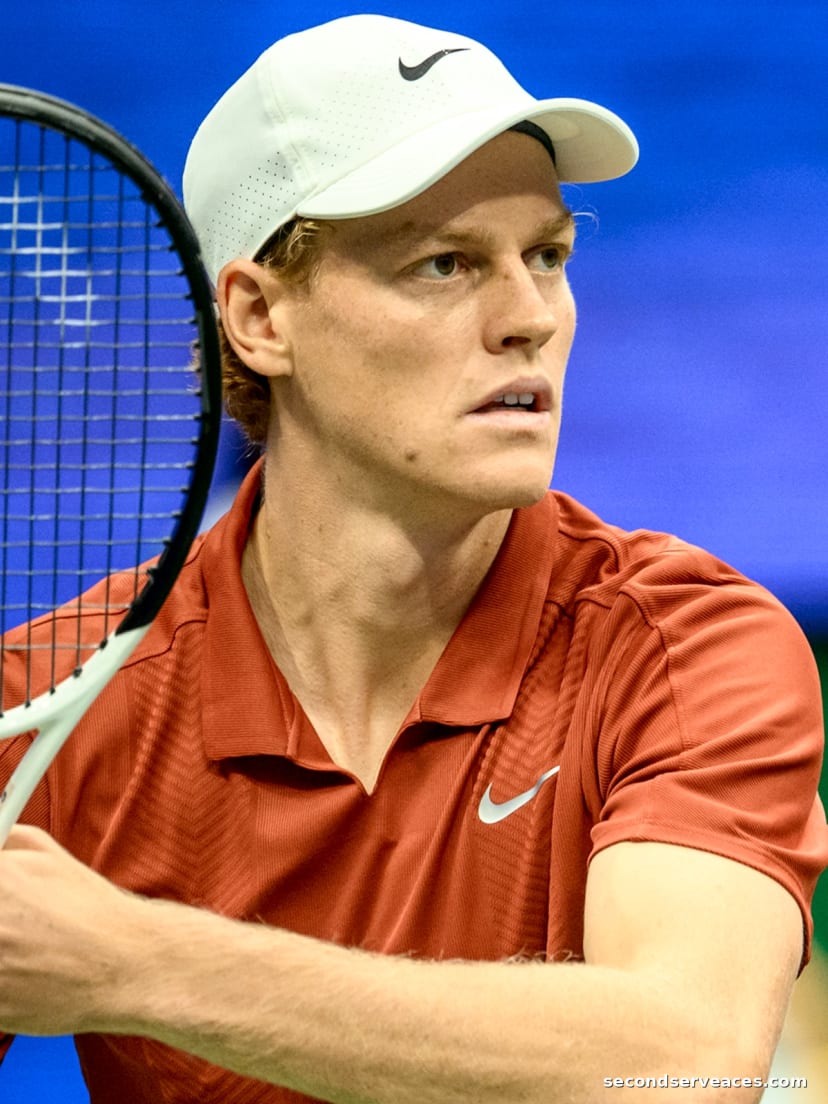
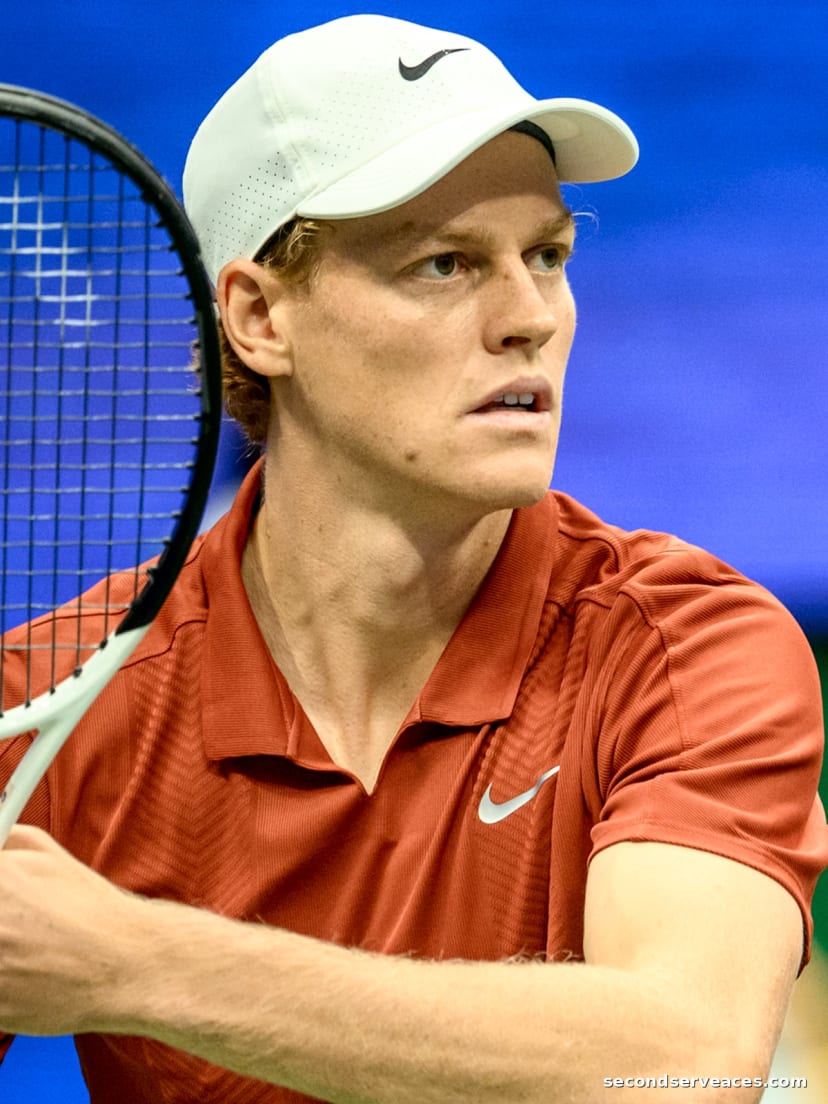
The competitive dynamics of this year's tournament have been fundamentally altered by the withdrawal of World No. 1 Jannik Sinner. The Italian superstar was forced to pull out of the event due to a lingering knee injury, removing one-half of the sport's most compelling modern rivalry from the draw. Sinner's absence leaves a massive void at the top of the seeding list and changes the path to the trophy for every remaining contender.
We detailed the immediate fallout of this major withdrawal in our report on Sinner and Draper's sudden exit. Without Sinner to anchor the opposite side of the bracket, the pressure shifts heavily onto Alcaraz and Djokovic to carry the star power of the men's event, even as Alcaraz battles his own physical limitations.
For Alcaraz, Sinner's absence is both an opportunity and a warning. It removes a rival who has consistently pushed him to his physical limits, but it also highlights the brutal physical toll of the modern tour. As the tournament begins, Alcaraz must navigate his early-round matches with a focus on efficiency, preserving his body for the deep-water matches of the second week.
Rivalry Matchup & Player Profiles
| Metric | Carlos Alcaraz | Andy Roddick |
|---|---|---|
| Rank | No. 2 | Retired |
| Country | Spain | United States |
| Age | 23 | 43 |
| Height | 6'0" (1.83 m) | 6'2" (1.88 m) |
| Handedness | Right-handed | Right-handed |
| Play Style | All-court / Aggressive baseliner | Aggressive baseliner / Big server |
| Career Titles | 26 | 32 |
Carlos Alcaraz and Andy Roddick represent two entirely different eras of power tennis. Roddick, the 2003 US Open champion, retired from professional tennis in 2012 when Alcaraz was only nine years old, meaning their official head-to-head record remains a permanent 0-0. Yet, Roddick's analytical transition into one of the sport's most respected voices bridges the gap between his era's reliance on flat, heavy serves and Alcaraz's hyper-athletic, high-topspin baseline game.
While Roddick relied on his legendary serve and punishing forehand to dominate on fast hard courts, Alcaraz utilizes a more varied, all-court approach that blends drop shots and explosive court coverage. Roddick's endorsement of Alcaraz's physical readiness underscores the mutual respect between generations of hard-court champions, adding a layer of historical context to the Spaniard's highly anticipated return to Flushing Meadows.
What Carlos Alcaraz Plays With
Babolat Pure Aero 98
Babolat RPM Blast 1.30
Babolat VS Original (12-Pack)
Nike Vapor Pro 2
Analyze Carlos Alcaraz vs. Andy Roddick
Predict tactical adjustments, momentum swings, and serve strategy options for this match-up using our AI simulator.
The Aces Tactical Panel
This report was curated and edited by Bhaskar Goel. Tactical analysis and technical insights were provided by our specialized panel of expert correspondents.
Julian Price
Senior Tactical Correspondent
Stuffy, pedantic British academic and historian specializing in match momentum and historical context.
Elena Cruz
Director of Analytical Research
Data scientist specializing in court surface physics and movement patterns.
Bhaskar
The Editor & Fan
Passionate tennis player and site editor bringing everyday amateur insights and relatable fan commentary.
Arthur Vance
Senior Existential Analyst
Deep, eccentric, and DFW-inspired. Models court metaphysics, kinetic beauty, and player psychology.
Leo Sterling
High-Performance Consultant
Hard-nosed ex-trainer from Melbourne with a no-nonsense view on tour fitness.
Related Reports
Quick Answers
When did Carlos Alcaraz suffer the wrist injury that kept him out of action?+
Carlos Alcaraz has been out of professional competition since April recovering from his right wrist injury.
What did Andy Roddick say about Carlos Alcaraz's risk of further injury?+
Andy Roddick stated that the risk of further injury for Carlos Alcaraz upon his return is 'next to nothing'.
Which other events will Carlos Alcaraz play at the 2026 US Open besides singles?+
In addition to the singles draw, Carlos Alcaraz is also expected to compete in the mixed doubles event at Flushing Meadows.