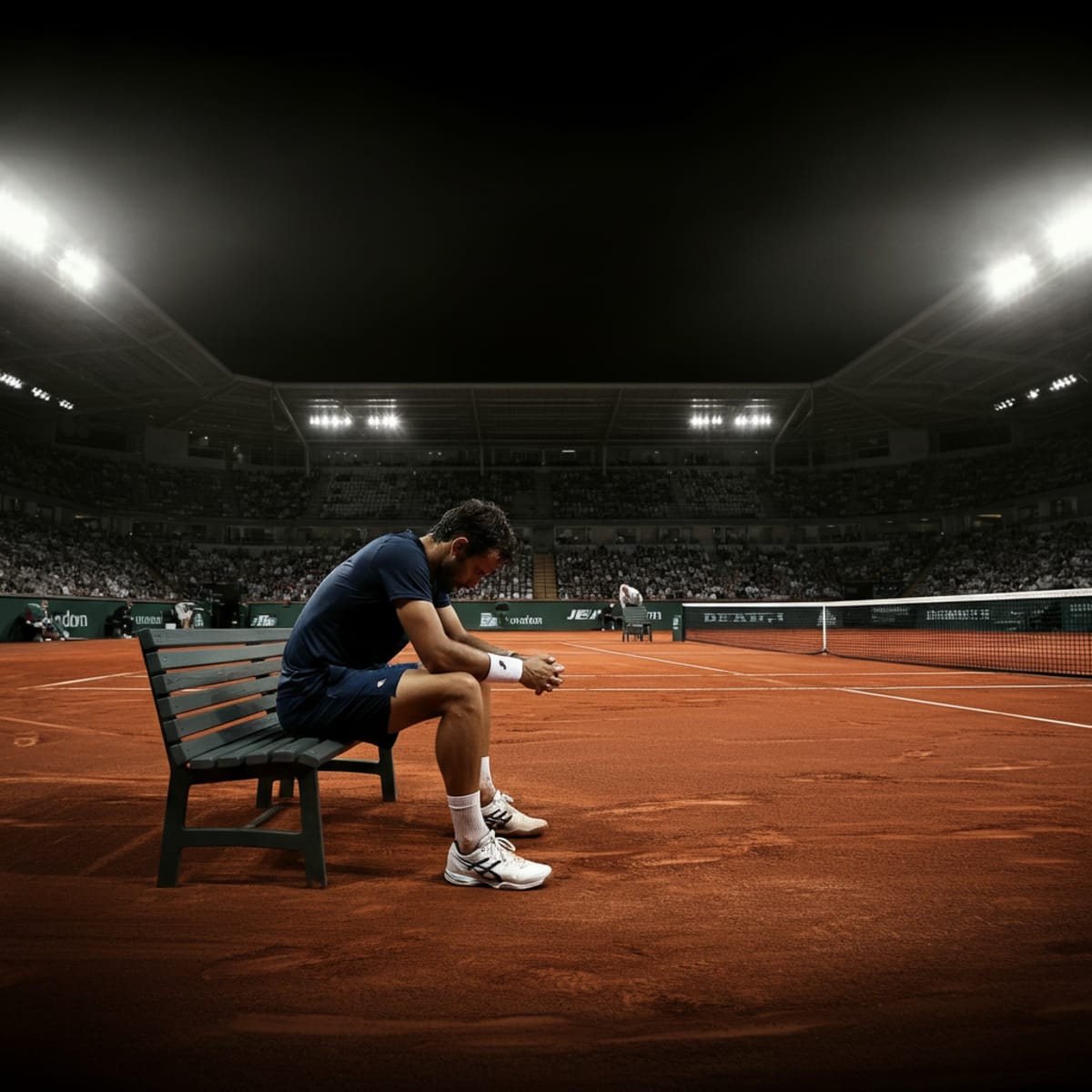
In the arena of professional tennis, the body is the ultimate architect of the scoreline. When the gears grind to a halt, no amount of tactical genius or historical weight can force the machinery forward. As the Madrid Open approaches on April 21, the draw has lost its two most compelling gravitational forces: Carlos Alcaraz and Novak Djokovic. Their absence is not merely a scheduling footnote; it is a stark reminder that even the world's most elite athletes are held hostage by the same biological limits that haunt the local club player.
Listen to the Second Serve Podcast
Get our daily AI-synthesized audio briefings and match reviews on the go.
The Lingering Wrist and the Burden of Expectations
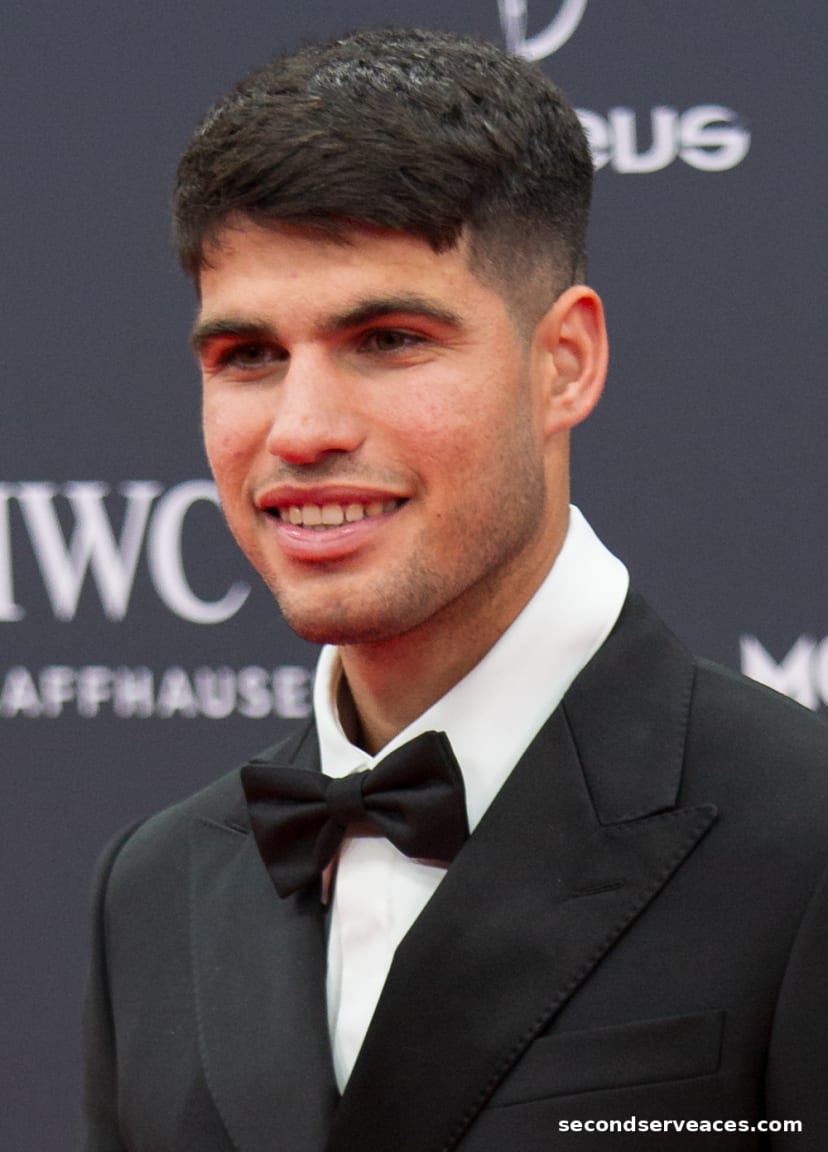
For Alcaraz, the ATP Tour’s young titan, the court has become a place of frustration rather than expression. A persistent wrist injury has stripped him of the ability to whip his forehand with the lethal topspin that defines his aggressive style. This same ailment forced his exit from the Barcelona Open, and the decision to bypass Madrid suggests a cautious, long-term approach to the grueling clay season.
Tennis is a game of fine margins, where a millimeter of inflammation in the wrist can derail a career. Alcaraz is learning the hardest lesson in the sport: playing through pain is a romantic notion that rarely pays dividends in the modern game. His focus must remain on the long-range horizon, specifically the French Open window, which looms from May 18 to June 7.
This forced recovery period is an exercise in mental discipline. To sit on the sidelines while his peers battle for ranking points requires a different kind of intensity than what is found in a tie-break. Alcaraz is fighting the clock, not an opponent, and the pressure to return at full capacity will only mount as the Parisian clay beckons.
A Serbian Titan Navigating the Physical Toll
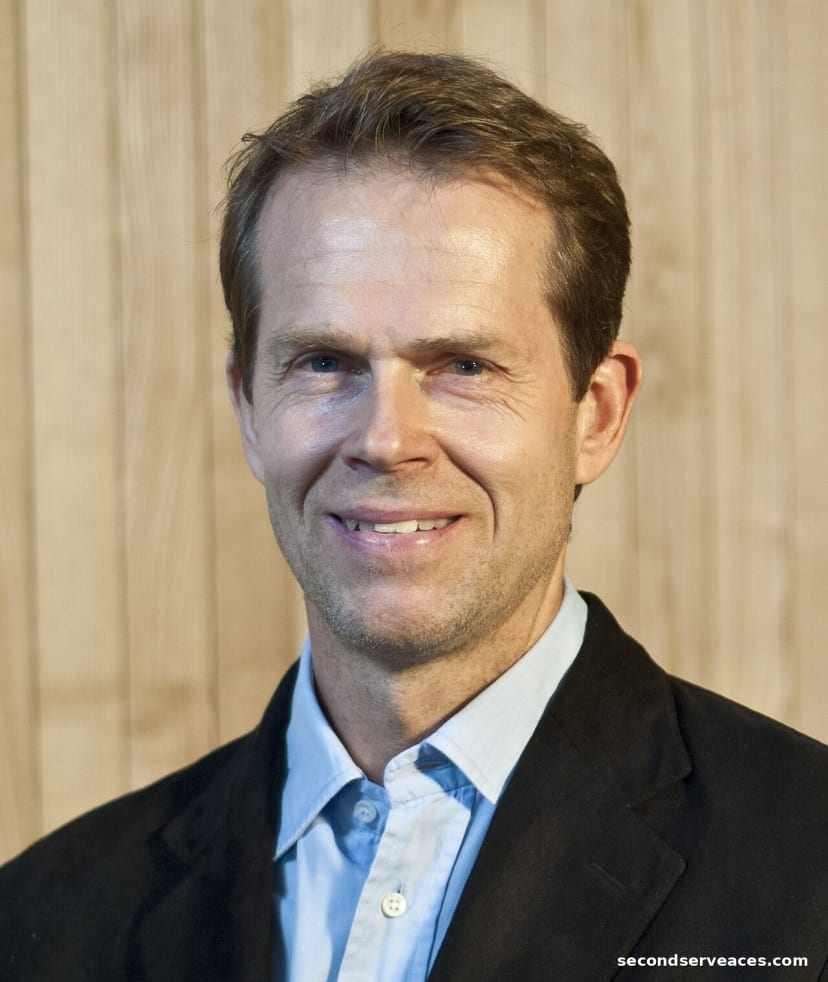
Across the locker room, the story takes on a different hue for Djokovic. Having been absent from competition since the Indian Wells tournament, the world number one is nursing a shoulder injury that has silenced his racquet for weeks. At this stage of his career, Djokovic understands that the ATP Tour is a war of attrition; he isn't playing for participation, but for total dominance at the majors.
The shoulder is the engine of the serve, and for a player whose precision is his primary weapon, a compromised wing is a non-starter. Djokovic has built his life around the rhythm of match play, and this extended hiatus is an anomaly in his training cycle. He is sacrificing Madrid to ensure the integrity of his mechanics for the upcoming Grand Slam cycle.
The mental grind here is internal. Watching the game evolve in real-time from afar forces an athlete to stay sharp without the benefit of adrenaline. Djokovic is a master of recalibration, but the physical reality of the shoulder means that even the most prepared athlete must concede to the limitations of their biology.
The Ripple Effect Through the ATP Draw
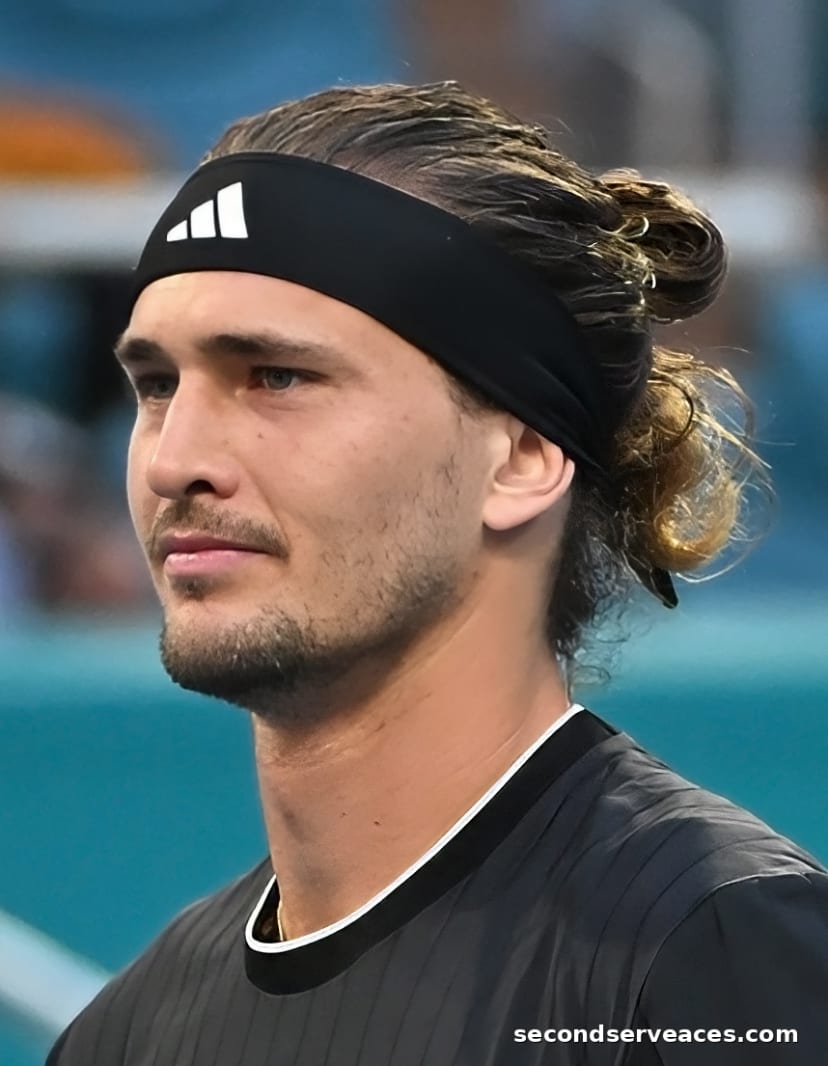
The absence of the two favorites creates a vacuum in the draw that shifts the pressure onto the rest of the field. Players like Jack Draper, who unfortunately also saw his own momentum stalled by a knee injury during his retirement in Barcelona, represent the volatility of the current landscape. Injuries are not distributed equally, but they are an ever-present reality for every man on the ATP rankings board.
For the field left in Madrid, the opportunity is obvious, but the narrative remains unchanged. Every tournament serves as a precursor to the true test at Roland-Garros. The race for fitness is now the most important match of the season. Coaches and physios are the most vital team members, as players look to manage their loads to ensure they are standing when the final ball of the French Open is struck.
The reality is that a shortened clay season changes the texture of the lead-up. Without Alcaraz and Djokovic, the tactical questions of the tournament change—who dictates the baseline, who handles the sliding better? We are witnessing a transition where match momentum is replaced by recovery protocols. It is a necessary sacrifice, but one that leaves the tour feeling profoundly different as we head toward the biggest stages of the year.
What Carlos Alcaraz Plays With
Babolat Pure Aero 98
Babolat RPM Blast 1.30
Nike Vapor Pro 2
Analyze Carlos Alcaraz vs. Novak Djokovic
Predict tactical adjustments, momentum swings, and serve strategy options for this match-up using our AI simulator.
The Aces Tactical Panel
This report was curated and edited by Bhaskar Goel. Tactical analysis and technical insights were provided by our specialized panel of expert correspondents.
Julian Price
Senior Tactical Correspondent
Stuffy, pedantic British academic and historian specializing in match momentum and historical context.
Elena Cruz
Director of Analytical Research
Data scientist specializing in court surface physics and movement patterns.
Bhaskar
The Editor & Fan
Passionate tennis player and site editor bringing everyday amateur insights and relatable fan commentary.
Arthur Vance
Senior Existential Analyst
Deep, eccentric, and DFW-inspired. Models court metaphysics, kinetic beauty, and player psychology.
Leo Sterling
High-Performance Consultant
Hard-nosed ex-trainer from Melbourne with a no-nonsense view on tour fitness.