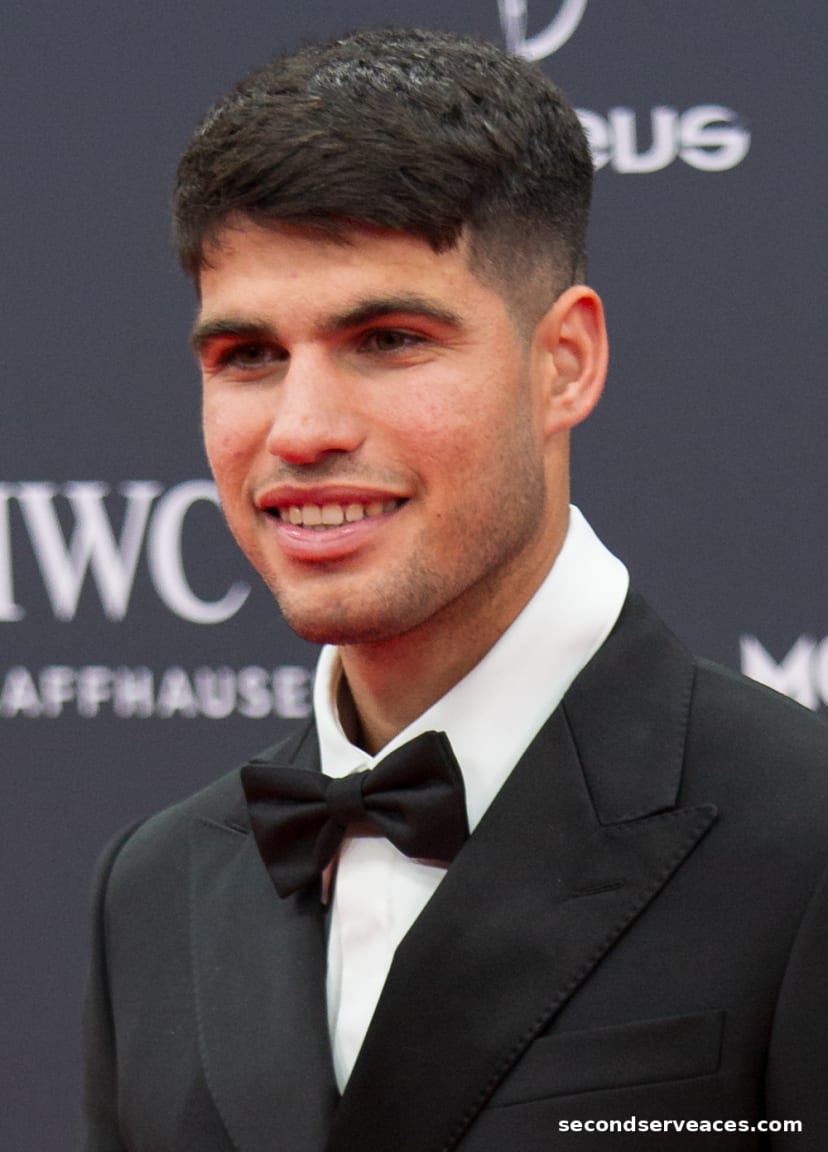
The precise geometry of the Madrid Open—a tournament defined by the idiosyncratic physics of high-altitude clay—is undergoing a sudden, forced recalibration. As of this week, the event’s narrative center has shifted violently, following the confirmed withdrawals of Carlos Alcaraz and Novak Djokovic.
Listen to the Second Serve Podcast
Get our daily AI-synthesized audio briefings and match reviews on the go.
For the aficionados who view the red dirt of the Caja Mágica as a canvas for the game’s most intricate tactical patterns, the absence of these two titans creates a vacuum that is as existential as it is competitive. Djokovic, citing ongoing recovery needs, has removed his metronomic baseline defense from the draw, leaving a hole where his particular brand of pressure-cooker intensity usually thrives.
The April 24th Reality Check
The tournament, slated to commence on Friday, April 24th, now faces a stark logistical and aesthetic reality. Without the kinetic volatility of Alcaraz—who often uses the thin Madrid air to imbue his heavy topspin with unnatural, unpredictable kick—the field feels fundamentally altered before the first ball has even been struck.
This is not merely a personnel change; it is a shift in the gravitational pull of the draw. The remaining competitors must now account for the absence of the two players who have, in various ways, set the ceiling for excellence on this surface. The tactical preparations for every remaining contender, from heavy baseliners to serve-and-volley specialists, are effectively obsolete.
Sinner’s Mathematical Burden at the Top
At the center of this debris field stands Jannik Sinner. Holding a 390-point lead in the ATP rankings, the world number one now faces a decision that transcends mere schedule management. The calculus of his participation is no longer about testing his mettle against the icons of the sport, but about the cold, hard arithmetic of defending his position at the summit.
Sinner’s decision to play or withdraw will inevitably define the narrative arc of the tournament’s opening week. Does the Italian choose to pursue the points necessary to insulate his lead, or does he view the altered draw as an unnecessary risk to his physical preservation? His choice will echo through the remainder of the clay season.
A Tournament Without the Defending Narrative
We are reminded, with somewhat haunting clarity, that the sport’s history is essentially a series of shifting mandates. With Casper Ruud having claimed the previous title in a final against Jack Draper, the Madrid Open has already proven it can provide a stage for those looking to disrupt the established order. The 2026 iteration now becomes an even greater opportunity for the tour’s secondary tier.
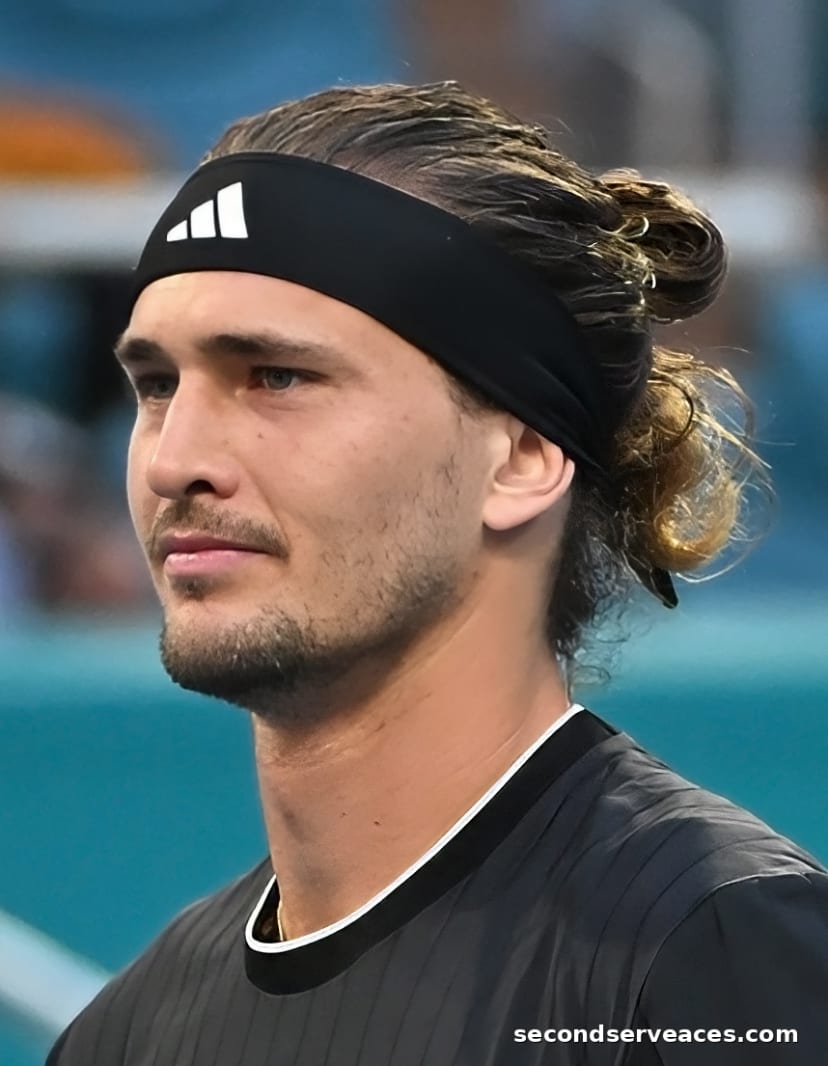
Players like Alexander Zverev or even the unpredictable Cerundolo must surely feel the window of possibility swinging wider on its hinges. In the absence of the sport’s most luminous names, the tournament reverts to a contest of pure endurance and tactical discipline, stripped of the celebrity weight that usually anchors its marquee sessions.
What Jannik Sinner Plays With
Head Speed MP 2024
Head Hawk Touch 1.25
Nike GP Challenge 1
Analyze Jannik Sinner vs. Carlos Alcaraz
Predict tactical adjustments, momentum swings, and serve strategy options for this match-up using our AI simulator.
The Aces Tactical Panel
This report was curated and edited by Bhaskar Goel. Tactical analysis and technical insights were provided by our specialized panel of expert correspondents.
Julian Price
Senior Tactical Correspondent
Stuffy, pedantic British academic and historian specializing in match momentum and historical context.
Elena Cruz
Director of Analytical Research
Data scientist specializing in court surface physics and movement patterns.
Bhaskar
The Editor & Fan
Passionate tennis player and site editor bringing everyday amateur insights and relatable fan commentary.
Arthur Vance
Senior Existential Analyst
Deep, eccentric, and DFW-inspired. Models court metaphysics, kinetic beauty, and player psychology.
Leo Sterling
High-Performance Consultant
Hard-nosed ex-trainer from Melbourne with a no-nonsense view on tour fitness.