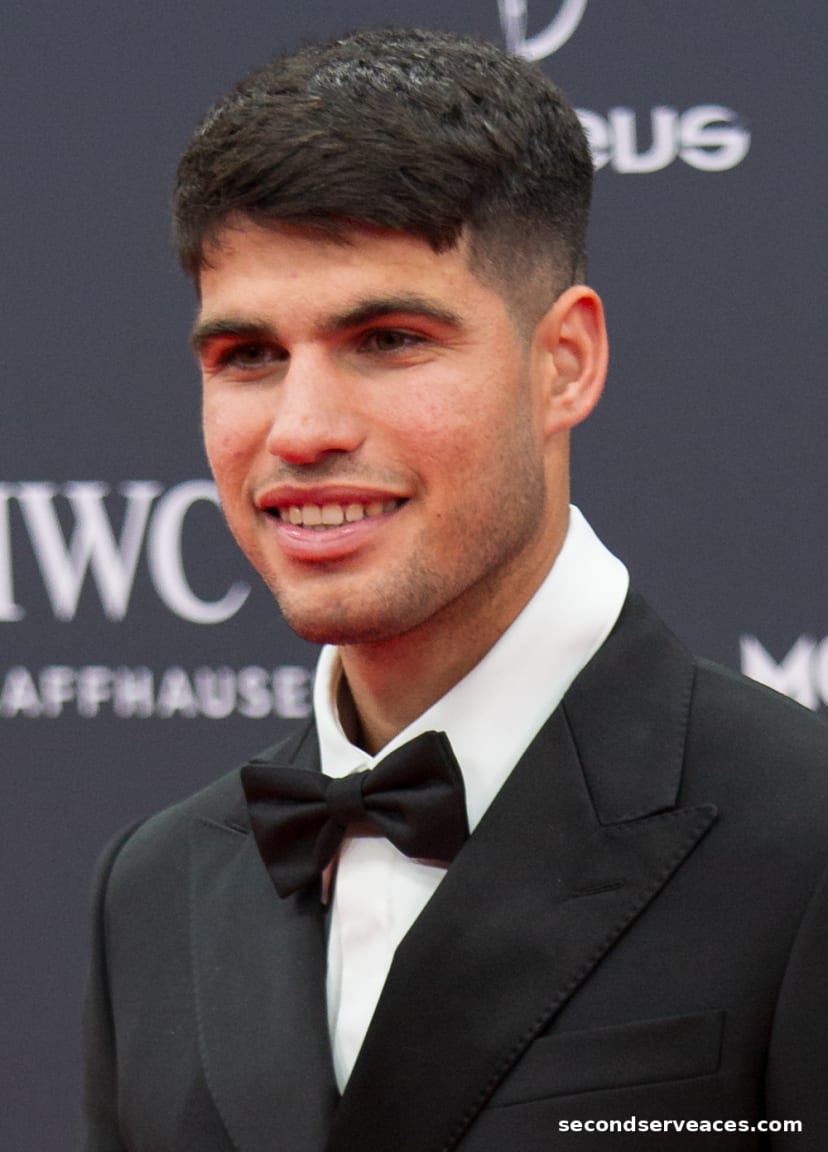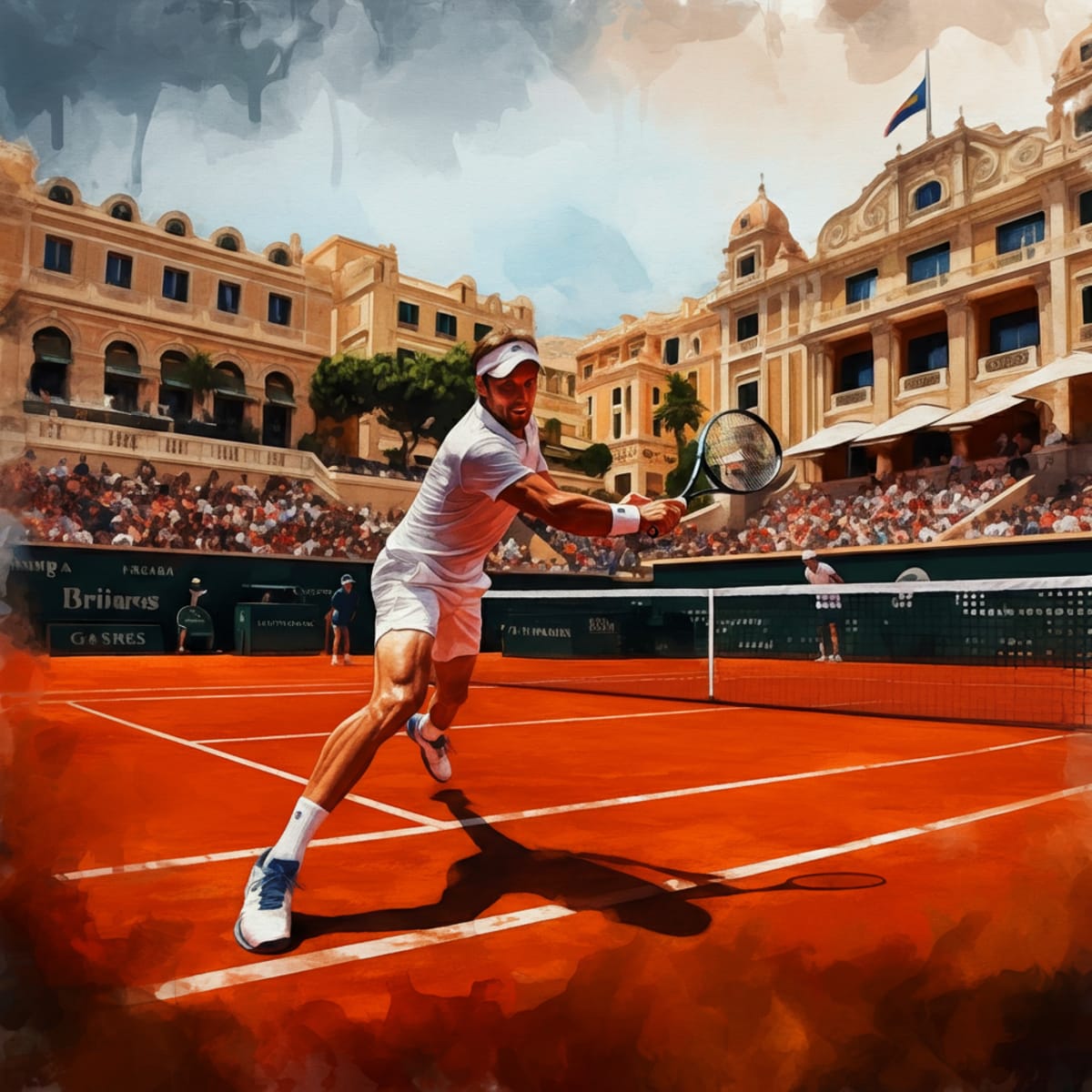
The geometry of tennis is, at its core, a conversation about space and the persistent refusal to yield it. As we descend upon the Monte Carlo Masters, the conversation has narrowed to the mathematical inevitability of a two-man sprint. Carlos Alcaraz arrives with 13,590 ATP ranking points, a buffer that feels both substantial and paradoxically fragile when measured against the 12,400 points held by Jannik Sinner. The clay, with its sluggish, friction-heavy surface, demands a different type of physics than the hard courts of Miami where Alcaraz felt the sting of a 3-6, 7-5, 4-6 loss to Sebastian Korda.
Listen to the Second Serve Podcast
Get our daily AI-synthesized audio briefings and match reviews on the go.
The Second Round: Navigating the Surface
For Sinner, the transition to Monte Carlo was a test of survival against the kinetic, disruptive style of Tomáš Macháč. The result was a 6-1, 6-7, 6-3 victory—a scoreline that reflects the erratic, high-variance nature of adjusting one's footwork to the damp, heavy sediment of the Mediterranean coast. It is a reminder that on clay, momentum is not a steady current; it is a series of contested micro-events, where every break point is a reclamation project.
The Quarterfinal Ascent
Alcaraz’s trajectory into the quarterfinals followed a rhythm of restoration. After dispatching the rugged, baseline-grinding game of Tomás Martín Etcheverry with a 6-1, 4-6, 6-3 score, the World No. 1 signaled that his calibration is near complete. The ball, when struck by Alcaraz, finds a heavy, dipping arc that forces his opponent to lift the ball from the depths of the court—a tactical imperative as the tour turns its gaze toward the Barcelona Open on April 13, 2026.
The Horizon of the Ranking Race
The field remains crowded with dangerous, mercurial talents like Daniil Medvedev, Sebastian Korda, Jakub Mensik, Alexander Bublik, Gael Monfils, Jiri Lehecka, Felix Auger-Aliassime, and Ugo Humbert. Yet, the narrative focus remains locked on the two leaders. The points are not merely numbers; they are the physical manifestation of who can impose their will upon the slow, unyielding surface of the European swing.
What Carlos Alcaraz Plays With
Babolat Pure Aero 98
Babolat RPM Blast 1.30
Nike Vapor Pro 2
Analyze Carlos Alcaraz vs. Jannik Sinner
Predict tactical adjustments, momentum swings, and serve strategy options for this match-up using our AI simulator.
The Aces Tactical Panel
This report was curated and edited by Bhaskar Goel. Tactical analysis and technical insights were provided by our specialized panel of expert correspondents.
Julian Price
Senior Tactical Correspondent
Stuffy, pedantic British academic and historian specializing in match momentum and historical context.
Elena Cruz
Director of Analytical Research
Data scientist specializing in court surface physics and movement patterns.
Bhaskar
The Editor & Fan
Passionate tennis player and site editor bringing everyday amateur insights and relatable fan commentary.
Arthur Vance
Senior Existential Analyst
Deep, eccentric, and DFW-inspired. Models court metaphysics, kinetic beauty, and player psychology.
Leo Sterling
High-Performance Consultant
Hard-nosed ex-trainer from Melbourne with a no-nonsense view on tour fitness.