Breaking Down the $108 Million Total Purse and the $5.5 Million Champion Windfall
The United States Tennis Association's announcement of a record-breaking $108 million total prize money purse at the US Open represents a massive financial escalation. This figure eclipses all other Grand Slam payouts, establishing a new baseline for how the sport values its elite participants. For those who survive the grueling fortnight to lift the singles trophies, the financial reward is an eye-watering $5.5 million each for the men's and women's champions.
Listen to the Second Serve Podcast
Get our daily AI-synthesized audio briefings and match reviews on the go.
This represents a distinct shift in the economic structure of professional tennis, especially when compared to the broader landscape described in our analysis of the sport's post-Big-Three era. While the top-tier stars continue to accumulate generational wealth, the distribution model is beginning to bend—slightly, but perceptibly—toward the collective middle class of the WTA and ATP tours.
The 16% and 27% Payout Bumps for Early-Round Competitors and Qualifiers
The real story of this $108 million allocation lies not at the glittering apex, but in the dirt and heat of the qualifying draws. Players departing in the very first round of US Open qualifying will now pocket $32,000, representing a substantial 16% increase over the previous year's compensation. For a lower-ranked competitor traveling with a coach and managing weekly expenses, this bump is the difference between solvency and sinking.
Step into the main draw, and the numbers become even more dramatic. First-round main draw participants who exit on day one or two will receive $140,000, a massive 27% increase from last year. This structured redistribution ensures that even if a player's stay on the blue asphalt is brief, their balance sheet remains robust enough to fund several months of tour travel, coaching, and physical therapy.
Evaluating the $1 Million Doubles Split and the Broader Tour Implications
Doubles specialists, long vocal about their share of the Grand Slam pie, also see a recalibration. The championship-winning teams in men's, women's, and mixed doubles will now split a $1 million purse. This boost helps validate the specialized craft of players like Katerina Siniakova and Taylor Townsend, who often carry double duty across singles and doubles draws, maximizing their physical output under the brutal New York humidity.
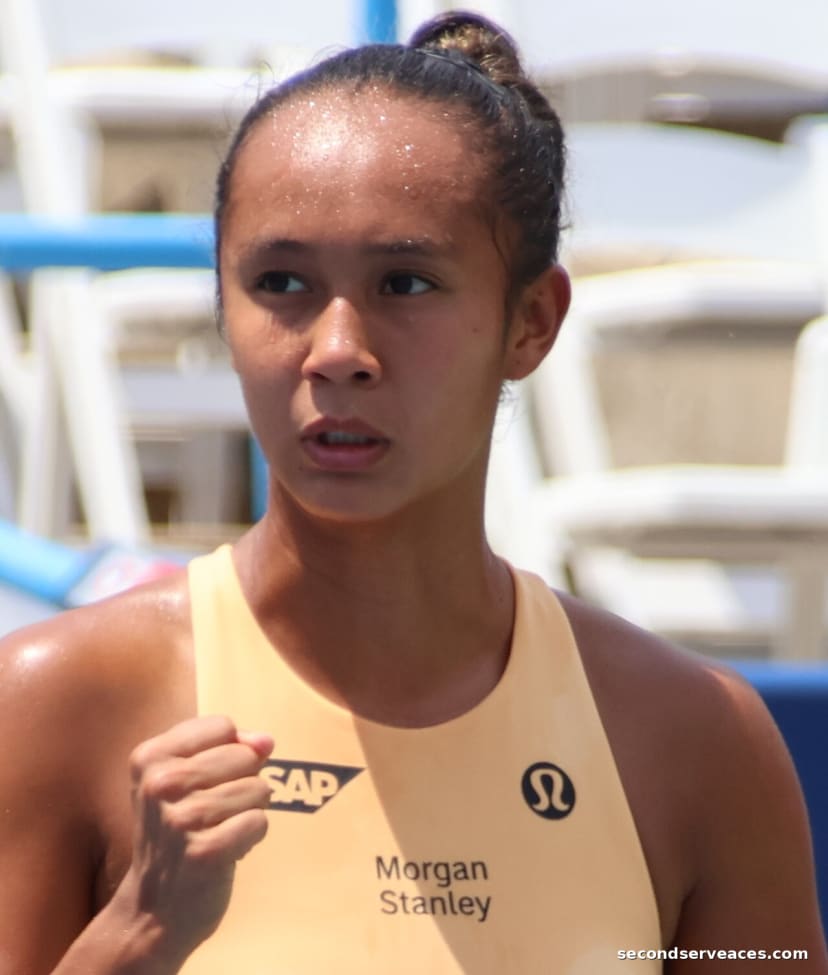
This financial injection comes at a time when the physical demands of the sport are higher than ever. Whether it is a veteran like Venus Williams or a rising force like Leylah Fernandez, the sheer physical toll of modern baseline exchanges requires an entourage of specialists. Increased early-round payouts directly fund these support systems, ultimately raising the overall quality of play across the entire tournament draw, as we saw during the rain-delayed matches in our previous coverage of the Cincinnati Open.
| US Open Round / Category | 2026 Payout | Percentage Increase (YoY) |
|---|---|---|
| First-Round Qualifying Losers | $32,000 | 16% |
| First-Round Main Draw Participants | $140,000 | 27% |
| Singles Champions (Men & Women) | $5,500,000 | N/A |
| Doubles Champion Teams (Split) | $1,000,000 | N/A |
| Total Tournament Purse | $108,000,000 | N/A |
Rivalry Matchup & Player Profiles
| Metric | Maja Chwalinska | Coco Gauff |
|---|---|---|
| Rank | 23 | 4 |
| Age | 24 | 22 |
| Country | Poland | United States |
| Height | 5' 5" (1.64 m) | 5' 9" (1.75 m) |
| Handedness | Left-handed | Right-handed |
| Play Style | Crafty variety player | Aggressive baseliner |
| Career Titles | 3 WTA 125 titles | 12 |
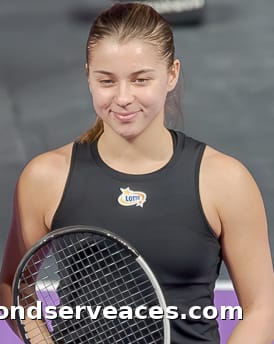
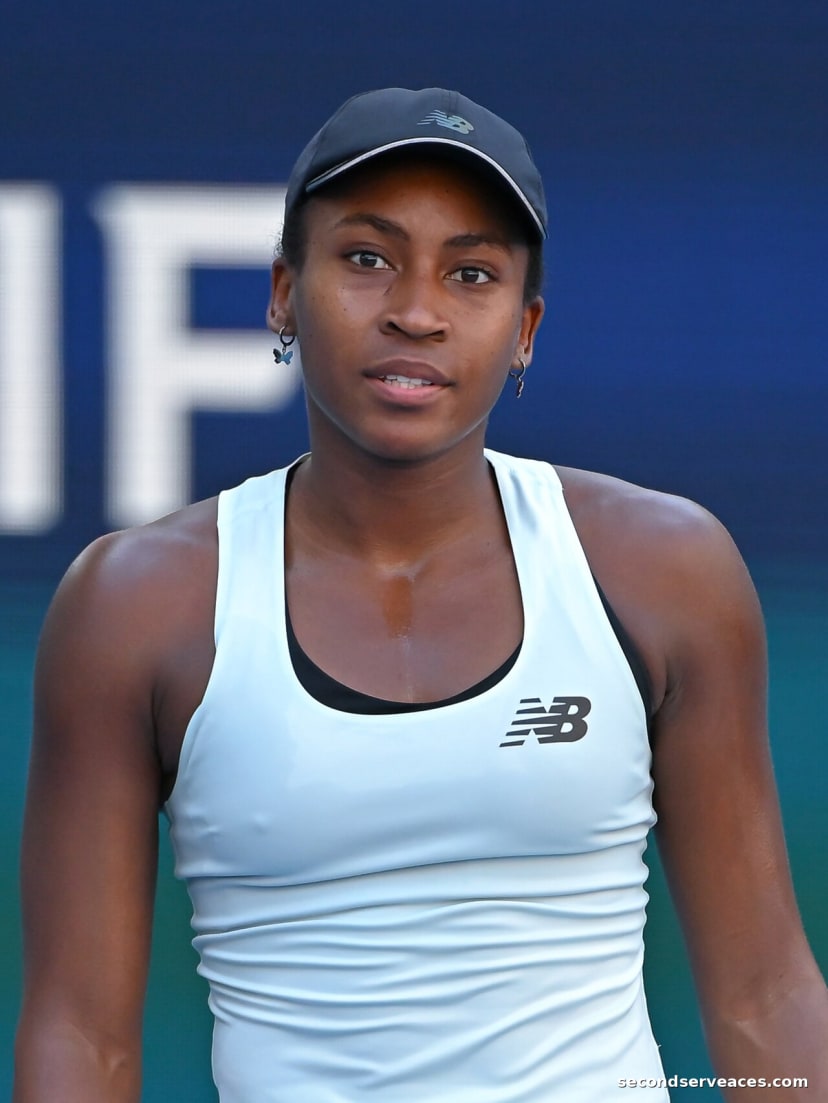
While Maja Chwalinska and Coco Gauff have not yet faced each other on the professional WTA Tour, a potential meeting on the hard courts of Flushing Meadows would present a fascinating study in contrasting philosophies. Gauff, the world number four, relies on her elite athletic frame and explosive baseline depth to overwhelm opponents with pure weight of shot.
In contrast, Chwalinska brings a rare left-handed variety, relying on heavy slice variations, drop shots, and clever angles to disrupt her opponent's rhythm. Her crafty style would serve as an intriguing counter to Gauff's kinetic movement and aggressive court positioning, offering tennis purists a classic matchup of raw power against tactical chess.
What Coco Gauff Plays With
Head Boom MP 2024
Head Lynx Tour 1.25
Head Prime Tour (12-Pack)
Analyze Maja Chwalinska vs. Coco Gauff
Predict tactical adjustments, momentum swings, and serve strategy options for this match-up using our AI simulator.
The Aces Tactical Panel
This report was curated and edited by Bhaskar Goel. Tactical analysis and technical insights were provided by our specialized panel of expert correspondents.
Julian Price
Senior Tactical Correspondent
Stuffy, pedantic British academic and historian specializing in match momentum and historical context.
Elena Cruz
Director of Analytical Research
Data scientist specializing in court surface physics and movement patterns.
Bhaskar
The Editor & Fan
Passionate tennis player and site editor bringing everyday amateur insights and relatable fan commentary.
Arthur Vance
Senior Existential Analyst
Deep, eccentric, and DFW-inspired. Models court metaphysics, kinetic beauty, and player psychology.
Leo Sterling
High-Performance Consultant
Hard-nosed ex-trainer from Melbourne with a no-nonsense view on tour fitness.
Related Reports
Quick Answers
What is the total prize money purse for the 2026 US Open?+
The total prize money purse for the 2026 US Open is a record-breaking $108 million.
How much do first-round main draw players earn at the 2026 US Open?+
First-round main draw participants receive $140,000, which is a 27% increase from the previous year.
What is the payout for the singles champions at the 2026 US Open?+
The men's and women's singles champions will each receive a payout of $5.5 million.